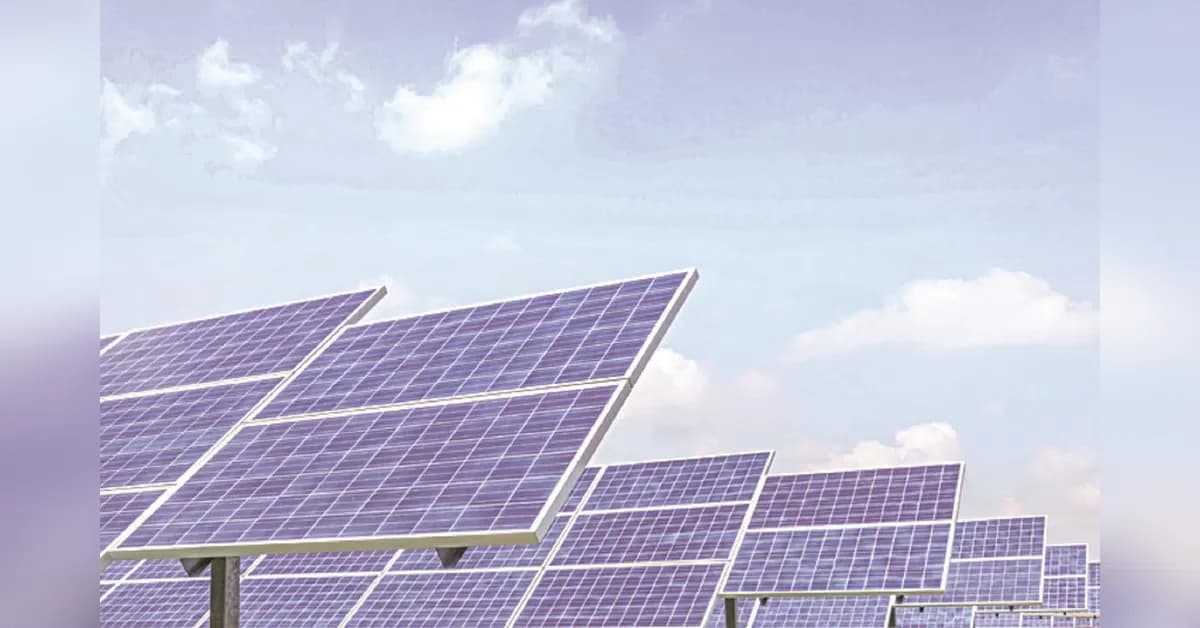
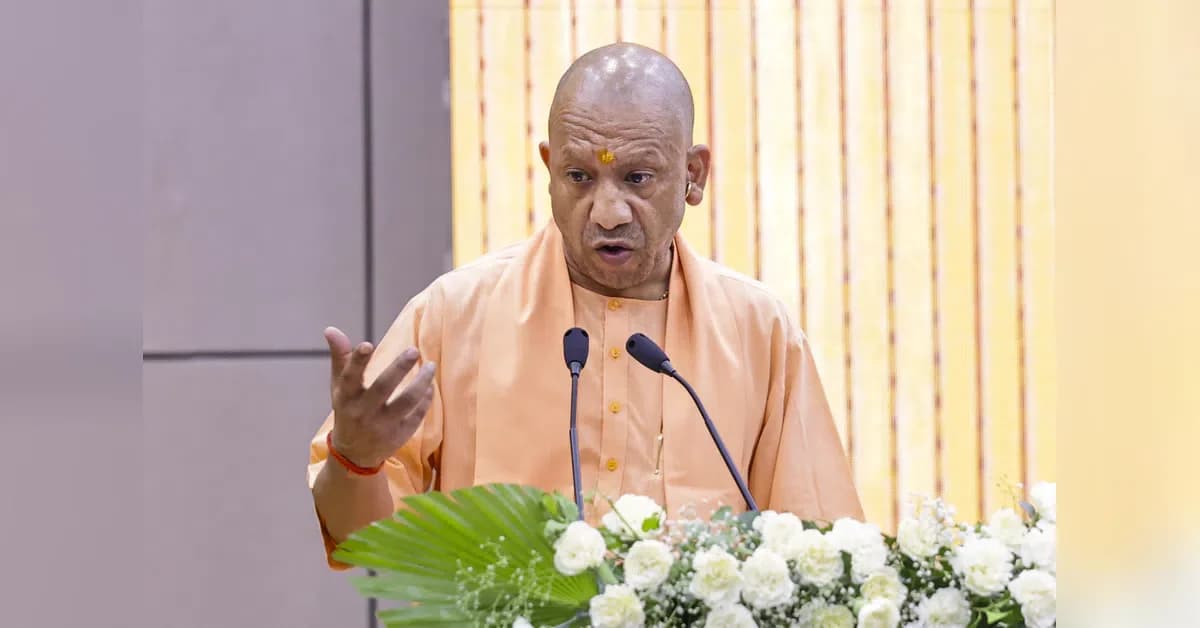
Uttar Pradesh has secured the second position nationally in rooftop solar installations under the PM Surya Ghar Muft Bijli Yojana, with 6,74,393 installations according to the latest national rankings. Gujarat leads with 7,49,839 installations, while Maharashtra follows with 6,73,717 installations. This achievement reflects the effective implementation of the scheme under the leadership of Chief Minister Yogi Adityanath, supported by continuous monitoring, inter-departmental coordination and mission-mode execution. The state government has streamlined the entire process—from consumer awareness and solar plant installation to facilitating bank loans, DISCOM inspections and timely subsidy disbursement.
The rapid expansion of domestic rooftop solar in Uttar Pradesh has created substantial employment opportunities across the state. As reported by UPNEDA director Ravinder Singh, around 2,283.8 megawatts (2.28 gigawatts) of solar power capacity has been installed, with lakhs of households generating clean energy from their rooftops. The scheme has provided free solar power worth around ₹6.5 crore every day to beneficiary families across the state, while surplus electricity generated is also being supplied back to the grid. Today, more than 7,000 companies and business establishments associated with the solar sector are active across the state, creating direct and indirect employment opportunities for over 85,000 people. New opportunities have emerged across installation, design, engineering, electrical work, logistics, sales, operations and maintenance, benefiting youth, engineers, electricians, entrepreneurs and MSMEs.
The rooftop solar capacity installed in Uttar Pradesh has helped avoid the need for an estimated 9,000 acres of land that would otherwise have been required for equivalent ground-mounted solar projects, preserving valuable land for agriculture, housing, industrial development and other productive uses. The installed capacity of approximately 2,283.8 MW is expected to generate nearly 3.8 billion units (kWh) of clean electricity annually. By replacing conventional fossil fuel-based power generation, it has the potential to prevent the emission of more than 27 lakh tonnes of carbon dioxide every year. This annual carbon emission reduction is equivalent to the amount of carbon absorbed by more than 12 crore mature trees in one year, making a significant contribution towards India's long-term net-zero goals.
The large-scale expansion of the PM Surya Ghar scheme has established a comprehensive solar economy ecosystem in Uttar Pradesh. According to the UPNEDA director, a comprehensive employment value chain has developed, ranging from solar panel installation to surveying, designing, engineering, electrical work, net metering, logistics, sales, marketing, and operations and maintenance. This has created new employment and self-employment opportunities for youth, technical professionals, electricians, engineers, local entrepreneurs and small businesses, particularly in solar manufacturing and supply chain segments. The growing demand for rooftop solar has also strengthened the state's solar manufacturing and supply chain ecosystem, with fresh investments made in solar module manufacturing, assembly lines and allied sectors including inverters, mounting structures, cables, metering equipment, warehousing and logistics.