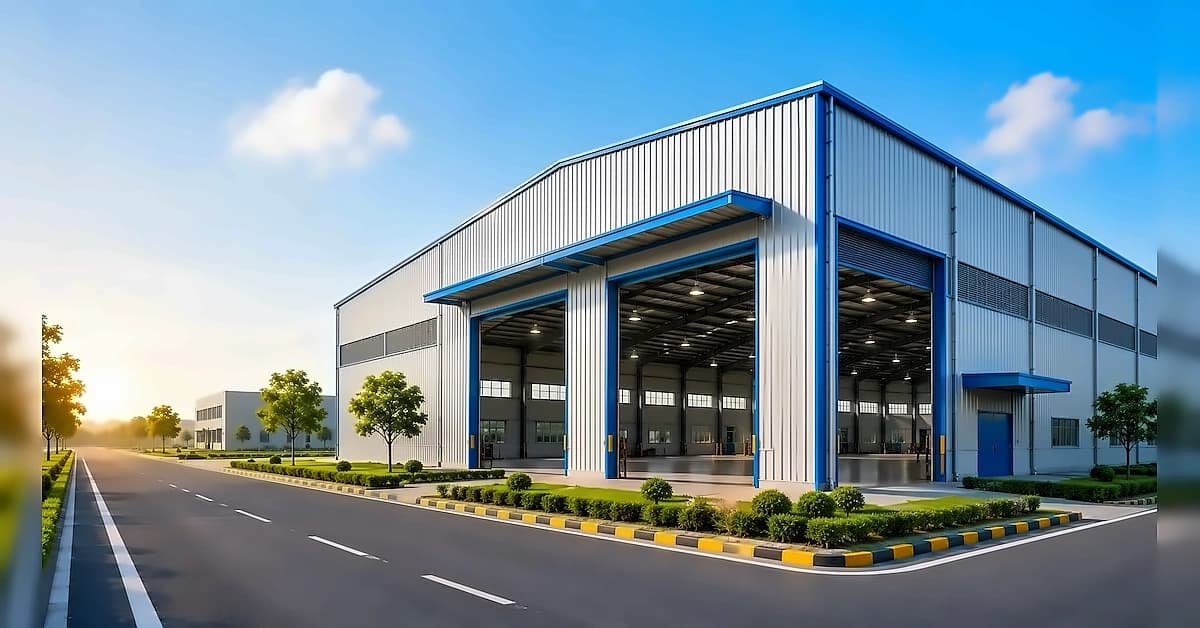
The Uttar Pradesh Multi-Modal Logistics Park Policy, 2024 was notified on December 18, 2024, establishing a specialized state framework for attracting large private investments in integrated freight and logistics infrastructure. According to the policy document from the Infrastructure and Industrial Development Department, the minimum eligible investment threshold is set at ₹1,000 crore, targeting developers of qualifying multi-modal logistics parks. The policy is administered by Invest UP as the nodal agency, with the main objective being to develop large integrated logistics hubs connecting two or more transport modes.
The policy offers substantial financial concessions to eligible developers, including a front-end land subsidy equal to 30% of the allotment cost of eligible government land. As reported by the policy document, other principal concessions include full stamp-duty exemption and exemption from internal development charges, subject to policy conditions. The land source is specified as land allotted or leased by an Industrial Development Authority or another state government agency, with the main incentive designed to attract large-scale integrated logistics infrastructure development.
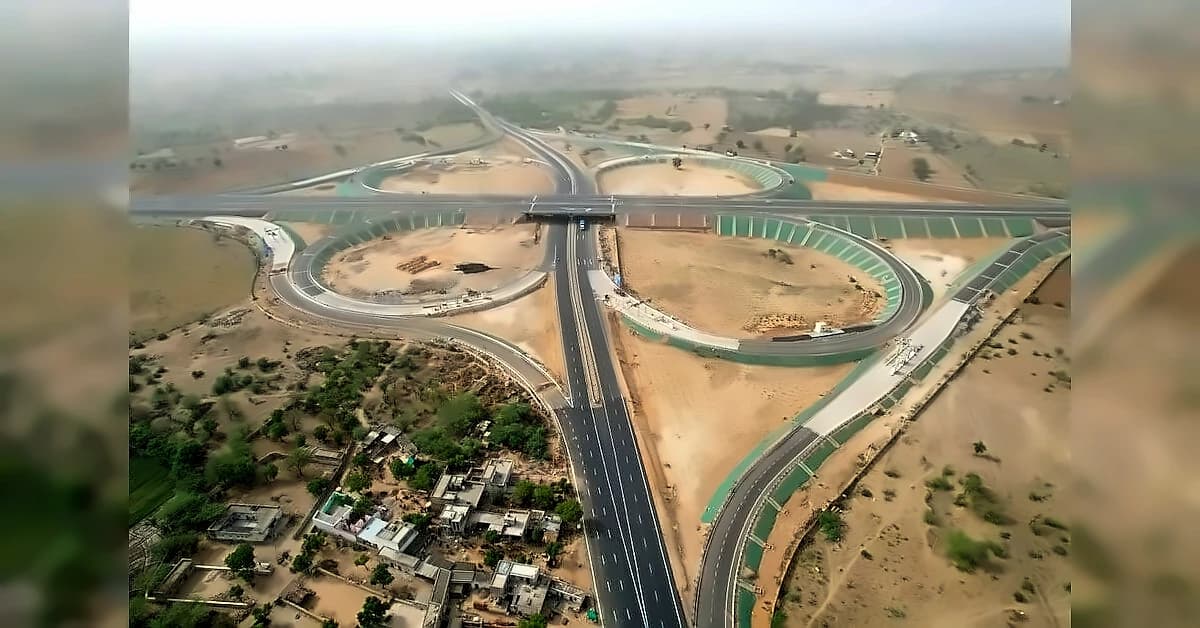
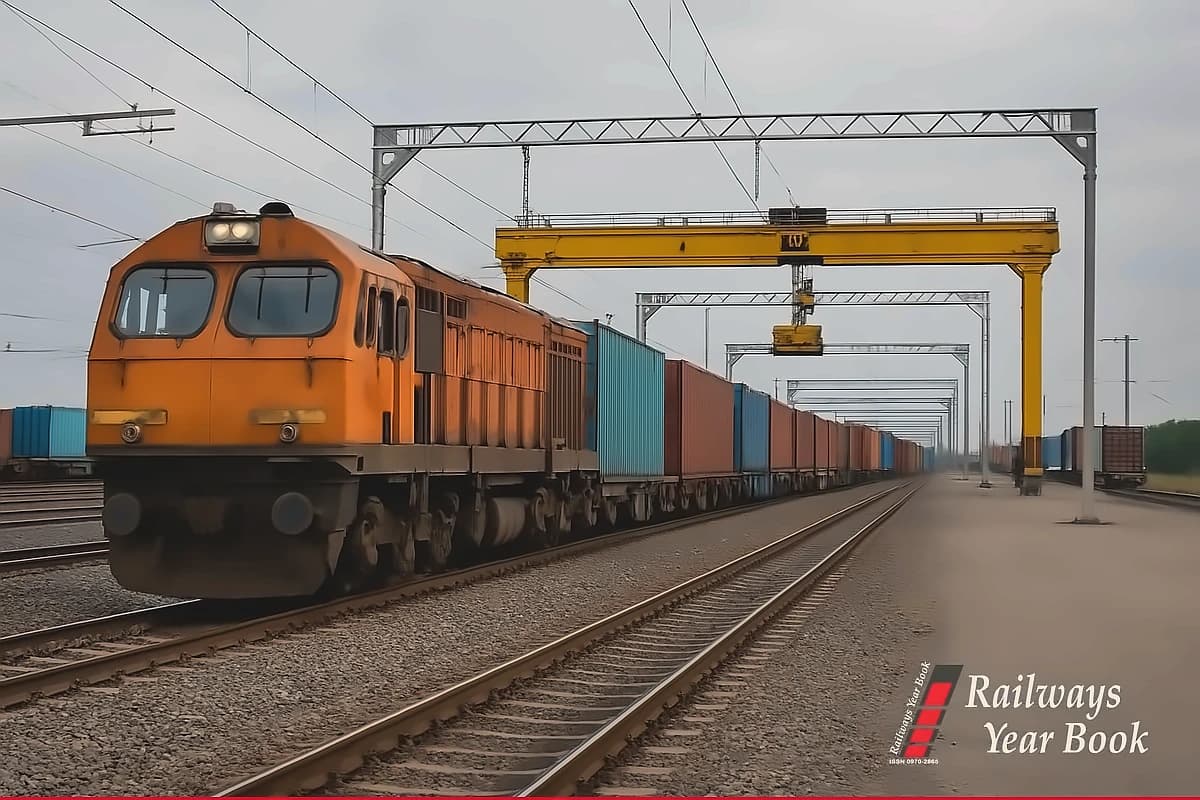
The policy mandates comprehensive multi-modal connectivity for approved projects, requiring road connectivity to national highways and expressways, rail sidings or connection with a railway freight terminal, links with an airport or air-cargo facility, access to an inland-waterway terminal, and container and bulk-cargo handling systems. According to the policy framework, these connectivity requirements ensure that approved parks can handle diverse cargo types and transportation modes, enhancing their commercial viability and operational flexibility.
The policy has already shown practical implementation with a 174.12-acre project in Greater Noida subsequently being taken forward under the framework. As reported by Invest UP, the policy is currently in implementation phase with active projects under development. The Greater Noida project represents the first major initiative under the new policy framework, demonstrating the state's commitment to attracting large-scale logistics infrastructure investments.
The policy outlines a structured four-step implementation process requiring developers to submit a Detailed Project Report (DPR) to Invest UP and secure land allotment. According to the policy guidelines, the process includes state review for the ₹1,000 crore investment threshold, multi-modal setup, finances, and tax exemptions, followed by formal agreement execution and construction milestone achievement. The framework establishes clear timelines and compliance requirements for project development and commercial operations.