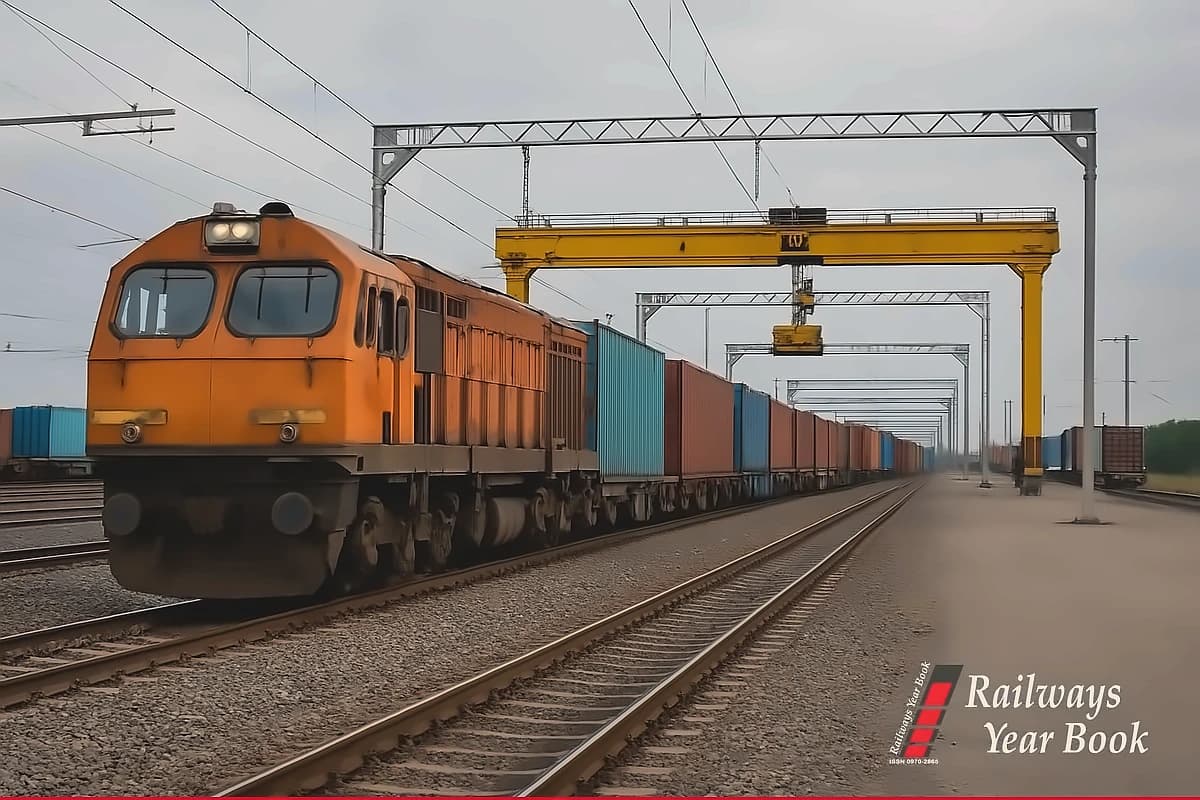
The Ministry of Railways has launched the Gati Shakti Multi-Modal Cargo Terminal (GCT) policy to encourage private investment in cargo terminal development. According to reports from Business Standard, the policy has successfully mobilized private investment of approximately ₹10,000 crore through these terminals. The initiative focuses on reducing logistics costs for key sectors including cement, steel, power, and agriculture through improved infrastructure connectivity. Union Minister for Railways Ashwini Vaishnaw confirmed this update during a Lok Sabha session on July 23, 2026.
As reported by Business Standard, 142 Gati Shakti Cargo Terminals (GCTs) have been commissioned with an estimated freight handling capacity of 224 million tonnes per annum (MTPA). The terminals handled 146 million tonnes of freight during 2025-26, demonstrating significant operational capacity. Additionally, In-Principle Approvals (IPAs) have been granted for the development of GCTs at 310 more locations, indicating substantial expansion potential. According to the latest Railways Year Book data, these terminals collectively offer enhanced freight operations by facilitating faster loading and unloading, reducing first and last-mile logistics costs, improving wagon turnaround times, and shifting freight traffic from road to rail.
According to the Ministry of Railways, the location of GCTs is determined through a comprehensive evaluation process. As reported by Business Standard, the decision factors include demand from industry, potential of cargo traffic, availability of railway infrastructure and overall logistics potential of the area. The policy has enabled the creation of warehousing, silos, cold storage, and other value-added logistics infrastructure by locating terminals closer to production and consumption centers. This modernization is improving competitiveness for industries and farmers alike, while also generating employment and fostering regional economic growth. In Andhra Pradesh's Palnadu district, a GCT at Tummalacheruvu was commissioned on January 31, 2023, handling 1.214 million tonnes of freight in 2025-26, with another terminal currently under construction.
The GCT policy is specifically designed to benefit multiple high-volume sectors including cement, steel, power, agriculture, foodgrains, fertilizers, coal, fly ash, minerals, containers, automobiles, and agricultural produce. According to Business Standard, these terminals are strategically positioned to reduce logistics costs and improve supply chain efficiency for these critical industries. The policy represents a significant infrastructure development initiative aimed at enhancing India's logistics capabilities across multiple sectors. Madhya Pradesh has five commissioned GCTs with 19 more locations approved in-principle, while Karnataka also has operational terminals along with several IPAs pending development. The terminals support efficient transportation of bulk cement, clinker, minerals, industrial goods, and other commodities, boosting regional economic development through improved rail connectivity.