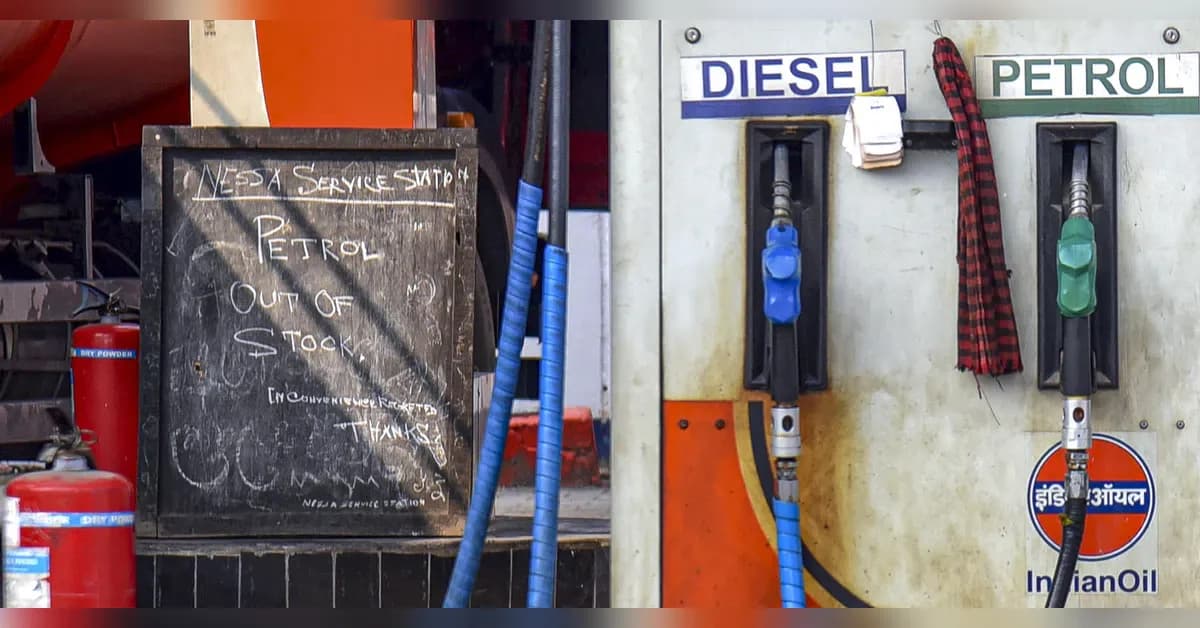
The ministry of petroleum and natural gas issued the Motor Spirit and High Speed Diesel (Temporary Regulation of Supply through Retail Outlets) Order, 2026 on 11 June, restricting bulk fuel purchases from retail outlets for periods of up to 90 days at a time. As reported by Mint, the order prohibits industrial, commercial and institutional users from buying petrol and diesel from petrol pumps, instead directing them to source requirements from bulk sale points. Retail fuel station dealers are limited to selling no more than 200 litres of diesel per customer or vehicle per day, with appropriate PESO-approved containers. The notification also introduces restrictions on diesel purchases at retail outlets, with diesel now only being dispensed directly into vehicle fuel tanks or Petroleum and Explosives Safety Organisation (PESO)-approved containers. According to the government, the decision was prompted by the current prevailing geopolitical situation affecting certain regions of the world that has disrupted international petroleum supply chains, shipping logistics and product availability. The order specifically states that buyers cannot resell the fuel, addressing the issue of commercial users exploiting price arbitrage between retail and bulk markets.
The restrictions are raising significant concerns among hospitals, IT campuses, data centres and industrial facilities that rely heavily on diesel generators for critical operations. Hospitals are among the most vulnerable, with large healthcare facilities typically maintaining multiple diesel generator sets capable of powering entire campuses during grid disruptions and often running them proactively during surgeries, intensive-care operations and other critical procedures where even momentary voltage fluctuations can pose risks to patients. As reported by PTI, an executive at a hospital chain noted that "Many hospitals do not depend exclusively on grid electricity for critical functions. Diesel generators are an integral part of operational planning because uninterrupted power is non-negotiable." Data centres, IT parks and telecom facilities also rely extensively on diesel-based backup systems to meet uptime commitments, with many facilities routinely topping up diesel inventories from nearby fuel stations to ensure uninterrupted operations. Industry officials explained that "Peak hour power tariffs in some states are higher than the cost of generating electricity using diesel gensets. And so many IT companies rely on diesel gensets to meet power demand during peak hours."
The price differential between retail and bulk fuel has created significant cost implications for telecom infrastructure providers and other commercial users. In Delhi, diesel is currently priced at ₹95.20 per litre at petrol pumps, while bulk diesel costs around ₹134.50 per litre. According to Mint, on 25 May, oil marketing companies increased retail prices of both petrol and diesel by over ₹2.50 per litre, marking a cumulative ₹7.5 per litre hike since 15 May. Industry estimates suggest these price hikes will increase costs for infrastructure providers by ₹750 crore annually. The government attributed the restrictions to abnormal increases in sales of petrol and diesel through retail outlets, particularly diesel, as bulk consumers increasingly shifted their purchases to petrol pumps to take advantage of lower retail prices. Diesel, which accounts for about 40% of India's fuel demand, is sold at market rates to industrial users at about ₹40 per litre more than retail prices, creating significant cost arbitrage opportunities for commercial users. The price differential emerged after state-owned oil companies moderated retail fuel rates to shield ordinary consumers from the surge in crude prices following the West Asia crisis in late February. In May, three state-owned firms IOC, BPCL, and HPCL saw a 4.8% jump in petrol sales and 6.4% surge in diesel.
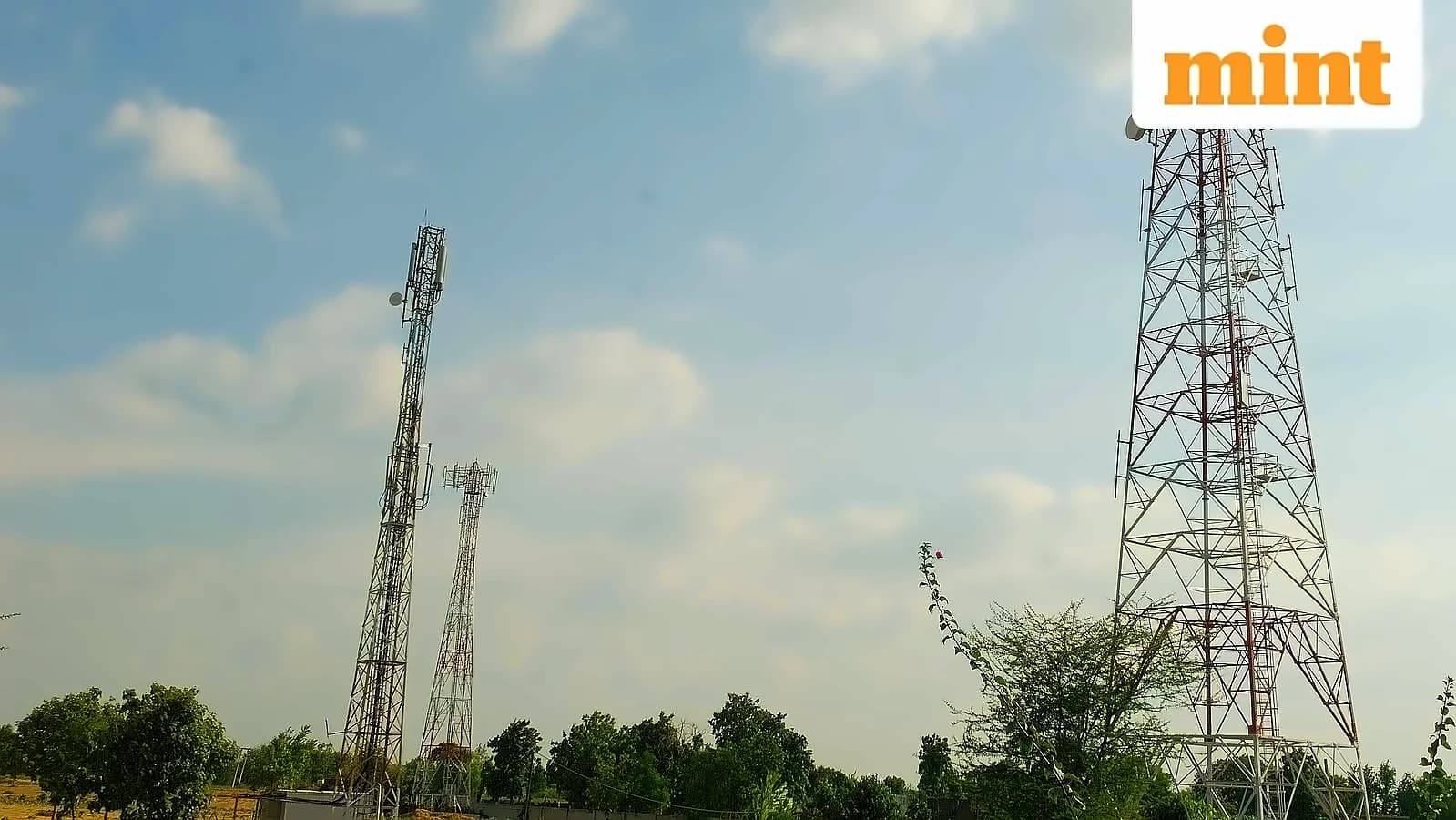
The restrictions have created significant operational challenges for telecom infrastructure providers, hospitals, and other commercial users who rely on diesel generators to maintain operations during power cuts. Tower companies purchase diesel at retail prices and pass fuel and power expenses to telecom operators, making any disruption in diesel supply directly affect DG operations and potentially lead to outages impacting voice and data services. Industry executives warned that the restrictions could disrupt fuel procurement for sectors where diesel generators remain critical to operations, with organisations with established bulk fuel contracts likely to face limited disruption while institutions dependent on flexible retail purchases may need to rapidly overhaul procurement practices. The government has retained the power to grant exemptions through special orders for specific consumers, sectors, geographical areas or categories of transactions, with officials warning that violations would attract action under the Essential Commodities Act. Under the new framework, bulk consumers including telecom towers, industries using diesel for power generation, and firms relying on diesel as feedstock continue to pay market-linked prices, unlike retail consumers who benefit from moderated rates. According to PTI, these curbs could also hike operating costs for some industrial and commercial consumers, as during periods of peak electricity demand, power bought from the grid can become significantly more costly than captive diesel generation, prompting facilities to switch part of their load to generator sets.