The government has imposed restrictions on institutional and commercial customers from purchasing motor spirit and high-speed diesel at retail fuel stations after bulk users diverted as much as 3.50 lakh tonnes of diesel sales to retail outlets in May 2026. According to Sujata Sharma, Joint Secretary in the Oil Ministry, this shift led to "panic buying and unusually high sales" at fuel bunks serving common consumers. The crisis was so severe that more than 10 per cent of the total districts in India (80 districts) witnessed over 30 per cent diesel sales of industrial, commercial and bulk users shifting to retail outlets last month. Almost 42 per cent districts (327) saw sales rising over 10 per cent in May 2026 compared to last year, with around 42 crore litres of diesel sales shifting from bulk to retail fuel dispensing stations. The government responded by mandating that retail fuel outlets can sell up to 200 litres of diesel per person per day through a notification issued on June 11, 2026.
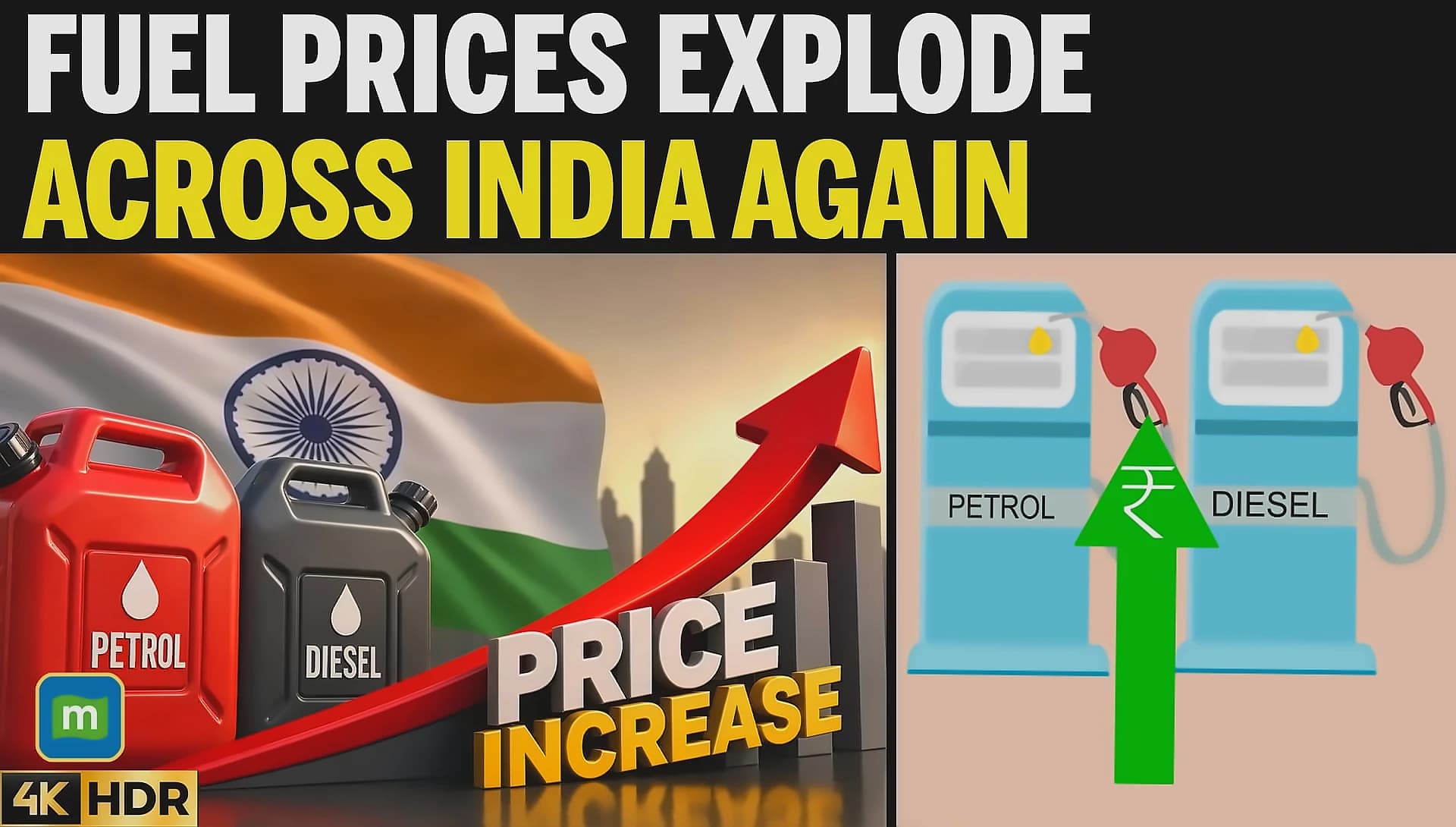
The primary driver behind the diversion is the significant price differential between retail and bulk diesel. As per the Ministry, bulk diesel sales accounted for 12.6 per cent of the total direct diesel sales in May 2025, but this share has come down to 8.3 per cent in May 2026. In Delhi, diesel is priced at ₹95.20 a litre at retail pumps, while bulk diesel sales are priced at ₹134.50 a litre, creating a ₹40-42 per litre price gap that incentivizes bulk users to shift to retail outlets. Private OMC sales exhibited a decline of around 58 per cent in HSD sales during May 2026 due to higher prices fixed by them. The ministry noted that large industrial, institutional and commercial consumers have increasingly shifted purchases from dedicated consumer pumps to retail outlets to take advantage of this nearly ₹40-per-litre gap.
The Federation of Indian Micro and Small & Medium Enterprises (FISME) is set to approach the government highlighting operational difficulties that micro and small units are likely to face in running their diesel generator (DG) sets under the new restrictions. Ajay Saboo, managing director of Kajay Remedies Pvt Ltd and an executive committee member of FISME, pointed out that the order leaves MSMEs with no viable channel to procure high-speed diesel (HSD) for their DG sets. Most micro and small units operate DG sets ranging from 50 KVA to 250 KVA, which come with integrated HSD tanks of only 100-250 litres capacity. These units neither have their own consumer pumps nor licences from the Petroleum and Explosives Safety Organisation (PESO) to store HSD, creating significant operational challenges for essential backup power operations.
The government has significantly ramped up enforcement measures to address the crisis. Since March, 1,330 FIRs have been registered in LPG cases with 311 arrests and 75,960 cylinders seized. For petrol and diesel, 12,303 litres of petrol and 91,263 litres of diesel were seized since May 27, with 50 FIRs and 49 arrests. The restrictions are implemented for an initial period of up to 90 days, with the government reserving the right to extend them through fresh orders. Under the new framework, retail outlet dealers will be permitted to dispense high-speed diesel only into vehicle fuel tanks or PESO-approved containers, with the move specifically aimed at preventing bulk diversion of subsidised or price-controlled fuel away from its intended end-users - individual consumers - toward commercial and institutional buyers who are expected to procure through dedicated channels. However, dealers have raised concerns about unclear operational definitions - whether the 200-litre cap applies per vehicle, per customer, per transaction or per retail outlet daily.
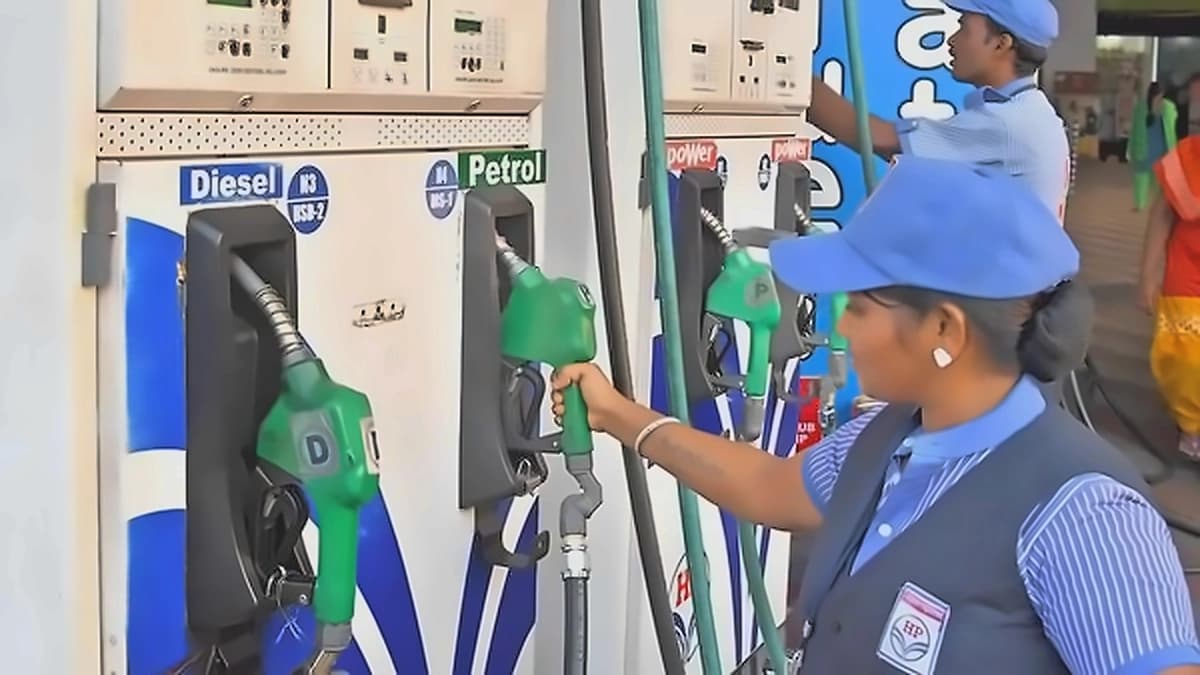
Shares of oil marketing companies including Bharat Petroleum Corporation Ltd., Hindustan Petroleum Corporation Ltd. and Indian Oil Corporation Ltd. could be in focus following the development of these fuel sales restrictions. The restrictions are expected to impact the operations of these state-owned oil marketing companies, which will now have to manage the transition from bulk sales to dedicated commercial channels while ensuring compliance with the new regulatory framework. The order will remain in force for up to 90 days initially, with the provision for extension through fresh government notification if required. To protect retail consumers amid the ongoing West Asia disruption, the OMCs are absorbing losses of around ₹500 crore per day on sale of petrol, diesel and domestic liquefied petroleum gas (LPG). The government maintains that fuel stocks are adequate and the measures are temporary safeguards against diversion and local shortages, though farmer groups are likely to seek exemptions or relaxed norms as sowing gathers pace.