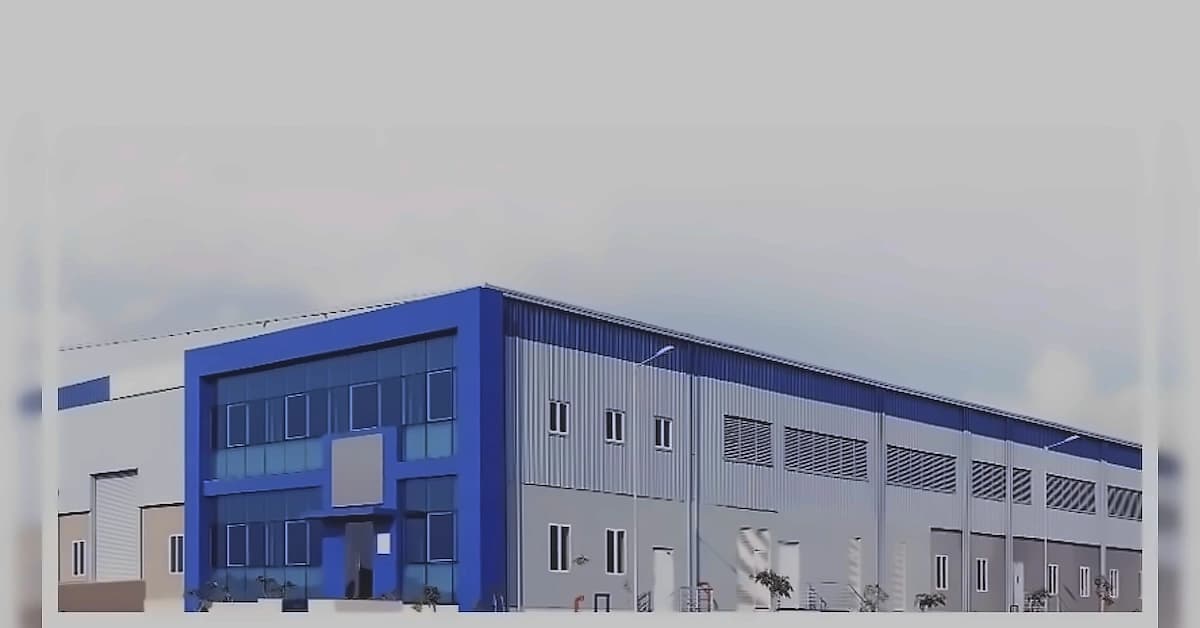
The Rajasthan State Industrial Development and Investment Corporation (RIICO) has invited applications for developing industrial parks under Models A and D of the Industrial Park Promotion Policy-2026. According to reports from Business Standard, these parks will be developed through private developers across 645 hectares at nine locations in the state. The policy, launched in March 2026, allows private-sector industrial parks to be developed through four distinct models, with the initiative aimed at positioning Rajasthan as a reliable and future-ready industrial destination.
Under the policy framework, Model A enables entire project development by private developers on RIICO-allocated land, while Model B requires developers to arrange 80% of required land with RIICO providing the remaining 20% at prescribed rates. Model C allows developers to arrange the entire land parcel, and Model D follows the public-private partnership (PPP) framework. As reported by Business Standard, the policy mandates a minimum land area of 50 acres and establishment of at least 10 industrial units for private-sector industrial parks.
According to RIICO Managing Director Suresh Ola, Model A parks will be developed on more than 374 hectares of RIICO land. The identified sites include 58 hectares in Weatherlai village (Balotra), 38 hectares in Bijoli village (Dholpur), 23 hectares in Narbadiya village (Chittorgarh), 21 hectares in Kodia village (Bhilwara), and 135 hectares across Rajaheda, Gudha Ashikpura and Noorpur villages (Dausa). Additional sites include 27 hectares in Mayeja village (Bundi) and 72 hectares in Bhakri Molas village (Didwana-Kuchaman).
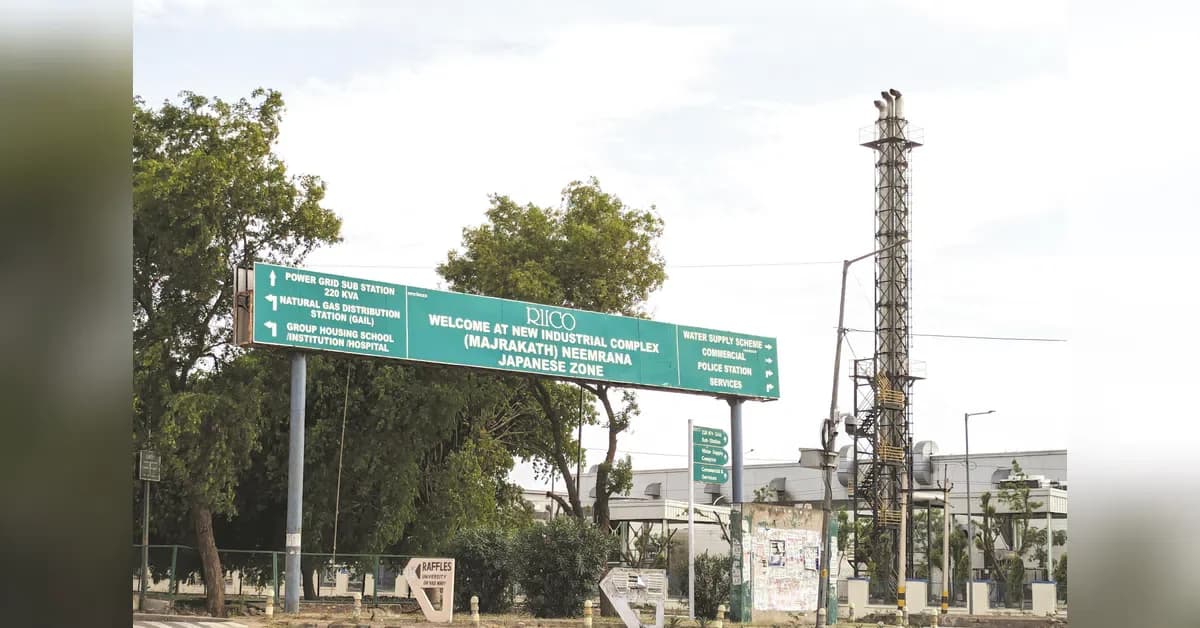
Under Model D, industrial parks will be developed on 271 hectares through the PPP route. As reported by Business Standard, this includes approximately 107 hectares in Kanaikalan village (Ajmer) and 164 hectares across Kotwalon ka Bas, Nangal Jhamarwada, Raltavata and Sudhrampada villages in Dausa district. The policy aims to develop world-class industrial parks while ensuring scientific and sustainable use of land, water and energy resources, along with robust logistics infrastructure.