Union Railway Minister Ashwini Vaishnaw unveiled eight key reforms on Tuesday as part of the Indian Railways' flagship "52 Reforms in 52 Weeks" initiative. According to reports from UNI, these reforms focus on improving project execution, encouraging private sector innovation in freight transportation, and making logistics more efficient. The minister addressed a press briefing outlining these comprehensive changes to the railway sector, marking a significant push to modernise Indian Railways through streamlined processes and enhanced operational efficiency. As per Swarajya, these reforms are part of the ministry's broader roadmap to introduce 52 reforms during the current year, with the latest developments covering reforms from Reform Number 10 to Reform Number 17.
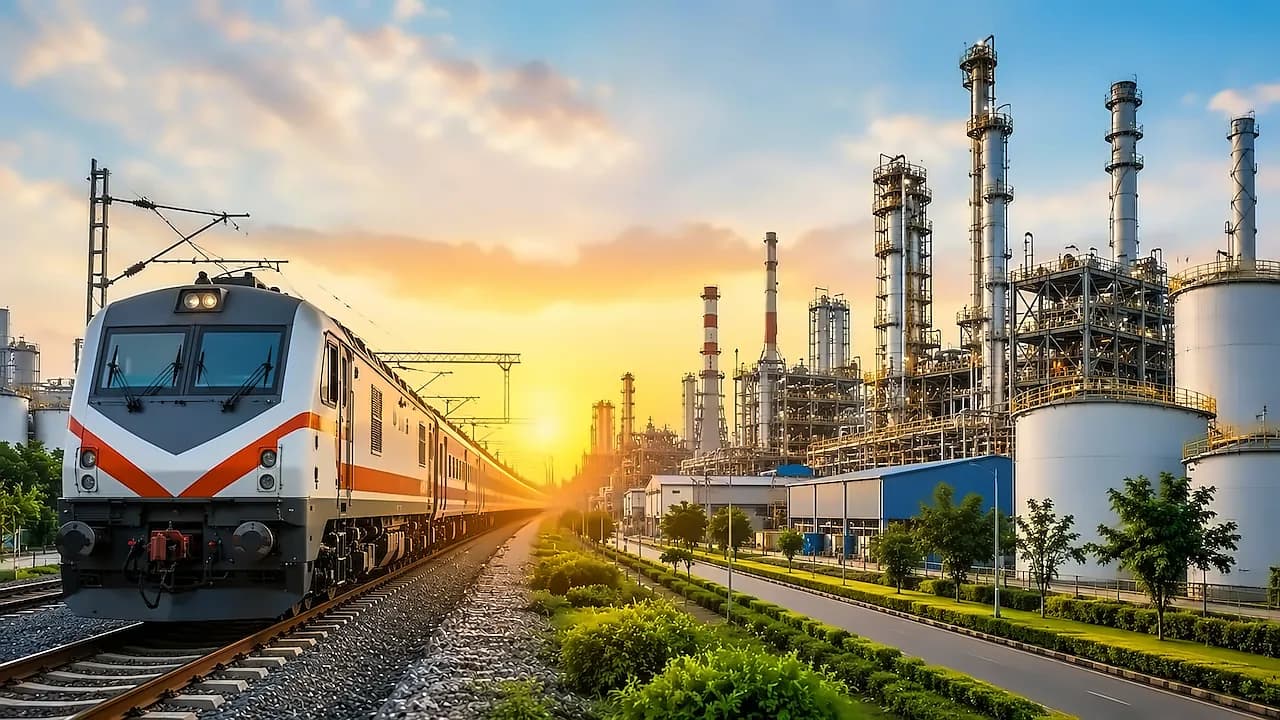
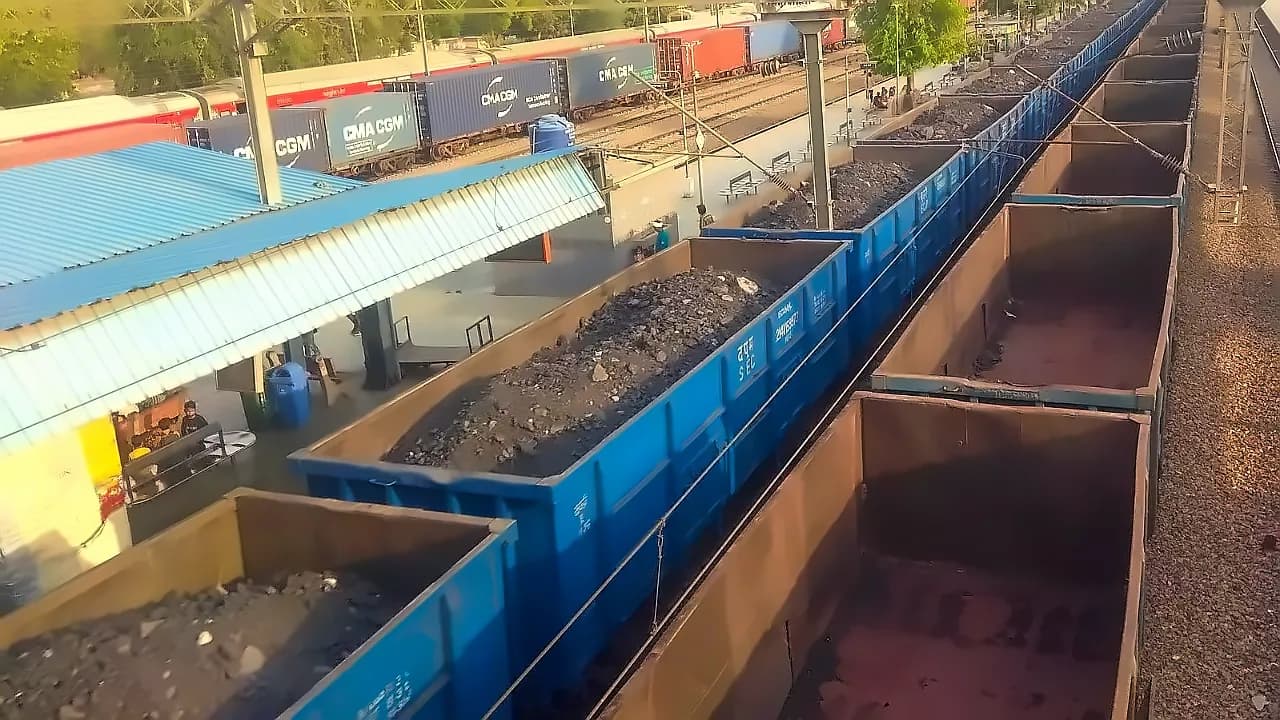
The Railways have introduced a revolutionary reform for fly ash transportation, addressing a critical environmental challenge. As reported by UNI, fly ash is generated by thermal power plants with an annual production of around 340 million tonnes, with the largest share of 96 million tonnes used in the cement industry. The existing system of transporting fly ash in open wagons creates significant pollution problems, as the fine material generates dust during loading and escapes when trains run at around 100 kmph, creating pollution throughout the route. The new reform introduces container-based transportation of fly ash, with special containers designed to be closed, preventing pollution during transportation and unloading while improving operational efficiency. According to UNI, the Railway Minister explained that "The container is closed. Fly ash will not pollute if transported by container," solving the long-standing challenge in rail transportation. The ministry estimates that only 13 million metric tonnes, or about 4% of total generation, are currently transported by rail, indicating significant untapped potential for container-based transportation.
The reforms significantly expand container-based transportation across multiple sectors. According to UNI, the Ministry of Railways has announced reforms for transporting petroleum products, fertilisers and agricultural produce through containers to improve handling, reduce contamination and lower logistics costs. The existing freight structure has been simplified from approximately 50 slabs to a per tonne, per kilometre pricing model. As reported by Swarajya, Indian Railways will promote container-based transportation of fly ash, petroleum products, fertilisers and agricultural commodities to improve cargo handling, minimise contamination and reduce logistics costs. The reforms specifically target the fertilizer transportation segment, where Indian Railways accounts for nearly 85% of the market. The new container-based system will make handling easier through equipment such as reach stacker cranes, further enhancing operational efficiency.
The government announced sweeping changes to construction contracts under the 14th reform, as reported by UNI. Contractors will now furnish 10% performance security at the start of a project, with no further deductions from running bills. Eligibility norms have been tightened, restricting participation to companies whose pending litigation does not exceed 50% of their net worth. The reforms also mandate Contractor's All Risk Insurance and Professional Indemnity Insurance, while revising land handover norms to facilitate smoother project implementation. According to UNI, Vaishnaw explained that "The more serious people will participate in the work of the railway," adding that the reforms are intended to improve construction quality while discouraging contractors focused primarily on arbitration and litigation.
In a significant shift from the previous system, the government has opened railway wagon design to industries through a new Wagon Design Policy announced on July 14. According to Metro Rail News, the Railway Wagon Design Policy had limited scope for innovation as wagon design was only conducted by the Research Designs and Standards Organisation (RDSO). Earlier, there were restrictions on components like Coupler, Bogie, and Air Brake System, with only designs approved by the Indian Railway Standard (IRS) being permitted. "Now, industries can do their own design for Wagon. For example, if the stream industry or milk industry want to make a special wagon, this will now be possible," the minister stated. The new policy introduces five stages for introducing new designs: conceptualization and submission to RDSO, in-principle approval, detailed designing and parallel manufacturing of prototype wagons, static and dynamic testing followed by rakes testing by RDSO, and final inspection by CCRS and first sanction of the Railway Board for introduction. This policy change is expected to spur innovation and accelerate the development of specialised freight solutions tailored to specific industry requirements.
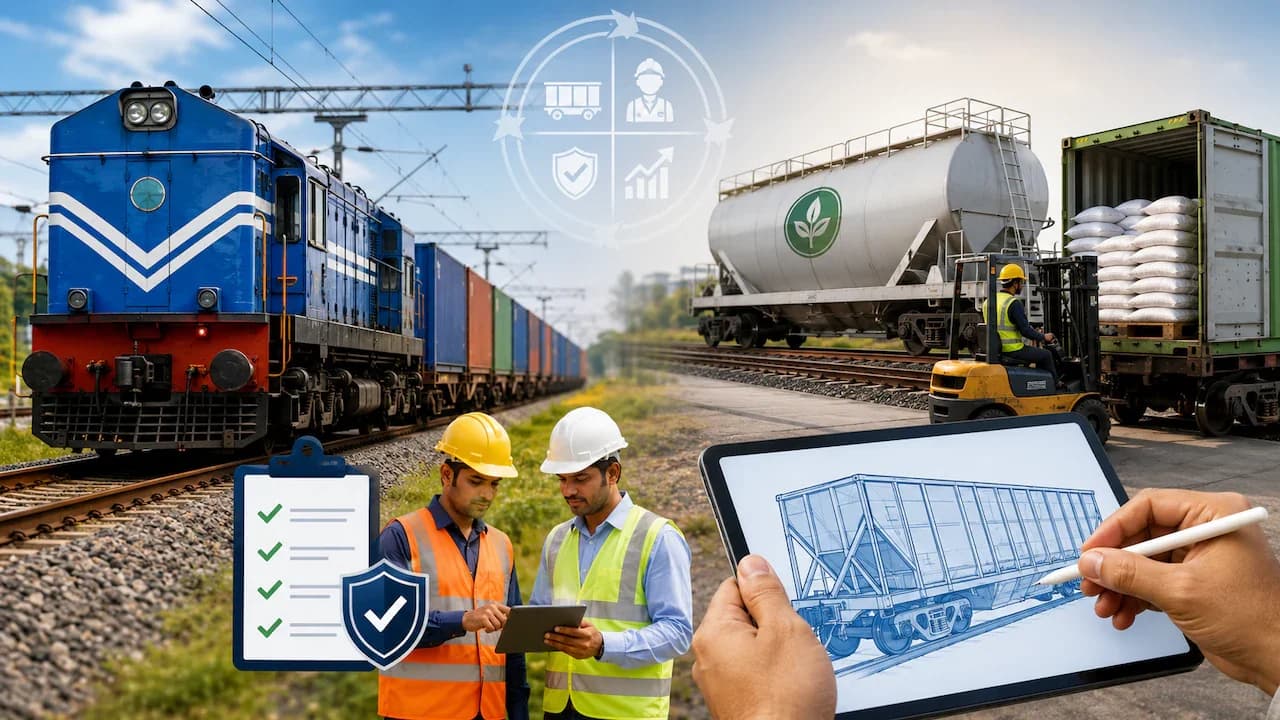
The minister announced that new wagon designs will be tested for 6 months along a distance of 50,000 kilometers. As reported by Metro Rail News, the evaluation will be based on Schedule of Design (SOD) and afterwards trials and safety certification will be conducted. "Finally, this new wagon design could be introduced after this," the minister informed. This comprehensive testing and certification process ensures that only safe and reliable designs are introduced to the railway network, while maintaining the high safety standards expected of Indian Railways. The testing framework provides a structured approach to evaluate new wagon designs before they are deployed on the railway network.
The reform package introduces the Rail Bhoomi portal, which is expected to reduce land acquisition timelines by 30-40%, depending on the state. According to UNI, the Rail Bhoomi portal is a web-based platform developed by CRIS for managing the complete process of land acquisition, enabling online processing of major land acquisition stages. The reforms also include a skill certification framework for railway projects to ensure workers in critical trades such as welding, plumbing, masonry and concrete testing are properly trained. As reported by UNI, the minister noted that "This project can be implemented across all projects in a maximum of 24 months," while stressing the need for a skilled workforce to support India's large-scale infrastructure expansion. The container train operations reforms further simplify regulations through a single nationwide licence, a uniform registration fee of ₹25 crore and the removal of renewal charges after 20 years of successful operations.