The government has announced the launch of a new incentive scheme to boost domestic processing of lithium and nickel, two critical minerals essential for the battery manufacturing ecosystem. Mines Secretary Keshav Chandra confirmed at the 60th Annual General Meeting of the Federation of Indian Mineral Industries (FIMI) that "Very soon, we will be launching our scheme for lithium and nickel." According to Zee News, further details of the scheme will be announced after required approvals are received. This announcement complements the ₹34,000 crore allocation for critical mineral development that Union Minister of Coal and Mines G Kishan Reddy had announced earlier, demonstrating the government's comprehensive approach to securing domestic supply chains for critical minerals.
The government has identified four states for critical mineral processing plants: Andhra Pradesh, Odisha, Gujarat, and Maharashtra. As reported by Zee News, Gujarat and Andhra Pradesh are focusing on rare earth processing, while Odisha and Maharashtra are concentrating on nickel and lithium respectively. Mines Secretary Chandra emphasized that "All of them are doing a fantastic job. Within a short period, they have identified the sources of minerals, the manner in which they will be processed and the downstream industries that can be developed." Gujarat already has availability of heavy rare earth elements and has developed the beneficiation and processing technology, while Andhra Pradesh has been identified for developing a rare earth corridor. Odisha's nickel reserves and east India location make it ideal for processing imported nickel from Indonesia and other countries where the mineral is abundant.
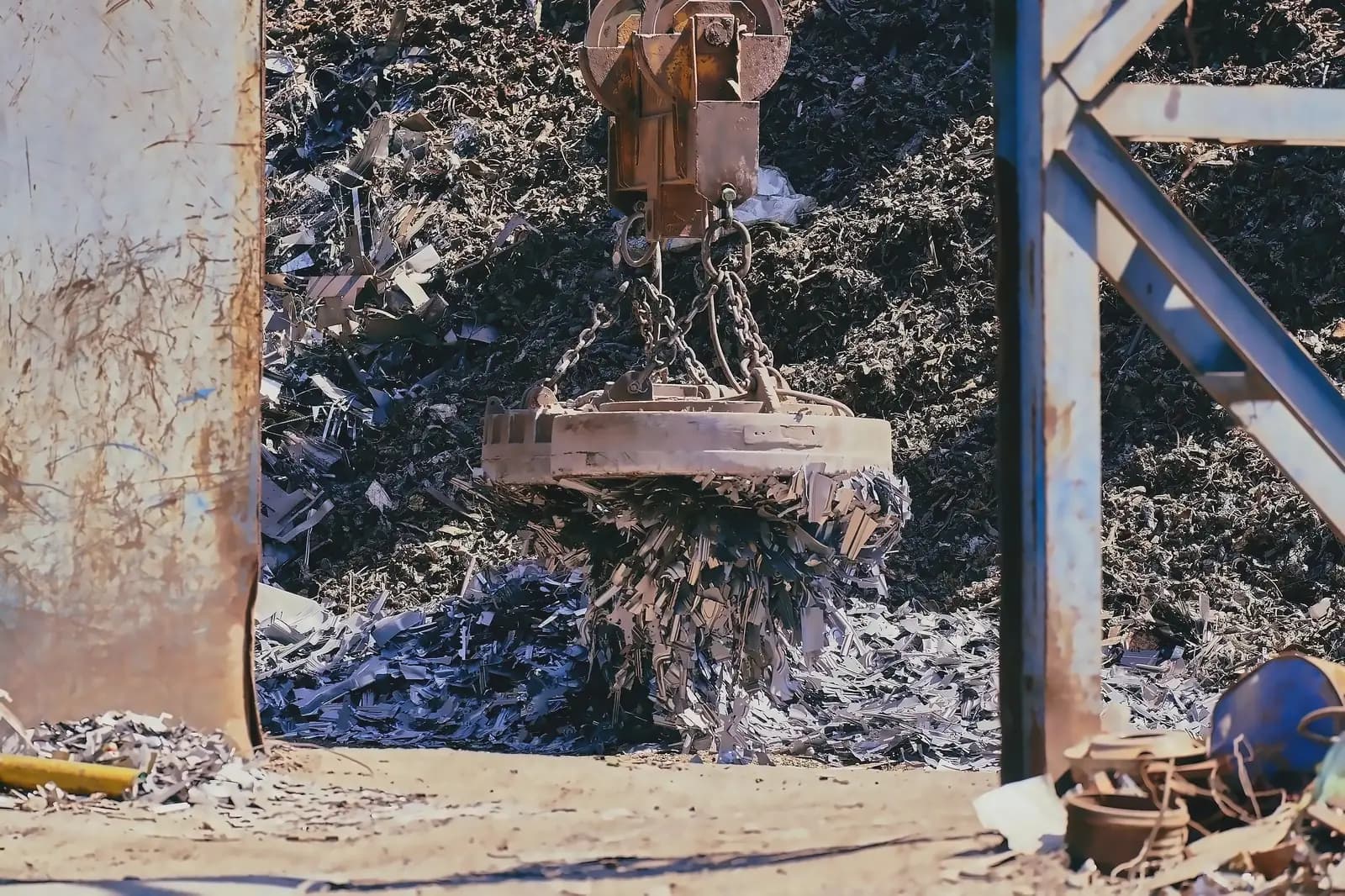
The recycling industry has argued that the PSIC regime has disrupted scrap imports and affected the operations of recyclers and manufacturers. As reported by Business Standard, PSIC is generated by Pre-Shipment Inspection Agencies (PSIAs), which are inspection bodies formally registered and approved by India's Directorate General of Foreign Trade (DGFT). Their primary role is to visually check and test imported goods, which most commonly include metallic waste and scrap, at the port of loading before they are shipped to India. MRAI President Sanjay Mehta emphasized that "The industry is not asking for less inspection. We are asking for a stronger, smarter and more secure inspection system that is capable of handling the scale of India's scrap imports."
MRAI Senior Vice-President Dhawal Shah revealed that about 2,500 scrap containers are handled daily, with overseas inspection and documentation costs amounting to about $200 per container. According to the association's estimates reported by Business Standard, shifting verification to ports in India could save about $500,000 in foreign exchange outgo every day, apart from reducing delays and logistics costs. The industry proposes allowing scrap imports through designated Indian ports with scanning and inspection facilities.
The recycling industry seeks its abolition and replacement with an India-based, technology-driven inspection mechanism at designated ports equipped with scanning and inspection infrastructure. As reported by Business Standard, MRAI president Sanjay Mehta stated that when India already has the infrastructure to scan and verify consignments at its ports, there is a strong case for undertaking verification within the country rather than depending entirely on an overseas system. The association proposes allowing other ports to join the system after installing the required infrastructure. The government has also proposed establishing Centres of Excellence across major institutions to support research into mineral recovery and processing technologies.
Beyond PSIC abolition, MRAI has sought comprehensive policy reforms including the removal of the 2.5% Basic Customs Duty (BCD) on aluminium scrap and cupro-nickel alloy scrap, rationalization of Goods and Services Tax on metal scrap, zero-duty provisions for recyclable raw materials under upcoming Free Trade Agreements, and formal Industry Status for the recycling sector to improve credit access. The association argues that the existing framework of relying on overseas agencies has created procedural bottlenecks, with the industry seeking a more secure and scalable inspection system within India's own infrastructure.