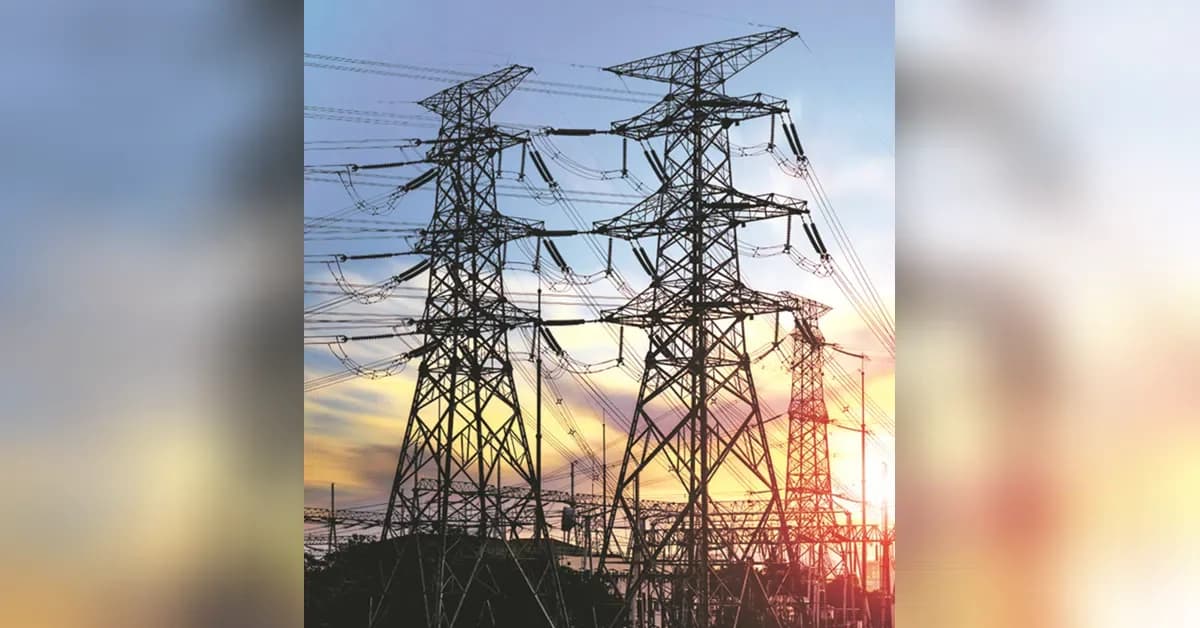
India achieved a historic milestone in power consumption during May 2026, with peak power demand reaching an all-time high of 271 GW on May 21, according to official data reported by PTI. This represents an 18% jump over the 245 GW peak recorded in FY26 and is significantly higher than what could have been estimated using the demand growth rate of 5% CAGR observed during FY21 to FY26. The country's total power consumption grew to 164.98 billion units (BU) in May 2026, compared to 147.89 BU in the same period last year. The latest milestone comes after peak demand had reached a then-record 256.11 GW on April 25, indicating an early surge in electricity requirement ahead of the peak summer period.
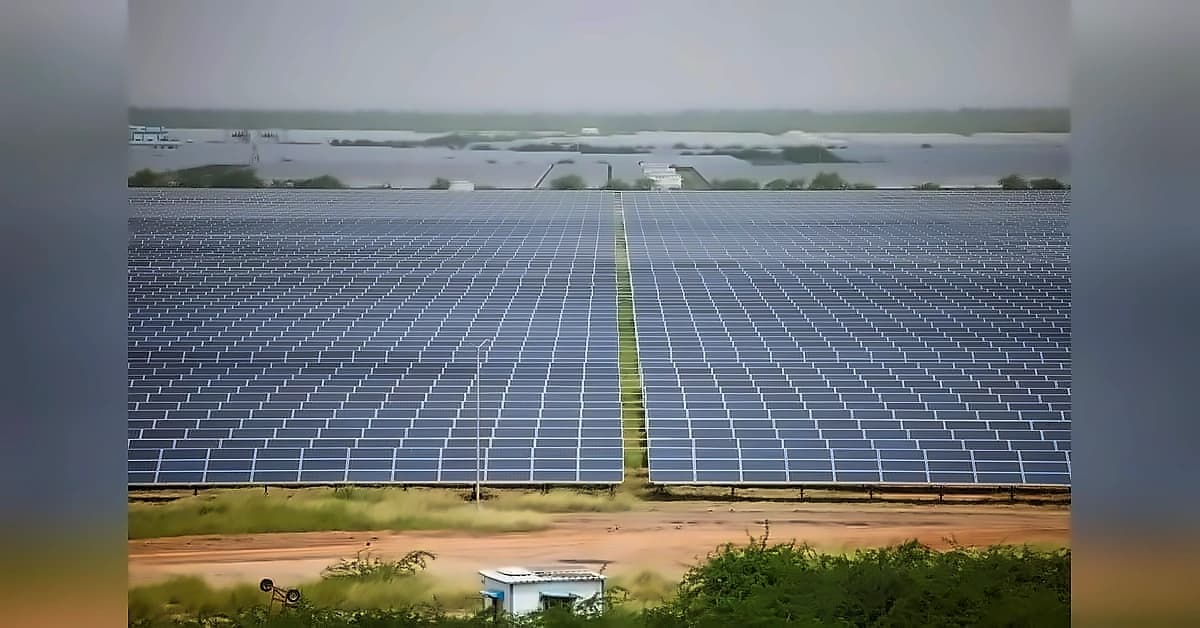
At first glance, India's record electricity demand this summer appeared to signal a renewable energy success story. On April 25, when peak demand touched 256 GW, renewables met nearly 30% of the requirement, including solar at 22%, according to Grid India data. Similarly, on May 21, India's electricity demand climbed further to a record 270.8 GW, with daytime shortages remaining negligible. However, the strain emerged after sunset, with the grid recording a power shortfall of 4.2 GW at 10.39 pm on April 25 and a sharp rise in shortages to 2.5 GW at 10.45 pm on May 21. As reported by Business Standard, the system is becoming increasingly capable of handling daytime demand with solar power, but it is struggling during evening peak hours when solar generation collapses.
India's manufacturing sector demonstrated robust performance in May 2026, with the HSBC India Manufacturing PMI rising to 55.0 from 54.7 in April, according to the latest survey data. This marks the strongest improvement in operating conditions since February, with manufacturers recording the fastest growth in output and new orders in three months. The upturn was attributed to demand strength, infrastructure projects and fresh business gains, as reported by PTI. Domestic demand remained the primary growth driver, while export orders continued to rise but at a slower pace. However, higher costs linked to the Middle East conflict continued to weigh on manufacturers, with firms engaging in precautionary stockpiling activities.
As electricity demand continues to grow, the Power Ministry has initiated comprehensive planning to ensure grid stability and infrastructure readiness. A recent meeting in Chandigarh focused on transmission planning, storage systems, grid resilience and renewable energy integration to address the growing demand challenges. However, experts point out that India's power grid has been successful in managing the rising peak demand so far, but sharp increases continue to test the grid's capabilities, especially during non-solar hours. According to Deloitte India, demand from cooling, which starts from noon and does not come down till the wee hours, has put grid planning in a knot. The grid faces particular challenges when solar power, which contributed 80 GW (approximately 22% of total electricity) during peak hours, disappears as the sun goes down, forcing the grid to scale up conventional sources. Additionally, inter-regional transfer capacity currently stands at around 120 GW, while CEA's National Electricity Plan projected a requirement of 143 GW by the end of FY27.
The record peak power demand signals a structural shift in India's electricity consumption rather than a temporary weather-related spike, reflecting the combined impact of rising temperatures, increased air-conditioning usage, economic growth, urbanisation and growing electrification across sectors. According to Crisil, power demand is estimated to rise 5.5-6.5% year-on-year in FY27 to 1,815-1,825 billion units, driven by expected El Nino conditions in July that will increase temperatures and reduce rainfall. The Central Electricity Authority's Long-Term National Resource Adequacy Plan projects peak demand to continue its upward trajectory at a CAGR of 5.58% during 2024-25 through 2035-36, and is anticipated to reach 459 GW by 2035-36. However, as Business Standard reports, India still lacks enough battery and pumped hydro storage capacity to shift large volumes of daytime renewable energy into evening hours, with the country requiring over 411.4 GWh of battery energy storage capacity by 2031-32 to integrate solar and wind capacity. Industry executives emphasize that India successfully meeting a peak power demand of over 270 GW without disruption marks a defining moment for the country's power sector, but maintaining grid reliability will require stronger forecasting, adequate reserve margins, enhanced transmission networks, energy storage deployment and demand-side management measures.