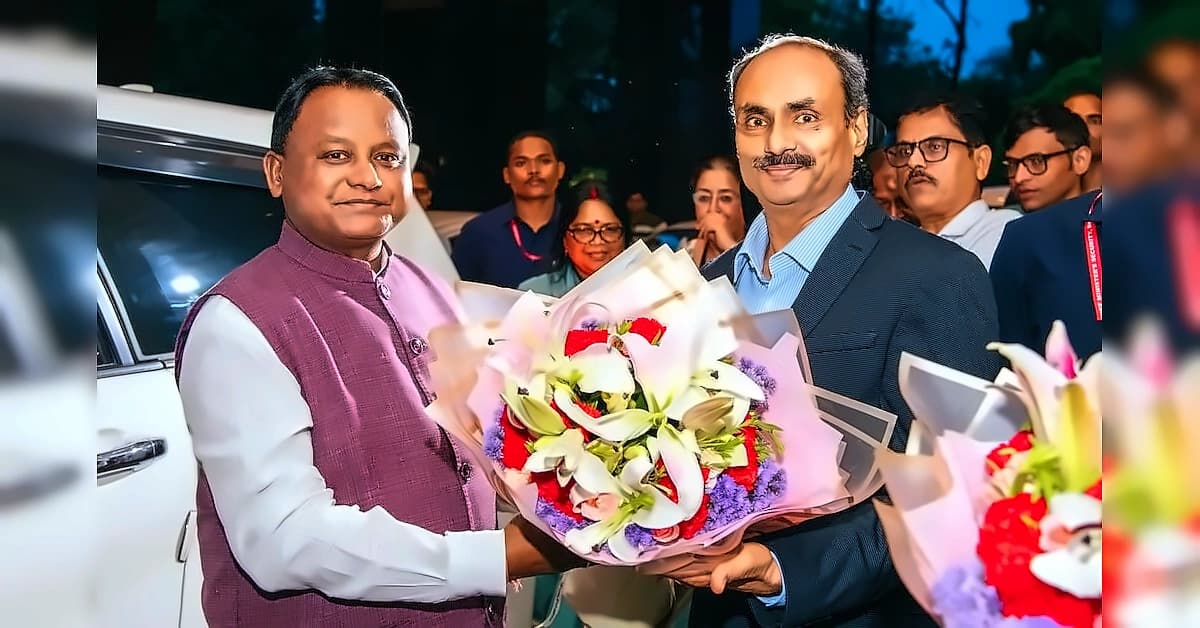
Odisha has unveiled an ambitious $500 billion economy target by 2036 and ₹10,000 crore investment in food processing infrastructure at the Odisha Food Pro 2026 summit in New Delhi. Chief Minister Mohan Charan Majhi announced that the state aims to reach $1.5 trillion by 2047 while creating 10 million non-farm jobs by 2047. According to Business Standard, the government is positioning Odisha as eastern India's primary food processing hub, with food processing and agriculture remaining core priority areas alongside apparel, electronics, tourism, pharmaceuticals, and manufacturing sectors.
The five new food parks will together span 1,000 acres, with 200 acres earmarked for each park at strategic locations including Bali (between Bhubaneswar and Cuttack), Barapali (near Brahmapur in Ganjam), Balasore, Bargarh and Kalahandi. These will add to the seven food parks already operational in Khordha, Cuttack, Sambalpur, Kalahandi and Rayagada. As reported by Business Standard, Hemant Sharma, additional chief secretary, Industries Department, confirmed that the locations have been identified and land earmarked, allowing the government to offer ready locations for manufacturing and processing facilities. The state is also inviting investments in cold-chain logistics, testing laboratories, packaging and export infrastructure to support the food processing ecosystem.
The government aims to attract 20-25 large players and national brands through the Delhi summit, targeting companies looking for access to agricultural raw materials, ports, domestic markets and export opportunities. According to Business Standard, the state has substantial production base in cereals, millets, fruits, vegetables, spices, cashew and marine products, with much of the economic value currently captured after products leave the state. Minister of State for Industries Sampad Chandra Swain emphasized that "the opportunity before us is not merely to produce more; it is to create greater value from what we already produce" while highlighting Odisha's position as a leading rice producer and cultivator of pulses, oilseeds, fruits, vegetables, and spices.
Companies from the Middle East, West Asia, Southeast Asia, Europe and the US are being targeted for investments in areas such as vegetarian and non-vegetarian protein extracts, egg powder and fish-based products such as surimi. As reported by Business Standard, the state expects these investments to create an export-oriented processing ecosystem. The government has identified regional products including mudhi (puffed rice), cashew, jackfruit, millets, mangoes, sweet potato, turmeric, coffee, chilli, maize and cotton with potential for organised processing and value addition. With a 573 km coastline and accounting for 11% of the country's groundwater availability, Odisha is positioning itself as the strategic gateway for trade with India's Northeast and ASEAN markets.
Odisha already has presence of several established companies including ITC Ltd, Nestlé, Parle, Britannia Industries, Indo Nissin Foods, Coca-Cola, Varun Beverages and Campa Cola. These are complemented by regional and local manufacturers such as Omfed, Ruchi, Bharat Masala, Grihasti and Homefills. According to Business Standard, the government plans to improve farm-gate realisations and create new markets for producers by bringing processing facilities closer to farms, focusing on traditional foods and geographical indication (GI)-tagged products for wider commercial distribution. The state's single-window portal GO-SWIFT offers 54 industrial services across 18 departments with an average project turnaround time of around 160 days, while all major industrial investments are monitored in real time through an industrial project monitoring dashboard.