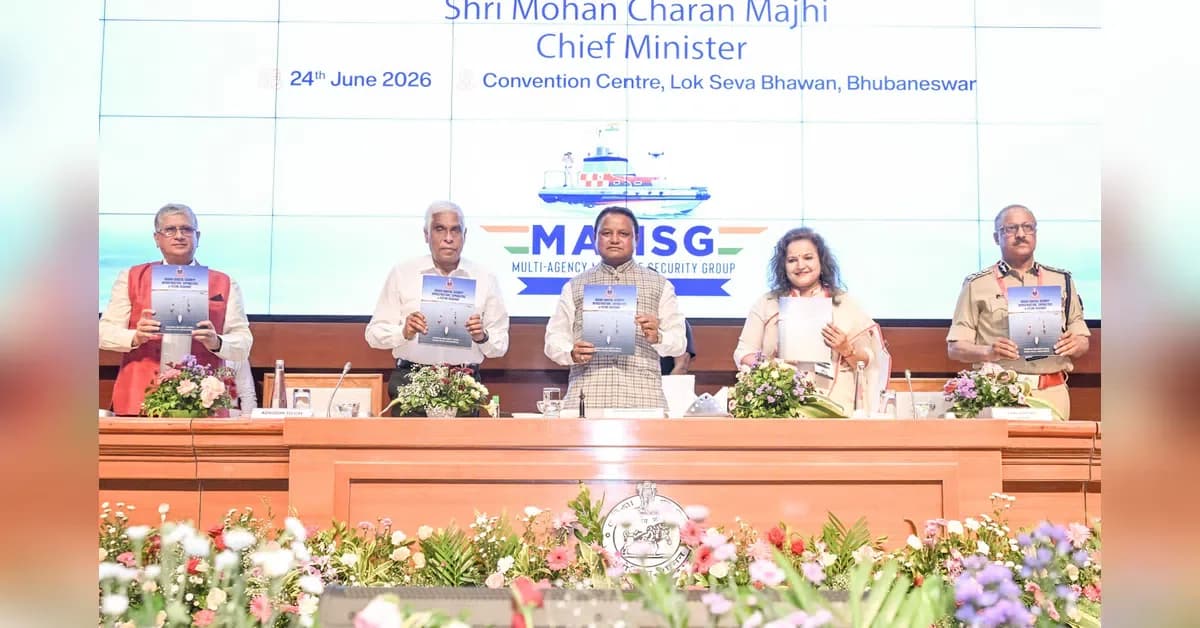
Odisha is launching a comprehensive ₹50,000 crore maritime infrastructure development initiative, as announced by Chief Minister Mohan Charan Majhi during the inauguration of the 14th Multi-Agency Maritime Security Group meeting. The state plans a greenfield deep-sea port at Bahuda in Ganjam district and a shipbuilding cluster near Paradip in Kendrapara district to strengthen its strategic maritime position. According to reports from Business Standard, this marks the first time the high-level national conference has been held outside New Delhi.
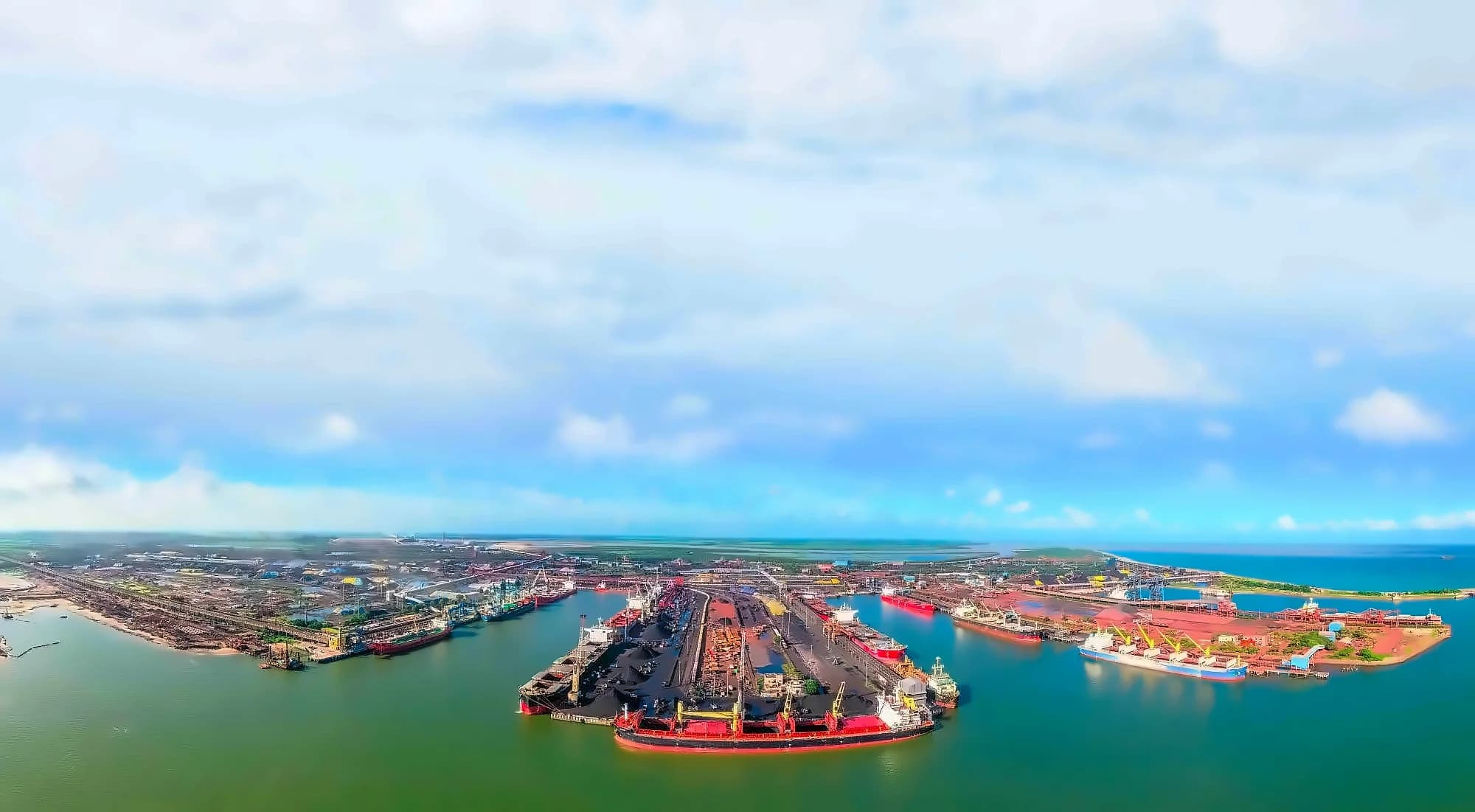
The deep-sea port planned near the mouth of the Bahuda River is envisaged as one of the largest greenfield port projects on India's eastern coast, with estimated investments of over ₹21,500 crore. The project is being pursued through collaboration between the Odisha Maritime Board, Paradip Port Authority, and central government agencies under the Sagarmala programme. As reported by Business Standard, once operational, the port will have a cargo handling capacity of nearly 150 million tonnes per annum and provide an alternative maritime gateway for mineral-rich Odisha and neighbouring states. The facility is expected to spur development of logistics parks, industrial clusters, warehousing facilities, and export-oriented industries in southern Odisha.
Alongside the port project, Odisha is planning a 1.2 million gross tonnage capacity shipbuilding and ship repair cluster opposite the Indian Farmers Fertiliser Cooperative plant near Paradip. According to Business Standard, the proposed maritime industrial hub will be developed with an investment of around ₹24,700 crore and will attract investments in shipbuilding yards, repair docks, marine equipment manufacturing units, and ancillary industries. These projects will be developed through a special purpose vehicle between the Odisha government and Paradip Port Authority.
Chief Minister Majhi emphasized that Odisha's 575-kilometre coastline along the Bay of Bengal remains one of the state's most valuable strategic and economic assets, placing it at the centre of India's emerging Indo-Pacific strategy. As reported by Business Standard, he described the 21st century as the "Indo-Pacific century" and highlighted that India is rapidly emerging as a major maritime power, with Odisha well-positioned to contribute to that growth. The state's maritime heritage and extensive coastline make it strategically important for India's maritime security and economic development.
India's recent maritime law reforms through the Ports Bill, Merchant Shipping Act, Coastal Shipping Act, and Carriage of Goods by Sea Bill (2025) aim to modernise governance and enhance India's maritime role. However, these reforms have raised concerns about centralisation, weakened ownership safeguards, and excessive discretion, particularly affecting smaller operators and coastal states. The Ports Bill, 2025 centralises decision-making under a Maritime State Development Council, curbing state autonomy in port development, while the Merchant Shipping Act allows partial foreign ownership of Indian-flagged vessels. Critics argue these changes favour big corporations and the Centre, potentially compromising India's federal balance and maritime security despite promises of modernisation.