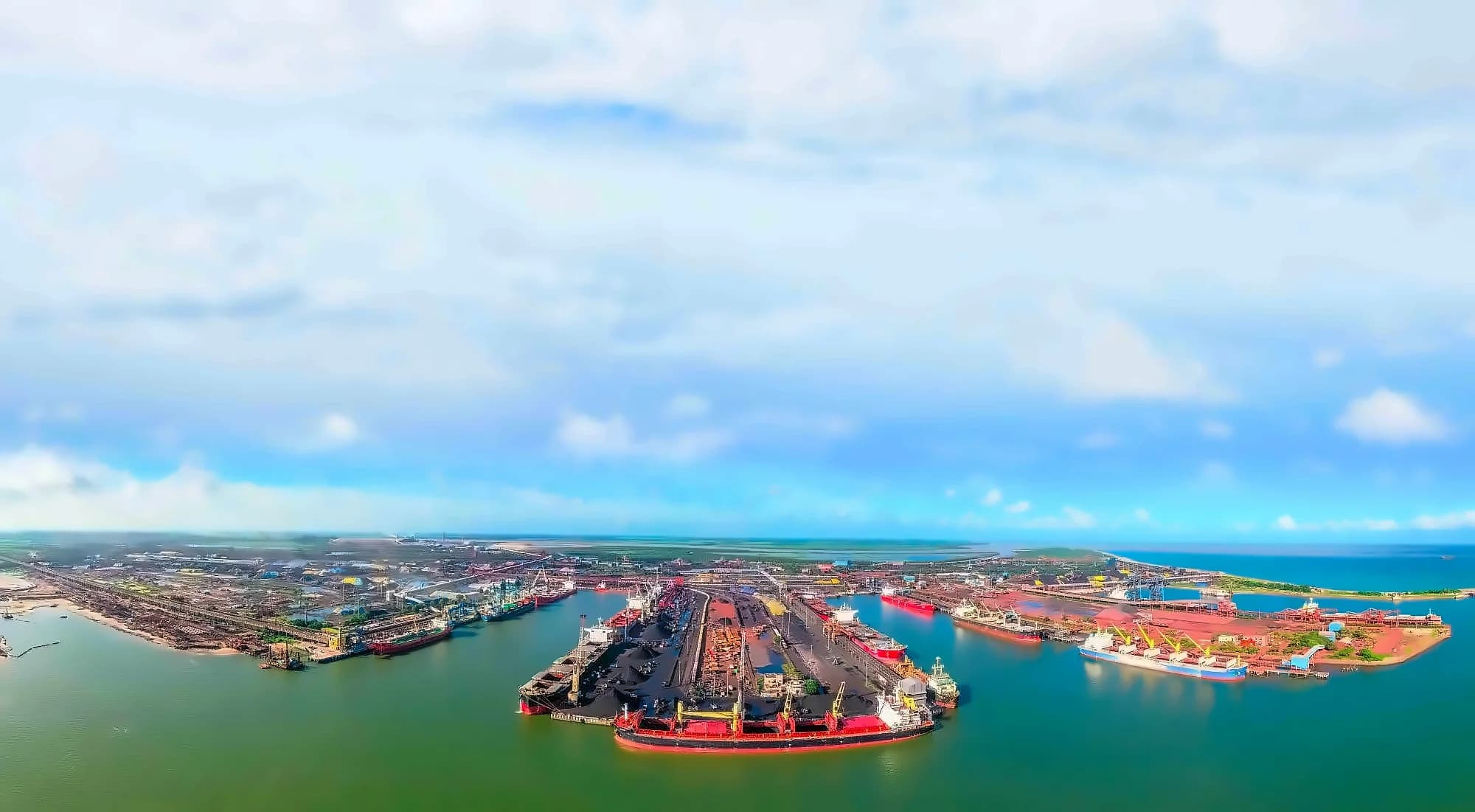
Paradip Port has achieved Mega Port status after crossing the prescribed threshold of 150 million metric tonnes (MMT) of cargo throughput in 2025-26, marking a significant milestone in India's maritime infrastructure development. According to The Business Bytes, the port handled a record 156.45 million tonnes of cargo in 2025-26, more than double the 76.39 million tonnes handled in 2015-16, making it the highest annual throughput recorded since its inception. The Mega Port classification, valid for five years, recognizes the port's scale achievement rather than generating new investment, with the larger economic outcome dependent on effective conversion of this scale into infrastructure, industrial activity, and logistics efficiency.
Odisha's eastern coast is emerging as a major maritime investment hub with a pipeline of more than ₹50,000 crore spanning port expansion, new port development and shipbuilding infrastructure. The investment push is being led by Paradip Port's next phase of capacity expansion, alongside the proposed Bahuda port in Ganjam district and a planned shipbuilding cluster in Kendrapara district, signalling a broader transformation of the state's coastline into a multifaceted maritime and logistics hub. As reported by The Business Bytes, the Centre has approved ₹797.17 crore for a dedicated jetty and allied facilities for handling green hydrogen, ammonia and other liquid cargo, with a proposed capacity of 4 mtpa, while a proposed shipbuilding cluster in Kendrapara with an estimated investment of around ₹24,700 crore is coming up.
The investment pipeline for Paradip Port includes a ₹3,005 crore deep-draft Western Dock, which has been designed to add about 25 million tonnes a year (mtpa) of capacity and enable the handling of Capesize vessels with drafts of up to 18.5 metres. The port's rated capacity is around 289 mtpa and has set a long-term objective of crossing 500 mtpa by 2047. According to The Business Bytes, the port is now supported by road corridors including NH-53 and SH-12, as well as rail connectivity to key industrial and commercial centres, with a 100-acre Multimodal Logistics Park developed with CONCOR providing integrated cargo facilities. The port authority has undertaken skill-development initiatives through CEMS and CIPET to support industry-oriented training, while during 2025-26, ₹100 crore was spent on CSR activities covering education, healthcare, skill development and community welfare.
The Centre has approved ₹797.17 crore for a dedicated jetty and allied facilities for handling green hydrogen, ammonia and other liquid cargo, with a proposed capacity of 4 mtpa. According to The Business Bytes, a land parcel of more than 400 acres is required for the green hydrogen hub, with the port authority having around 200 acres and the state government requested for additional 200 acres of land. The proposed green energy ecosystem will connect renewable energy generation with the production, storage, transport and export of clean energy products, representing a strategic shift from cargo movement to value creation around cargo through greater downstream processing and manufacturing. Recent developments show that Kandla currently has a 1-megawatt green hydrogen plant in operation, with additional facilities under development, and has completed India's first methanol bunkering trial.
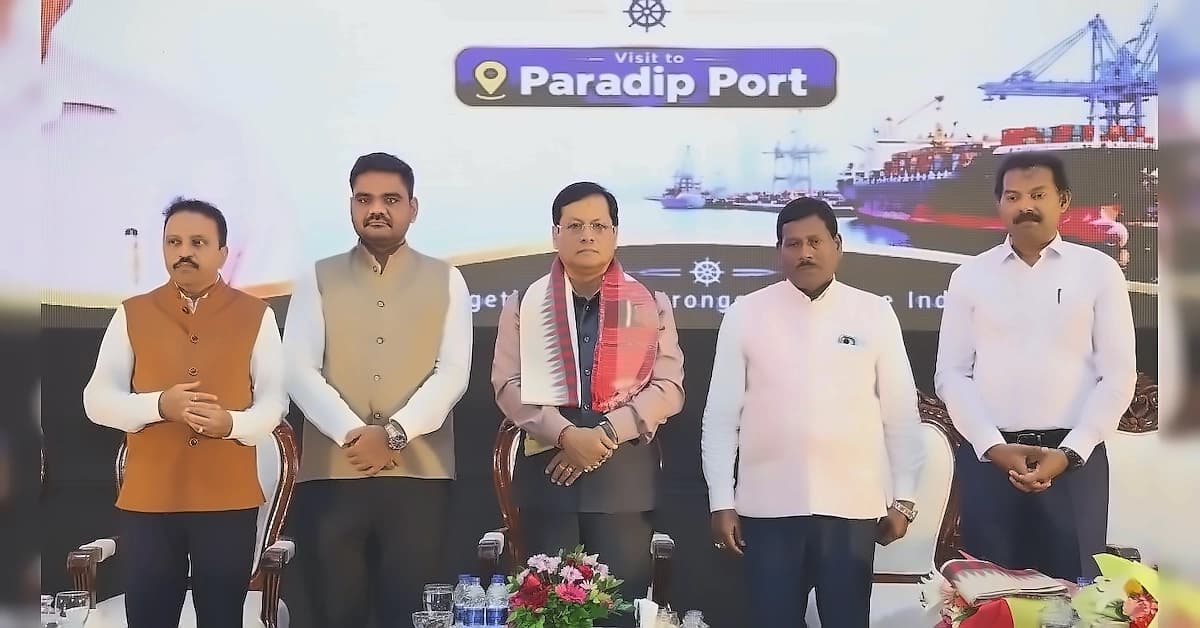
The Mega Port designation represents more than a milestone in cargo handling, marking the port's entry into a phase where economic significance extends beyond cargo movement to logistics, industry, clean energy and industrial capabilities. As reported by The Business Bytes, Paradip Port Authority Chairperson Susanta Kumar Purohit emphasized that the next task is to convert this scale into wider economic value through stronger logistics, deeper maritime infrastructure, clean energy, industrial development and new maritime capabilities. The port's economic reach extends beyond the waterfront, with warehousing, freight forwarding, cargo processing, packaging, equipment maintenance and other logistics services expanding around the port. Industries such as steel, chemicals, petrochemicals and manufacturing can benefit from proximity to this major maritime gateway, with the strategic shift being from cargo movement to value creation around cargo through greater downstream processing and manufacturing capabilities.