The National Highways Authority of India (NHAI) has successfully completed the first round of special quality inspections of 17 under-construction National Highway projects whose bid value was more than 15 per cent lower than the estimated project cost. As reported by NHAI officials, the first round of inspections has been completed by December 2026, with the authority planning to re-inspect all projects after six months to ensure sustained quality monitoring. This proactive approach represents a significant shift in NHAI's quality assurance strategy, moving beyond traditional supervision to comprehensive third-party audits. The Ministry of Road Transport and Highways (MoRTH) stated that these inspections are in addition to NHAI's regular quality checks and are aimed at identifying any quality-related issues at an early stage so that corrective action can be taken on time. The specialized inspections will help NHAI identify common quality issues, construction practices and areas where greater accountability is required from contractors, consultants and other project stakeholders.
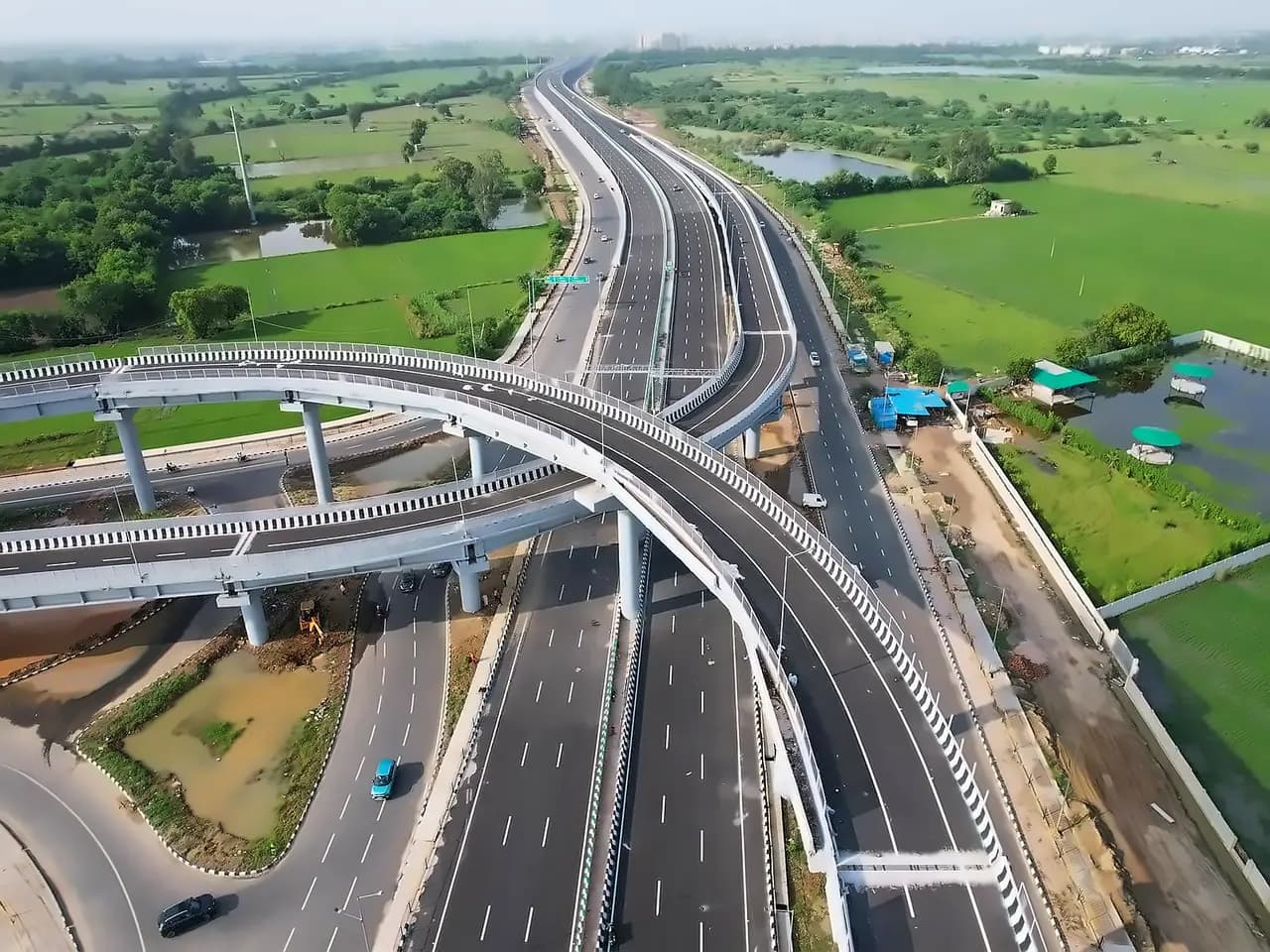
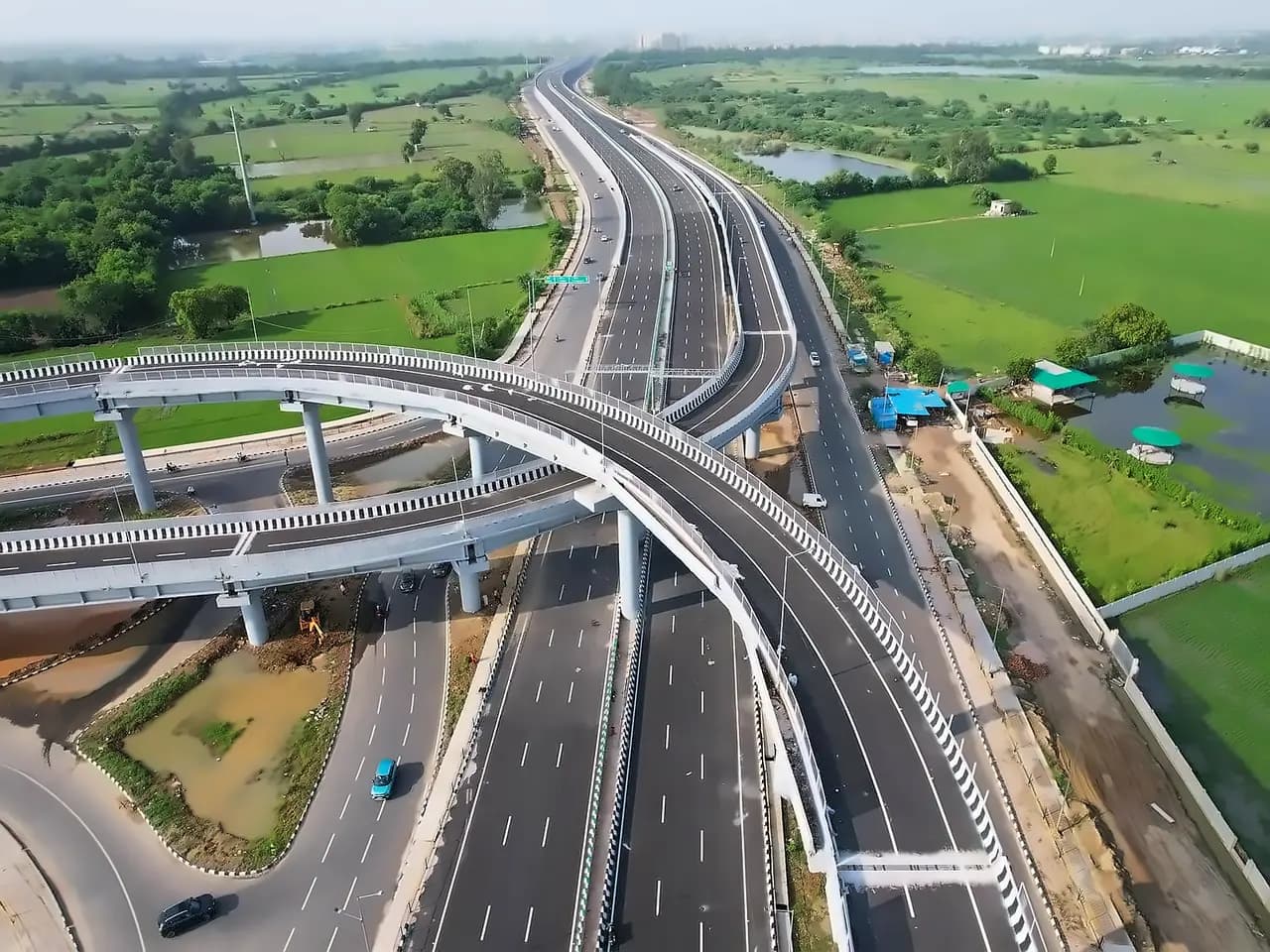
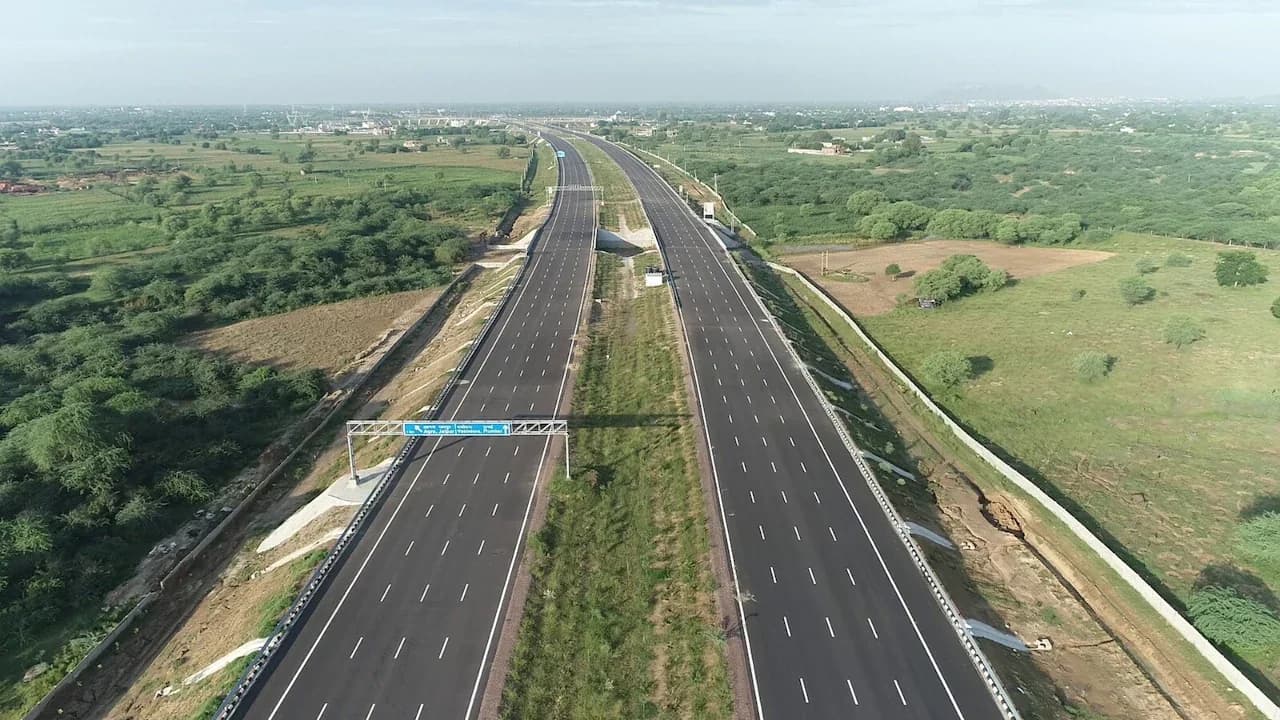
The 17 projects have been selected using three specific criteria: construction cost of more than ₹500 crore, tender discount of over 15 per cent, and physical progress between 35 per cent and 80 per cent. According to NHAI officials, these criteria help focus quality checks on projects that are at an important stage of construction and adopt a data-driven approach. The projects include greenfield and access-controlled corridors, bypasses, as well as four- and six-laning works across Karnataka, Madhya Pradesh, Chhattisgarh, Andhra Pradesh, Tamil Nadu, Punjab, Haryana, Gujarat and Uttar Pradesh. Notable projects include Tumkur-Nelamangala (6-Laning) in Karnataka, Durg-Raipur Bypass Section in Chhattisgarh, and 6-lane access controlled greenfield highway from Yerragudipadu to Audireddipalle in Andhra Pradesh. NHAI's statement emphasizes that these parameters are designed to target inspections towards projects in a crucial phase of construction process and implement data-driven quality monitoring.
According to NHAI's official statement, the inspections were carried out by specialized teams led by 39 experienced and retired engineers from various government organizations, including the Ministry of Road Transport & Highways, Ministry of Railways, Ministry of Defence and State Public Works Departments. The teams were supported by technical experts during the inspections. The first round of inspections was completed by December 2026, with plans to re-inspect all projects after six months with a different team of experts to ensure quality and adherence to construction standards. NHAI has developed a repository of experts to enhance its quality monitoring mechanism, ensuring that specialized teams are available for comprehensive project assessments.
As reported by NHAI officials, the teams checked construction work against approved drawings, technical specifications, contractual requirements and project-specific quality plans. They examined the quality of construction materials, workmanship and construction methods, as well as records of sampling and testing. Operating independently of routine field assessments, the expert teams will examine execution methods, approved engineering drawings, material sampling procedures, laboratory test records, and overall contractual compliance. The on-site reviews will also evaluate road safety arrangements, work-zone traffic control systems, and required environmental safeguards to resolve potential structural shortcomings before completion. According to the highway authority, any work that does not meet the required standards will be identified and followed up for corrective action as per the applicable contract provisions. The inspections covered road safety arrangements, traffic management and environmental safeguards where applicable, helping identify recurring quality issues and construction practices while highlighting areas where greater accountability may be needed from contractors, consultants and other stakeholders involved in the projects.