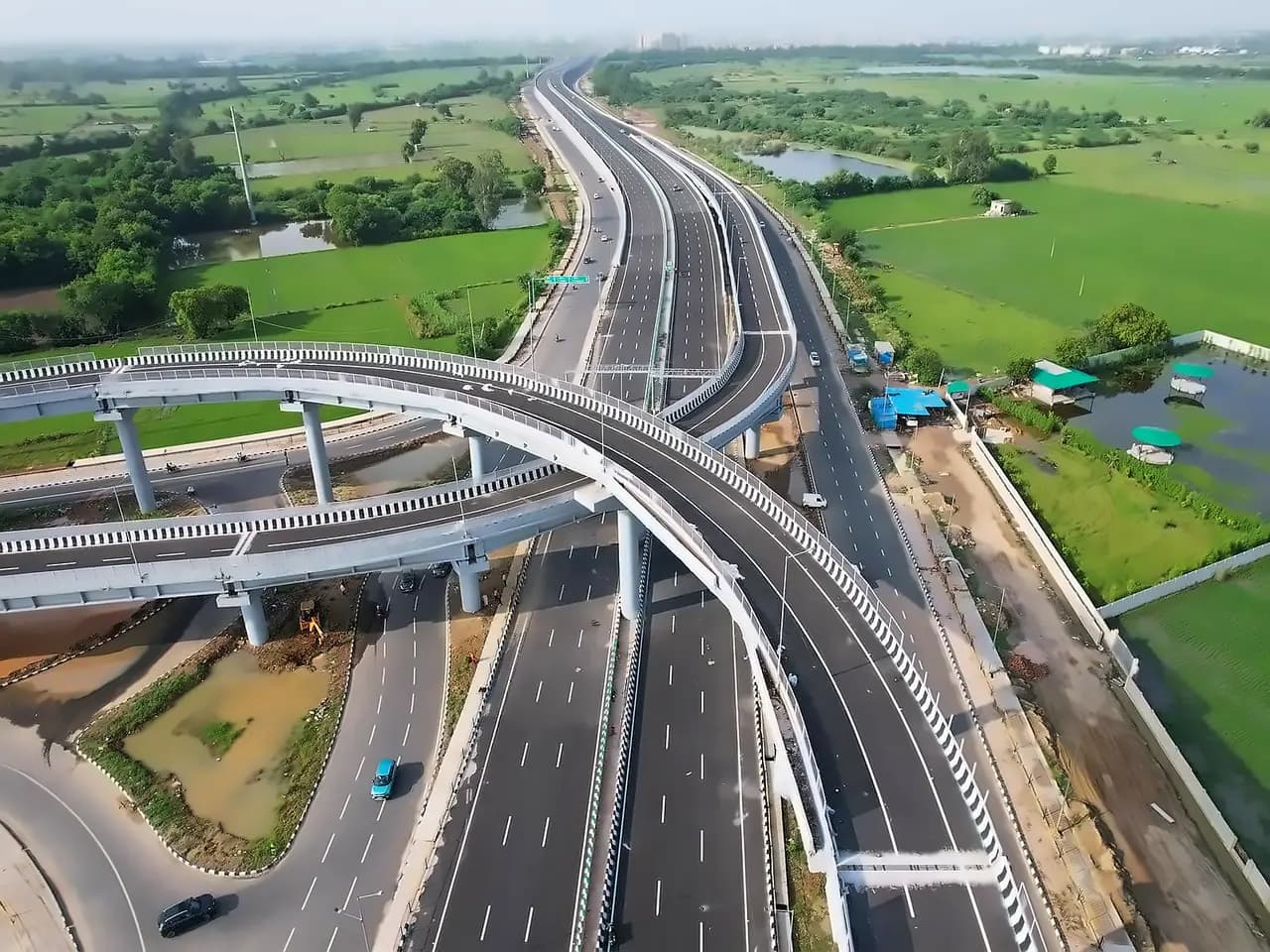
The National Highways Authority of India (NHAI) has implemented mandatory independent checks of designs and drawings for bridges, viaducts, tunnels, and other complex highway structures. According to reports from Hindustan Times, the new rules will come into effect on December 1, 2026, requiring contractors to get designs vetted by empanelled Indian Institutes of Technology (IITs), government technical institutions, and reputed firms before submission for approval. The new proof-checking rules will apply to all NHAI projects where design-setting and proof-checking have not begun before December, ensuring comprehensive safety scrutiny across all ongoing projects. As reported by The New Indian Express, NHAI has also drawn up detailed guidelines covering the selection of proof-checkers, the review process, and approval timelines, establishing a uniform system of quality assurance across highway projects.
Under the revised framework, contractors or concessionaires must appoint an independent design proof-checking consultant from NHAI's empanelled institutions and firms at their own cost. As reported by Hindustan Times, the consultant will examine structural designs, engineering drawings, and relevant hydrological and hydraulic studies before designs are submitted for approval. The policy introduces a standardised checklist covering geotechnical investigations, foundation design, structural analysis, loading conditions, seismic assessments, scour protection, drainage arrangements and the consistency of drawings with design calculations. Separate checklists have been prescribed for major bridges and other critical structures, ensuring comprehensive technical scrutiny across all project categories. According to The New Indian Express, the framework will apply across different modes of highway project implementation, with detailed guidelines covering structural design, site conditions, water management, and design compliance to ensure consistency between engineering drawings and calculations.
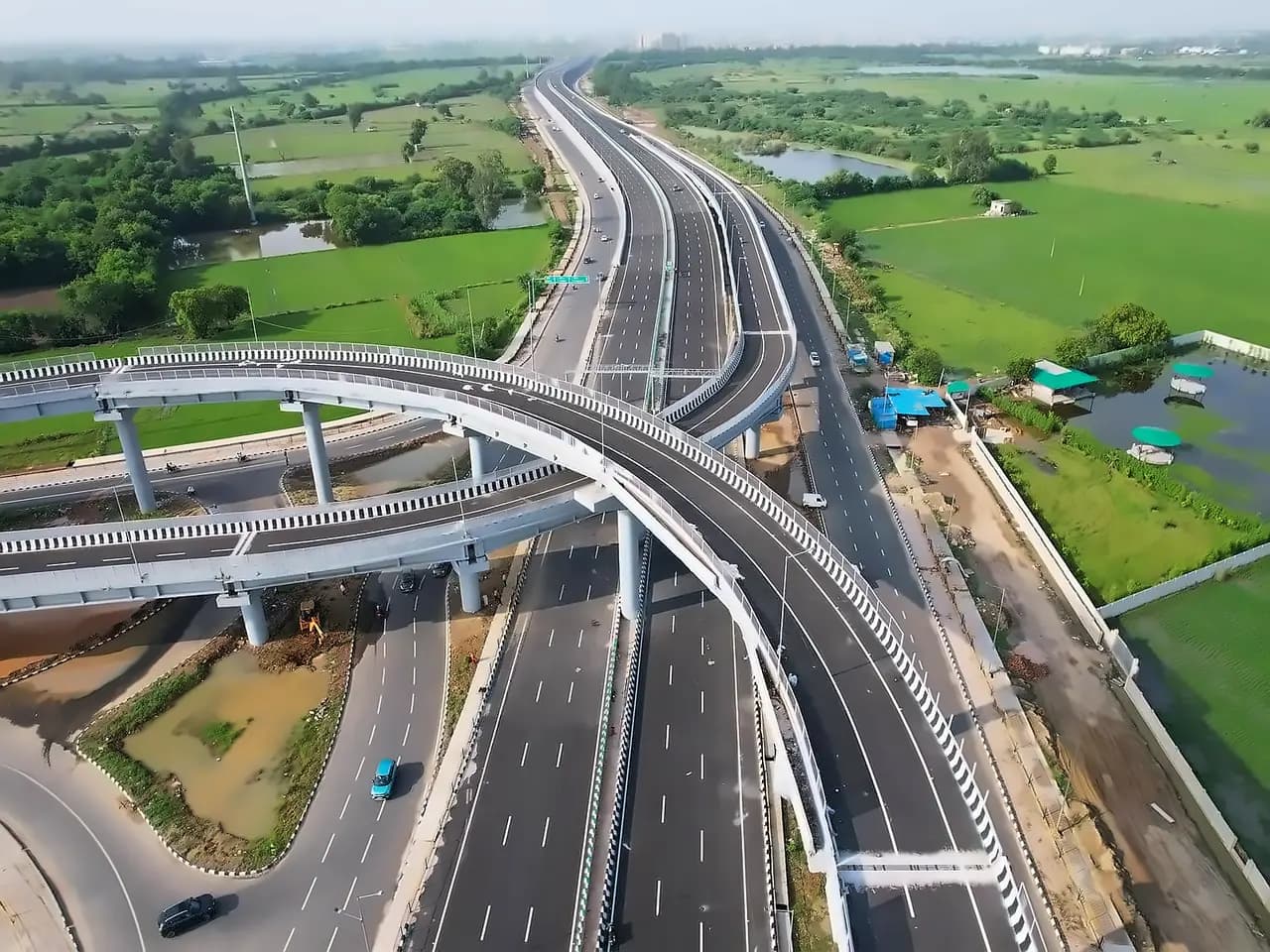
The policy implementation addresses significant structural concerns in India's highway infrastructure. According to Hindustan Times, the Union government informed Parliament in August that 471 bridges on national highways had been identified with structural distress. Remedial work had been completed on 159 bridges, while repairs on the remaining 312 bridges were targeted for completion by December 2028. Recent incidents have highlighted infrastructure risks, including the collapse of Bihar's Vikramshila Setu bridge in May 2026 and a newly constructed bridge approach in Dehradun that caved in just 16 days after opening in July. NHAI emphasizes that independent technical scrutiny is essential to ensure structural safety, serviceability, durability and compliance with applicable Indian Roads Congress (IRC) codes, specifications and provisions of concession agreements.
Following the implementation, a memorandum of understanding (MoU) will be executed with expert technical institutions for the empanelment process. As per the guidelines, the empanelment will be category-based, depending upon the domain expertise of the institution. The guidelines also lay down the workflow for the selection of proof checkers and final approval, with proof checking to be completed within the timeline mutually agreed upon with the contractor or concessionaire. Officials noted that existing contract agreements provide for proof checking of designs through "Proof Consultants" for specified structures but differ in respect of the scope of structures covered, the manner of selection or appointment of the consultants and the extent of institutional involvement. To establish a uniform and robust quality assurance framework across all modes of project implementation, NHAI has decided to institutionalize proof checking through reputed technical institutions empanelled for critical structures.