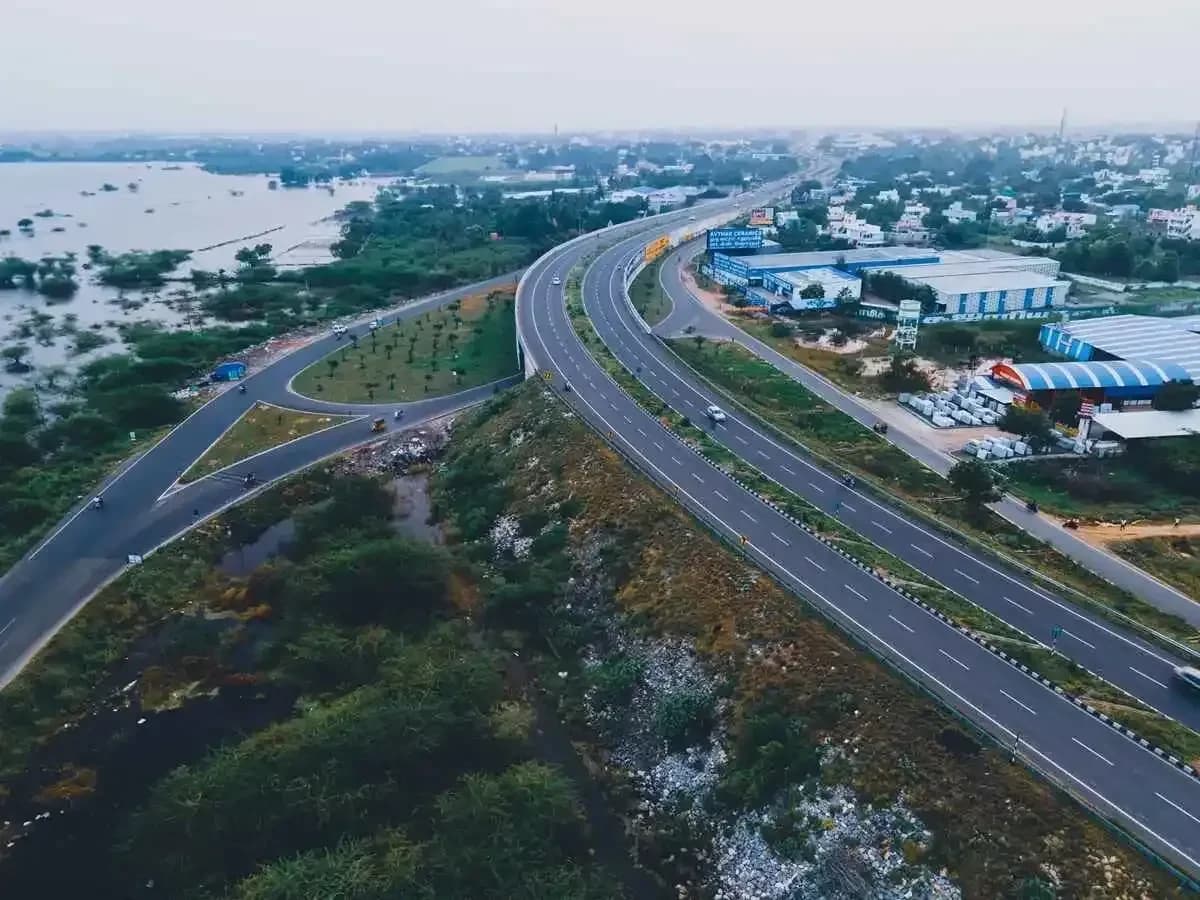
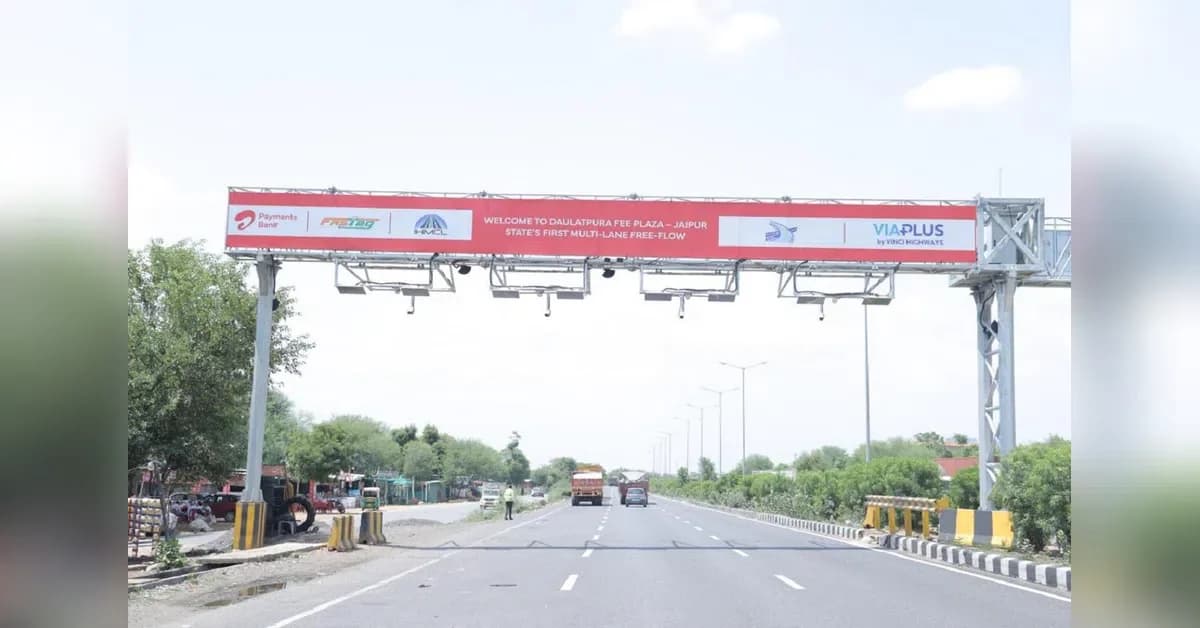
The National Highways Authority of India (NHAI) has introduced comprehensive guidelines for multi-lane free flow (MLFF) tolling on upcoming high-speed national highways, fundamentally transforming how motorists pay tolls. Under the new system, tolls can be collected electronically as vehicles move through the highway instead of stopping at conventional toll plazas, allowing seamless passage without traffic disruption. These guidelines apply to upcoming four-lane and six-lane greenfield and brownfield high-speed, access-controlled national highways, excluding expressways, as reported by NDTV. The NHAI has also mandated more detailed traffic forecasting that includes current data, possible diversions, and future freight growth projections linked to economic and commercial activity, with toll and other reliable datasets used to improve projections.

The Ministry of Road Transport and Highways has updated the model concession agreement (MCA) for hybrid annuity model (HAM) highway projects, introducing significant changes to address project delays and provide clearer compensation mechanisms. According to the latest reports, the revised MCA allows concessionaires to fully replace themselves or equity partners prior to formal default termination through a 'harmonious substitution' clause. This update comes as part of the government's broader strategy to reduce litigation in road projects, with highways being among the most litigated large-value public assets.
The new MCA introduces three circumstances where exit clauses can be invoked: if an uncured authority default (land/clearances) delays the project, the concessionaire fails to infuse equity or mobilise resources, or if after the commercial operations date (COD), the concessionaire seeks to exit. The government has clarified that prolongation costs will be 8% of the value of incomplete work with respect to delays attributable to the authority. As per industry experts, these changes eliminate discretionary damage assessments and provide clear financial compensation for delay periods, making highway projects more predictable for investors.
The NHAI is bringing construction technology into the planning framework with Automated and Intelligent Machine-aided Construction (AI-MC) that can be deployed for highway embankments and pavement work, with the aim of improving accuracy, quality and monitoring. The authority is also focusing on environmental sustainability with environmental features considered from the project-design stage. Landscaping and plantations can be planned around medians, loop areas and flyovers, with species selection based on local environmental conditions, while drip irrigation systems are proposed for medians to reduce water consumption. The framework emphasizes creating safer, greener and future-ready high-speed highway corridors capable of handling changing traffic and infrastructure needs.
The NHAI has tightened drainage planning with detailed Project Reports now required to identify discharge points for rainwater from highways and surrounding areas, while water-harvesting structures will be developed where natural outlets are unavailable. Special drainage provisions will be required around underpasses, flyovers and depressed medians to prevent waterlogging. Under the new guidelines, interchanges with ramps will be provided at crossings with expressways, national highways, state highways and important arterial roads generating substantial traffic. These interchanges will also be provided at roads providing connectivity to major traffic-generating destinations such as ports, airports, Multi-Modal Logistics Parks (MMLPs), industrial areas and major tourist destinations. To strengthen access control, the guidelines prescribe construction of a 1-metre-high boundary wall along the outer edge of the corridor to prevent unauthorized access and entry of stray cattle onto High-Speed Corridors.