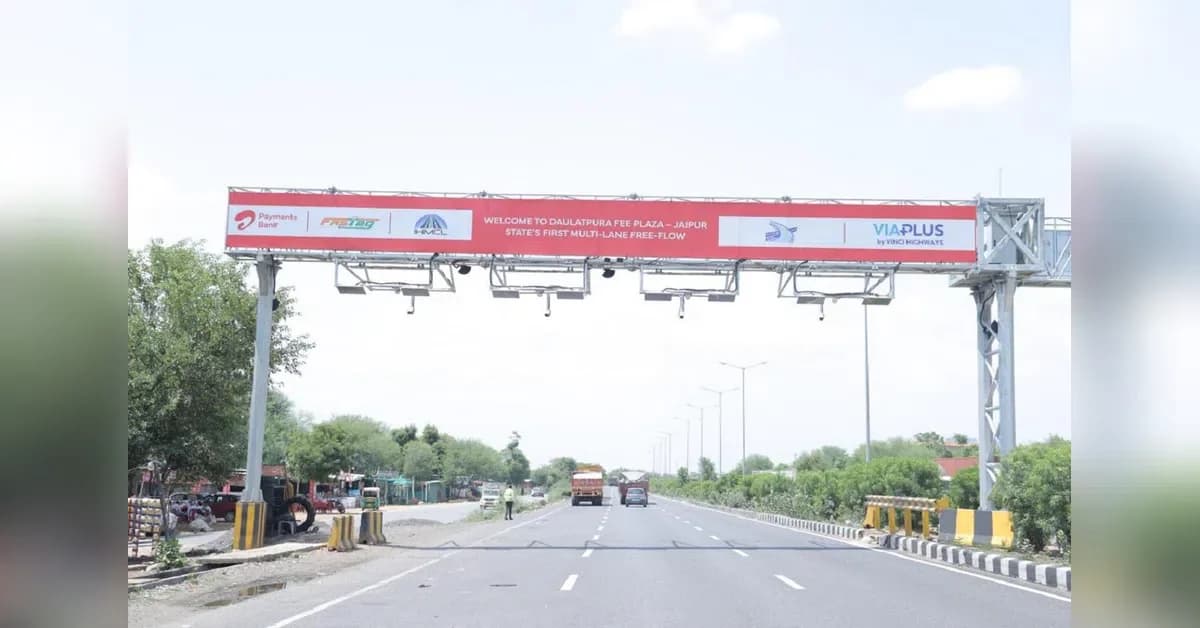
The National Highways Authority of India (NHAI) has successfully launched the Multi-Lane Free Flow (MLFF)-based tolling system at the Daulatpura Toll Plaza on the Delhi-Jaipur section of National Highway-48 in Rajasthan, marking a major step towards transforming the Electronic Toll Collection system nationwide. According to reports from Business Standard, this barrier-free tolling system uses Automatic Number Plate Recognition (ANPR) technology and FASTag-based electronic toll collection to facilitate automated user-fee collection with minimal human intervention. The system became operational from Friday afternoon, with vehicles moving through toll lanes without any barriers being lowered while toll charges were automatically deducted. As reported by The Times of India, the system went live as part of NHAI's efforts to modernise electronic toll collection, allowing vehicles to move at normal highway speeds while the system reads number plates and deducts fees in real time. The launch represents a major milestone in India's digital highway infrastructure transformation, with the system going live as part of NHAI's efforts to modernise electronic toll collection across the country.
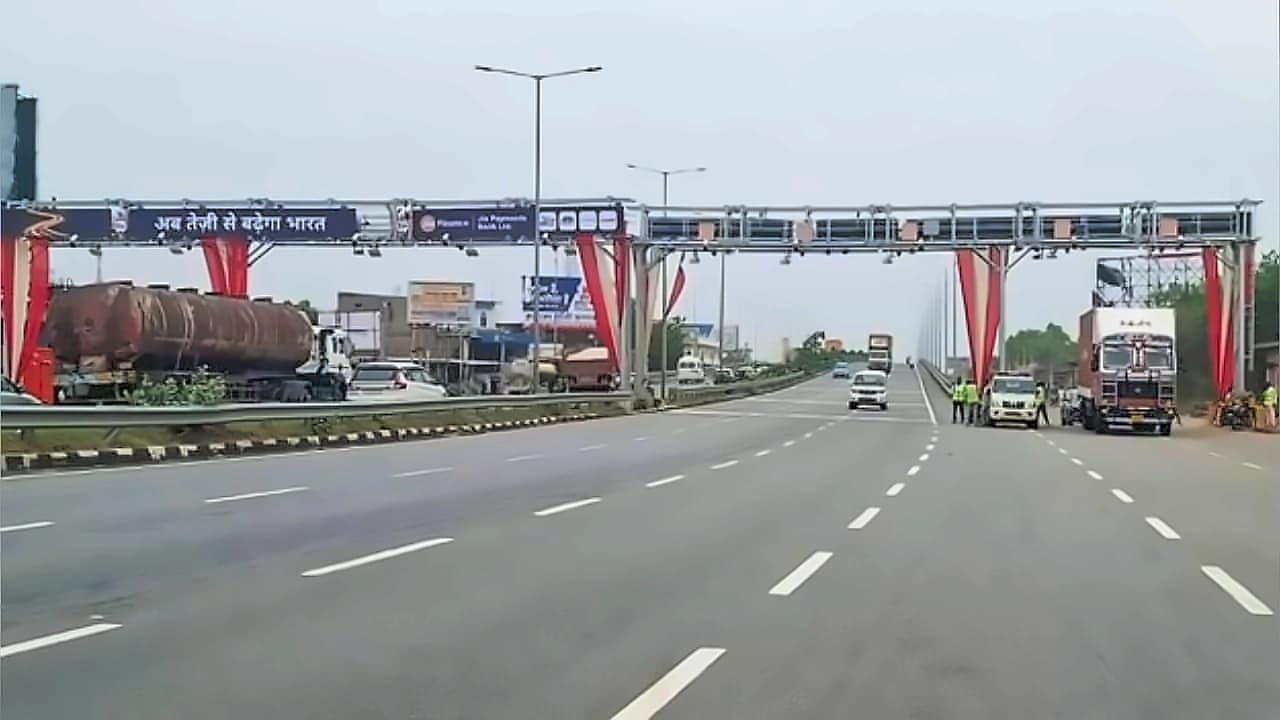
Following the launch at Daulatpura, NHAI is planning to convert toll plazas at Shahjahanpur and Manoharpur to the MLFF system, making commuting on the busy Delhi-Jaipur section barrier-free. As reported by Business Standard, this expansion will significantly improve electronic toll collection across the corridor. The authority has previously implemented similar MLFF systems at the Chorayasi Toll Plaza on the Surat-Bharuch section of NH-48 in Gujarat and at the Mundka Bakkarwala Toll Plaza on the Urban Extension Road-II (UER-II) in Delhi. According to The Times of India, these earlier implementations showed clear benefits with commuters saving time, using less fuel and producing lower emissions because vehicles no longer idled at toll points. The Multi-Lane Free Flow framework uses Automatic Number Plate Recognition technology combined with FASTag-based electronic toll collection, with vehicles moving at normal highway speeds while the system reads number plates and deducts fees in real time, reducing queues and supporting uninterrupted traffic flow. NHAI has set a target of making the entire route barrier-free by July 15, with the first phase covering Daulatpura toll booth.
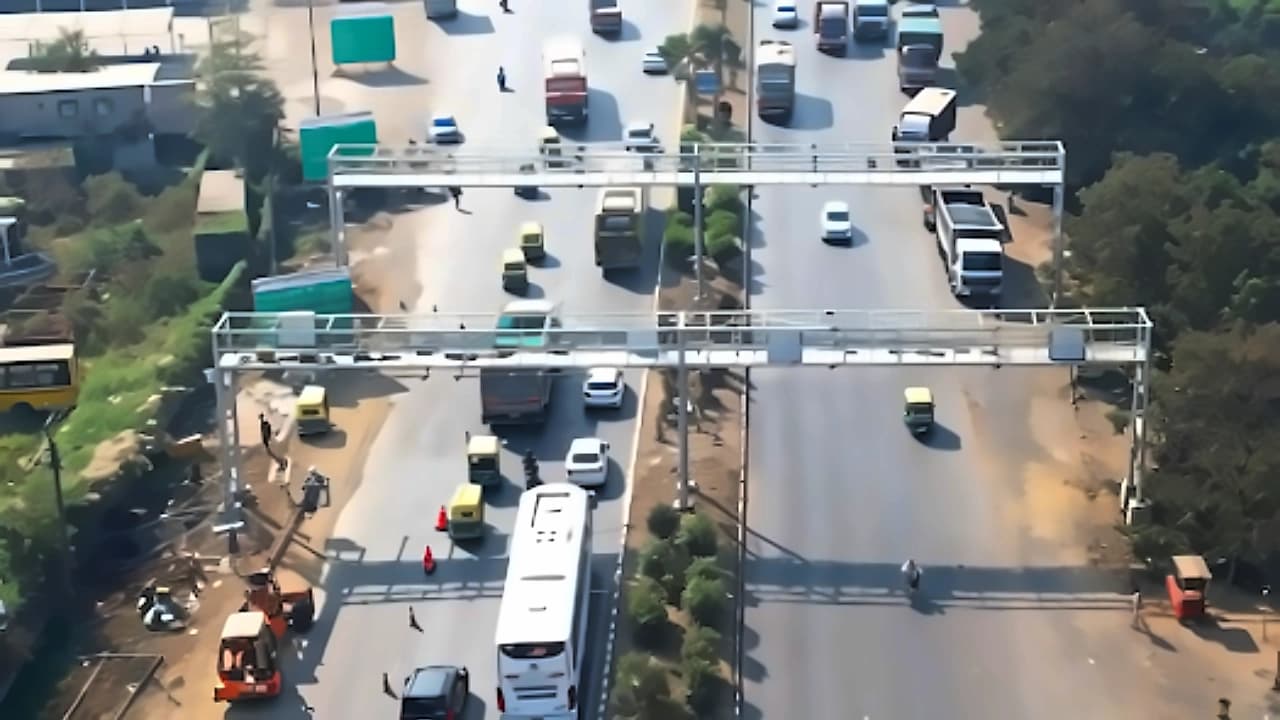
The advanced MLFF system can scan vehicles at speeds of up to 100 km/h using Automatic Number Plate Recognition (ANPR) technology and scanner systems installed at the plaza. As reported by The Times of India, the system automatically deducts toll charges for vehicles with valid FASTags, while vehicles without FASTags or insufficient balance are issued challans and sent online. The system maintains strict compliance measures with electronic notices issued for non-payment within 72 hours. Vehicle drivers who fail to pay within this timeframe face charges at twice the rate applicable to the vehicle category, with non-payment potentially resulting in blacklisting of FASTags and restrictions on other vehicle-related services through the VAHAN platform. For smooth operation, users must maintain sufficient balance in their FASTag accounts, with the system issuing electronic notices in cases of insufficient balance or non-functional tags.
On the first day of operations, several motorists briefly stopped at the plaza expecting to pay through FASTag, but were informed that toll amounts had already been deducted automatically and were allowed to continue their journey. As reported by The Times of India, NHAI officials have decided to remove the structures of these toll booths (barrier-free toll booths) in the coming time to eliminate confusion among users. The Jaipur-Delhi route currently has 3 toll booths till the Haryana border - the first at Daulatpura, second at Manoharpur, and third at Shahjahanpur border. With the introduction of the barrier-less tolling system, vehicles will no longer need to stop or reduce speed at these toll plazas. The implementation marks a major advancement in digital national highway infrastructure, enabling zero waiting time and uninterrupted vehicular movement, helping commuters save time, enhance fuel efficiency, and reduce vehicular emissions at toll locations. The rollout forms part of the government's push to adopt advanced technology for easier travel and better infrastructure management.