The Department of Consumer Affairs, through the Bureau of Indian Standards (BIS), is developing India's first dedicated national standard for breakwater planning, design and construction. According to reports from Mint, the draft Indian Standard Planning and Design of Ports and Harbours—Code of Practice, Part 6: Breakwater—Planning, Design and Construction [IS 4651 (Part 6)] is currently under preparation and has been circulated for public comments. As confirmed by Abhishek Pal, a scientist in BIS's civil engineering department, the proposed code aims to establish a uniform engineering framework while reducing India's dependence on foreign engineering manuals and consultant-specific practices.
The proposed code introduces significant improvements in climate-resilient design principles for breakwater engineering. According to Mint reports, the standard requires breakwaters to be designed with a minimum service life of at least 50 years while accounting for 100-year return-period storms, storm surges and projected sea-level rise over the next five decades. This represents a departure from traditional coastal infrastructure design that relied on historical records of waves, tides and storms, as climate change makes those patterns less reliable. The code also provides guidance on assessment, rehabilitation and life extension of existing breakwaters, encouraging periodic updates to climate parameters and promoting structural health monitoring.
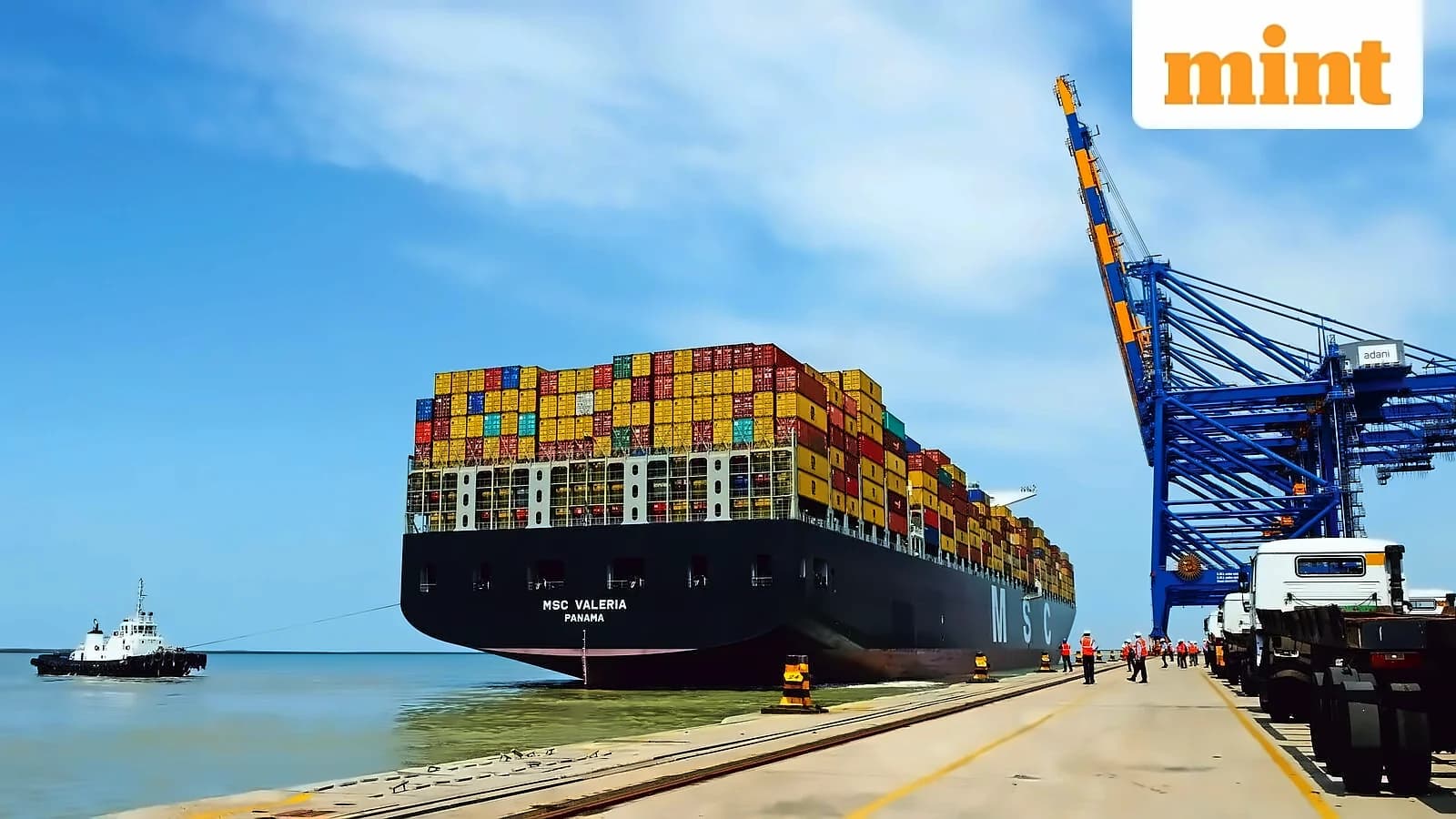
India currently operates 13 major ports and more than 200 non-major ports, with several new port and capacity expansion projects under implementation. As reported by Mint, breakwaters are among the costliest and most strategically important components of port infrastructure, as they dissipate wave energy, reduce storm impacts and create calm harbour waters for safer navigation, berthing and cargo handling. The move comes as India rapidly expands its maritime infrastructure under flagship initiatives such as Sagarmala and Maritime Amrit Kaal Vision 2047, alongside development of greenfield ports, container terminals, LNG facilities and offshore infrastructure.
Mumbai Port Authority chairperson Dr. M. Angamuthu told Mint that the proposed code is flexible enough to address diverse coastal conditions across India. According to the report, the code provides guidance on navigation safety, sedimentation, maintenance dredging, constructability and other marine considerations during implementation. The development is being coordinated with key stakeholders, including public and private port operators, ensuring alignment with evolving global standards followed by major maritime nations. Experts believe the proposed code could significantly strengthen climate resilience of India's port infrastructure by incorporating design parameters for extreme weather events and sea-level rise projections.