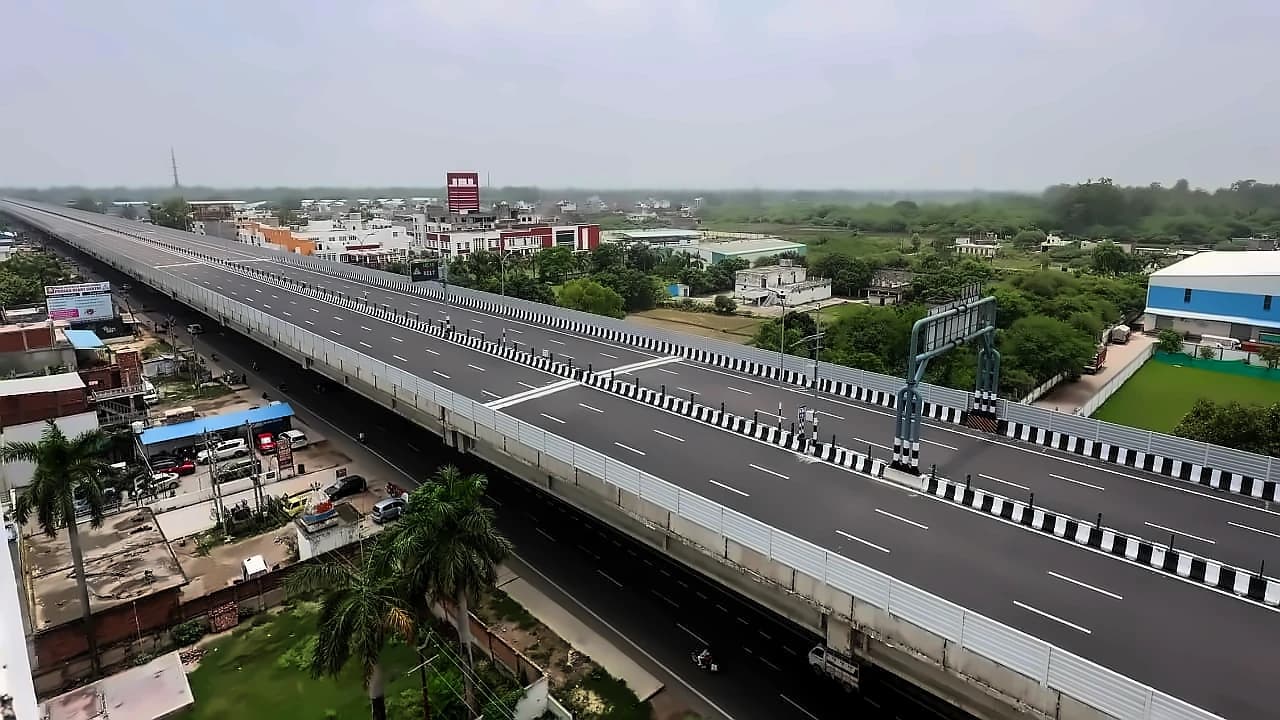
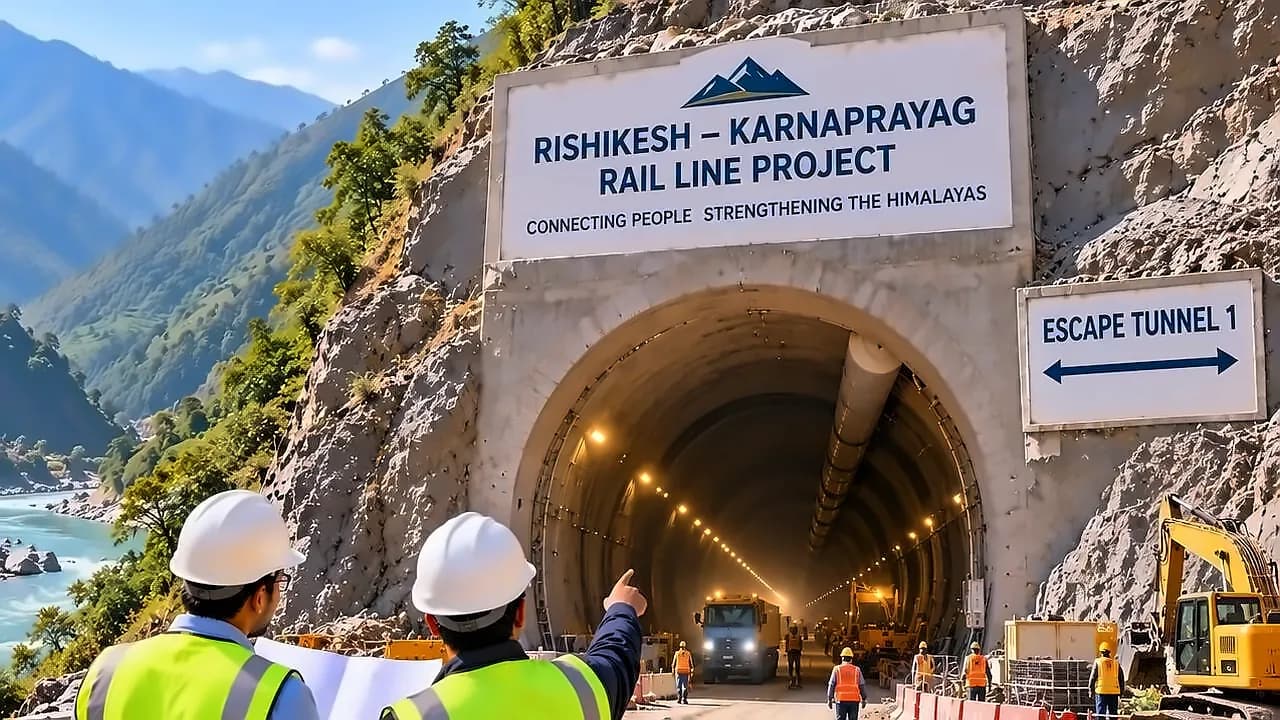
The Uttarakhand government, Uttar Pradesh government, and the National Capital Region Transport Corporation (NCRTC) have agreed in principle to extend the Namo Bharat high-speed train corridor from Modipuram in Meerut to Lakshman Jhula in Rishikesh, as announced by Chief Minister Pushkar Singh Dhami on Wednesday. According to reports from Times Now, the project received approval after CM Dhami recently met Prime Minister Narendra Modi and Union Minister Manohar Lal Khattar to push the proposal. Uttarakhand has appointed Additional Secretary Reena Joshi as the nodal officer for the project, while the NCRTC has named its own nodal officer to coordinate the work. The Uttar Pradesh government has also agreed to the plan, clearing the way for the joint detailed project report. With approval in place, authorities will soon begin a survey for the Detailed Project Report (DPR) to determine the technical feasibility, alignment, station locations, and infrastructure requirements for the proposed corridor. The breakthrough comes after an agreement was reached between the governments of Uttarakhand and Uttar Pradesh and the NCRTC, marking a major milestone for the project.
The 150-kilometre extension will significantly reduce travel time between Delhi and Rishikesh, cutting the current road journey of 5 to 6 hours down to just 3 hours once high-speed trains begin operations. As reported by Times Now, the new corridor will operate at speeds of up to 160 kmph, representing a substantial improvement over existing transportation options. The route will start at Modipuram station in Meerut, the current terminus of the operational Delhi-Meerut Namo Bharat line, and end at Lakshman Jhula in Rishikesh. Commuters and Char Dham pilgrims will soon be able to enjoy a much shorter trip to Rishikesh with the new high-speed train corridor. The current Namo Bharat corridor between Sarai Kale Khan in Delhi and Modipuram in Meerut is approximately 82 km long and began service in January 2025, providing the operational foundation for this extension. The original Delhi-Meerut Namo Bharat service became operational earlier this year, and its extension northward is expected to transform how people travel to one of North India's most visited religious and tourist destinations.
According to Times Now reports, the proposed 150-kilometre stretch consists of 72 km in Uttar Pradesh and 78 km in Uttarakhand. The route will pass through Muzaffarnagar before entering Uttarakhand, continue via Roorkee, run past Haridwar's Har Ki Pauri, and end at Lakshman Jhula in Rishikesh. The extended Namo Bharat route will pass through several cities, including Muzaffarnagar, Roorkee, and Haridwar, as reported by India Today. The new alignment will pass through some of the most recognisable names on the pilgrim trail, making it a direct connection between the capital and the heart of Ganga's spiritual towns. A detailed project report (DPR) survey for the 150-km stretch will begin soon to finalise specifics such as station locations and the exact route alignment. The route will provide fast, safe, and modern travel options for pilgrims, tourists, and residents while creating new jobs and development opportunities along the route. Earlier reports had also floated possible stops at Daurala, Sakauti, Khatauli, and Purkazi near the Uttar Pradesh–Uttarakhand border, with the state reportedly seeking close to ₹750 crore for infrastructure upgrades - including automatic power systems and underground cabling - to support high-speed transit through the ecologically sensitive Kumbh region around Haridwar.
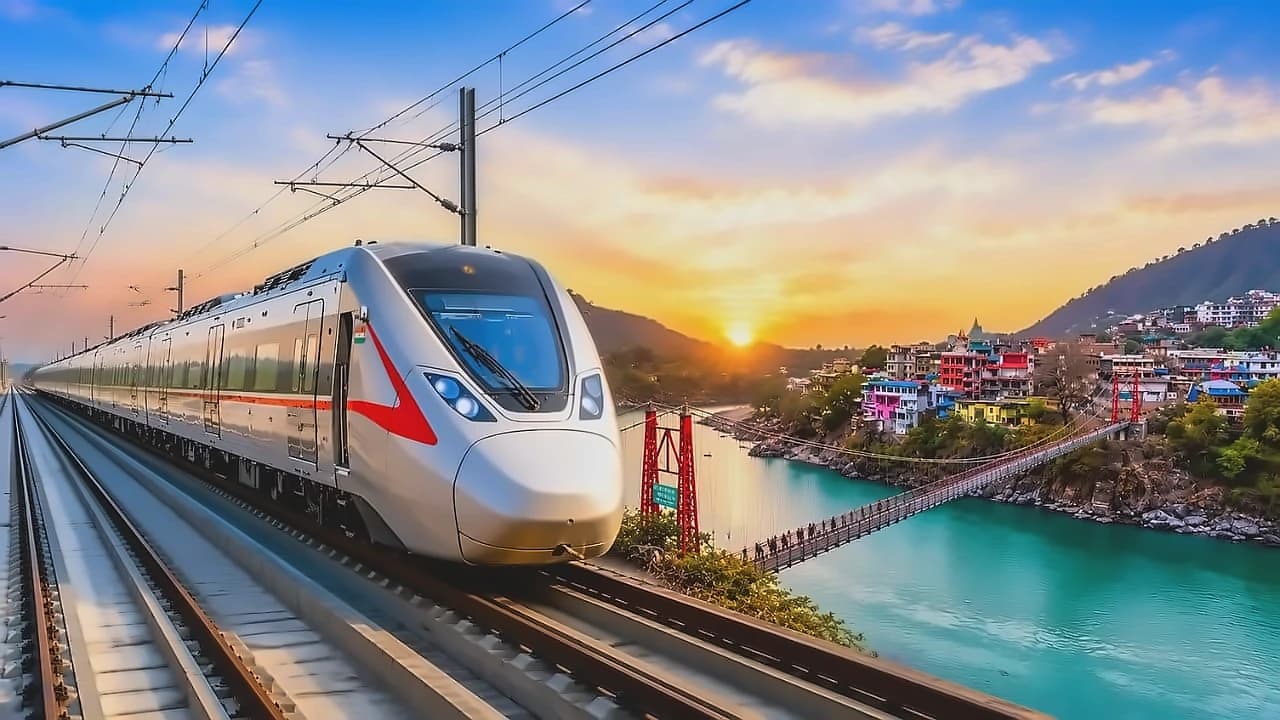
As reported by Times Now, the road trip between Delhi and Rishikesh currently takes 5 to 6 hours, often longer during the Char Dham Yatra rush near Haridwar and Roorkee. The new high-speed train corridor is expected to address these travel challenges by providing a much shorter trip to Rishikesh for commuters and pilgrims. The project aims to provide pilgrims, tourists, and residents with a fast, safe, and modern mode of transportation while creating new employment and development opportunities along the route. Rishikesh is a popular destination for weekend getaways, spiritual retreats, and adventure activities, nestled in the foothills of the Himalayas and attracting thousands of visitors throughout the year. The extension will improve mobility for daily commuters while also transforming tourism across Uttarakhand, boosting tourism, trade, and providing a convenient travel option for pilgrims. With stops planned near Har Ki Pauri and Lakshman Jhula, the new line will essentially connect the capital directly to the heart of the Ganga's spiritual towns.