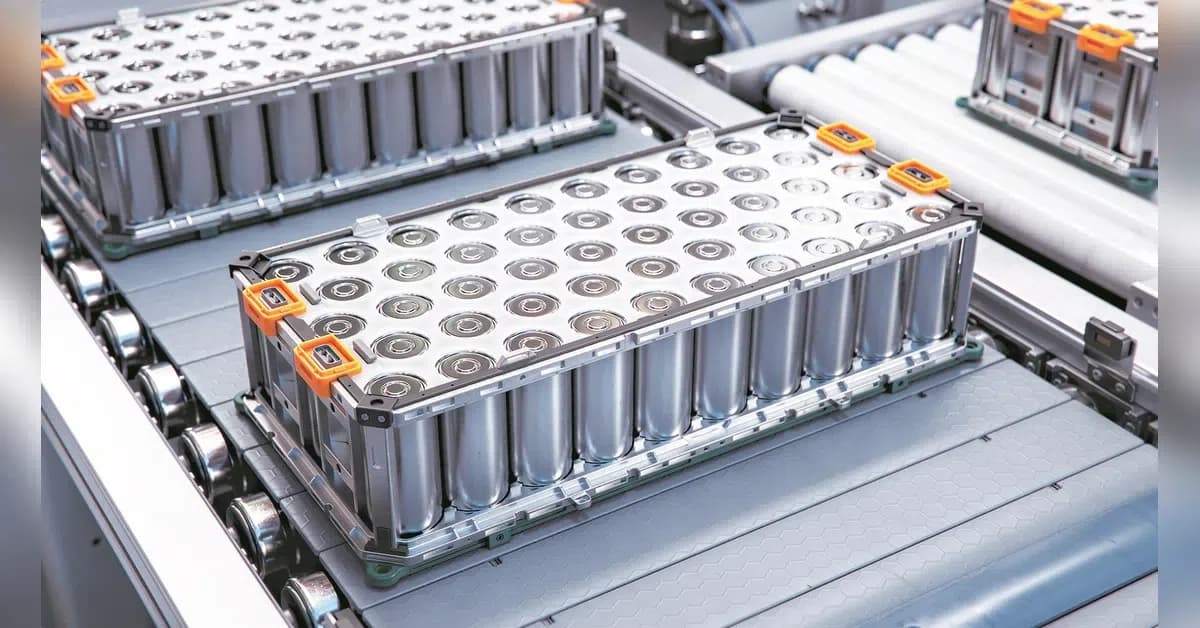
As the government prepares the next phase of PM Surya Ghar Muft Bijli Yojana (PMSGMBY), industry leaders are calling for comprehensive reforms to sustain growth momentum. According to reports from Business Standard, the Ministry of New and Renewable Energy (MNRE) has received proposals for battery energy storage system (BESS) integration with rooftop solar and expansion to rural areas. While consultations are at preliminary stages with no decisions taken yet, the ministry aims to identify implementation challenges and explore measures for long-term RTS ecosystem growth.
Battery storage integration offers multiple advantages for the rooftop solar ecosystem, according to Alekhya Datta, fellow and director at The Energy and Resources Institute (TERI). As reported by Business Standard, batteries can increase solar self-consumption, reduce grid dependence, lower electricity bills, and reduce reverse power flow while moderating local voltage stress. TERI's preliminary assessment indicates that hybrid BESS architecture would be preferable, including household batteries for consumer resilience, community-level batteries for local network management, and utility-scale systems for bulk balancing. The appropriate mix should be determined by feeder conditions, outage levels, solar penetration and local demand patterns.
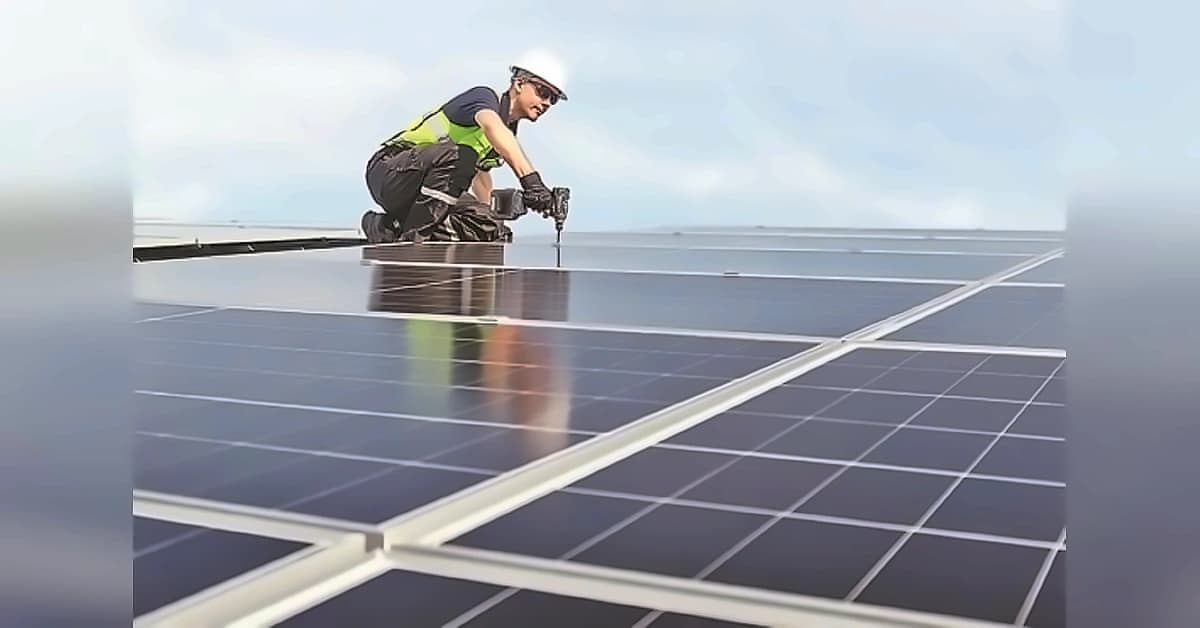
If BESS components are integrated into the scheme, upfront investment could increase substantially, requiring capital support according to Rohit Vijay, associate fellow at CSEP. As reported by Business Standard, support could be linked partly to actual discharge during evening and peak hours when system value is higher. Experts emphasize that financial assistance must be differentiated, with lower-income households requiring higher direct assistance and easier access to the roughly 7% collateral-free loans that already exist. The residential solar market employs about 10-15 lakh people with more than 30,000 vendors specifically in PM Surya Ghar scheme.
The current PM Surya Ghar scheme has achieved significant milestones with ₹75,021 crore outlay targeting 1 crore households by FY27. According to Business Standard, total installations stand at 50 lakh households with 14.8 gigawatts installed capacity, and subsidies of ₹28,024 crore have been released to beneficiaries. Under the utility-led aggregation model, MNRE has sanctioned about 13 lakh RTS installations across 10 states or Union Territories, with the scheme requiring measures such as concessional financing, utility-led aggregation models, and guaranteed backup battery capacity to maintain demand momentum beyond the current targets.
Industry representatives emphasize the critical need for policy stability to maintain market confidence. Shreya Mishra, co-founder of SolarSquare, highlighted during ministry consultations that there were representations about ensuring no discontinuity in the market to restore consumer sentiment. As reported by Business Standard, the residential solar market employs about 10-15 lakh people with more than 30,000 vendors specifically in PM Surya Ghar scheme, making policy continuity essential for maintaining employment and market stability. The objective should gradually move from pure capital subsidy towards affordable finance, performance-linked incentives and payments for measurable grid services to sustain long-term growth.