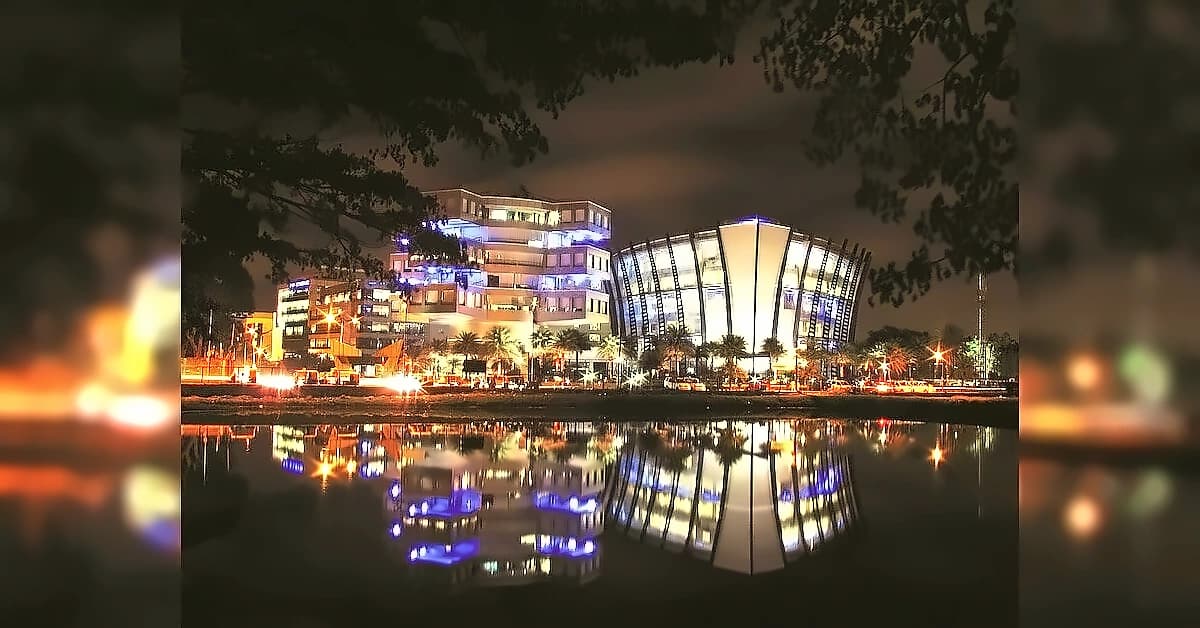
India's office market demonstrated robust performance in Q2 2026, with Bengaluru recording 10.7% year-on-year rental growth, emerging as the fastest-growing city in the Asia-Pacific region according to the Knight Frank APAC Prime Office Rental Index. Delhi-NCR followed at 7.6% growth, while Mumbai achieved 4% rental increases during the quarter. As per Knight Frank India's Shishir Baijal, demand remained healthy despite the elevated leasing base established last year, reflecting India's enduring appeal as a global business destination. The growth was supported by stable vacancy levels despite more than 7 million sq ft of new office completions during the quarter, with flex space operators overtaking financial services as one of the largest occupier groups with over 30% share in leasing volumes across gateway office markets.
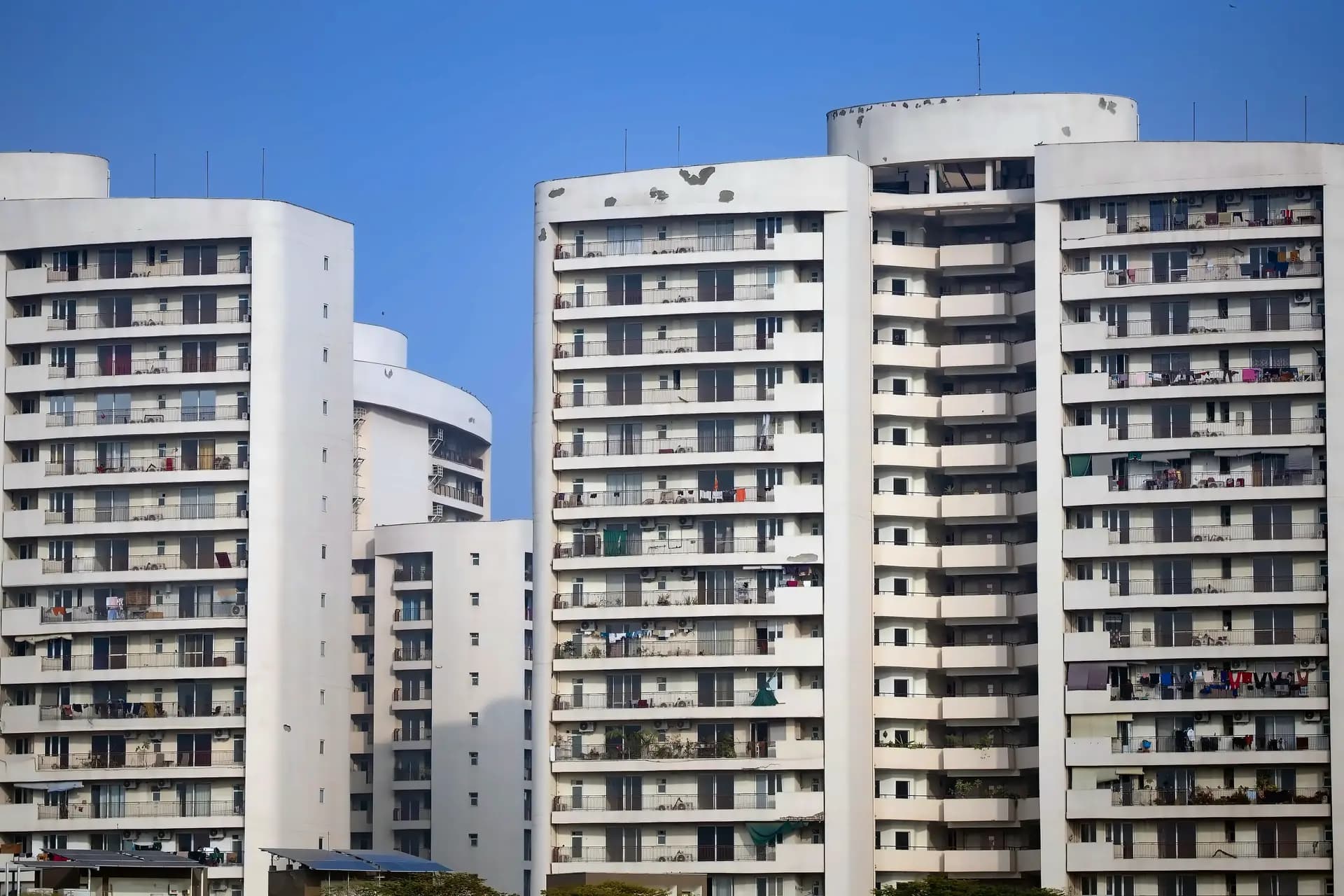
India's urban landscape has evolved dramatically while its legal definitions remain stuck in the past. According to reports from Business Standard, a recent WRI India study for the Economic Advisory Council to the Prime Minister reveals that 7,428 towns of under 100,000 people make up 94% of urban settlements and hold two-fifths of urban Indians. More than half of these towns are not legally classified as towns and remain governed as villages, lacking building bylaws, municipal budgets, and property tax inclusion. The current urban classification test requires at least 5,000 people, 400 people per square kilometre density, and three-quarters of male main workers to be employed outside farming.
India's construction and real estate sector maintained strong momentum through the first half of 2026, with growth across multiple sectors and regions. According to latest reports, infrastructure, global capability centres (GCCs), data centres, healthcare, manufacturing, hospitality and real estate are all experiencing growth, creating one of the strongest development pipelines seen in recent years. In India's data centre sector alone, projects originally scheduled for 2027 are already being delivered, reflecting the pace at which investment is accelerating. India now leads as the fastest-growing office market in APAC and is on track to add more than 60 million ft² of new office supply annually through 2026.

The Economic Survey 2025-26 reveals that doubling the size of an Indian city raises its productivity by about 12%, highlighting the value of urban population density. However, 68% of urban workforce remains informal, moving through cities without being sustained by them. India generates 112 billion litres of wastewater daily, with only 28% treated and 8% recycled for reuse, as reported by Business Standard. Despite door-to-door waste collection reaching 98% of wards, only 884 cities held one star and 12 cities achieved seven stars for garbage-freedom in 2024. Land use remains constrained with Mumbai building at a floor space index of 1.3 against 15 in New York and 25 in Singapore.
Municipal revenues have remained stuck near 1% of GDP for a decade, significantly lower than 7.4% in Brazil and 6% in South Africa, according to Business Standard. The Sixteenth Finance Commission has increased grants to urban local governments from ₹1.55 trillion to ₹3.56 trillion, tied to audited accounts with ₹10,000 crore allocated at ₹2,000 per head for states absorbing peri-urban villages into city governments. The Economic Survey estimates that reuse of treated water alone could generate ₹2.4 to 3.2 trillion by 2047, with over 100,000 jobs attached to this initiative.
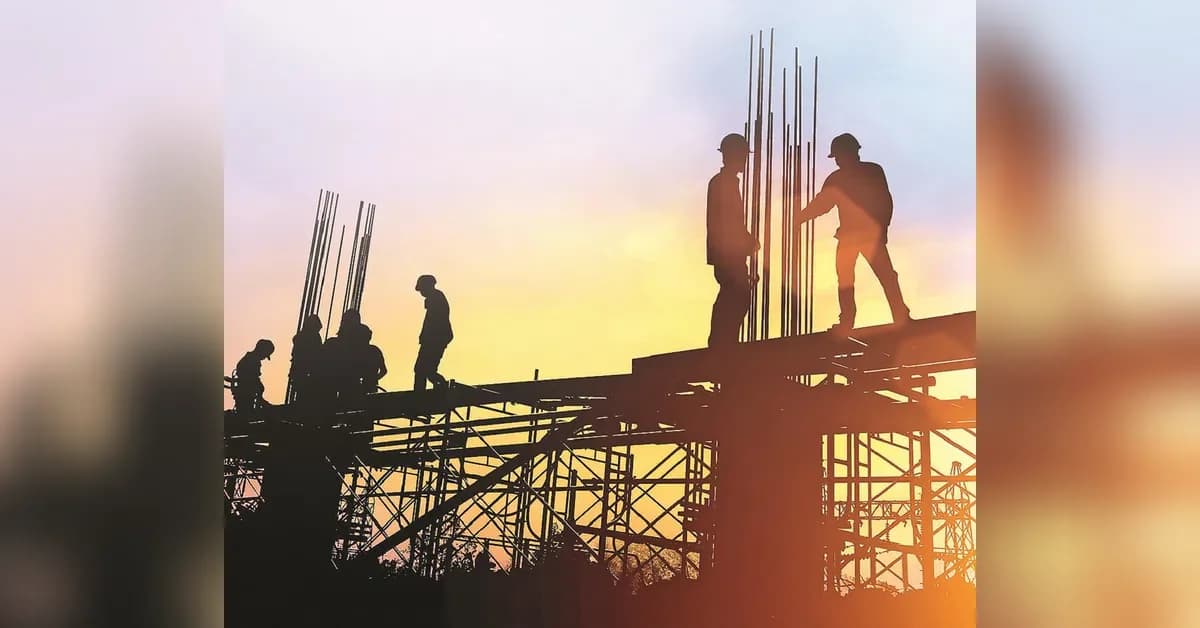
As reported by latest construction market intelligence, across 71 projects reviewed during H1 2026, average labour shortages were in the range of 30-35%, highlighting the scale of delivery challenges. In South India, reduced migration of skilled workers from northern states has added further pressure, affecting productivity and timelines. Lead times for imported equipment packages have extended by two to four weeks compared with earlier expectations. Despite these challenges, India remains one of the world's most active construction markets, with Mumbai maintaining a construction cost of US$667.0 per m² as found in Global Construction Market Intelligence 2026. The analysis emphasizes that India must redefine its cities from bounded settlements to functional regions, focusing on circular, nature-based urban systems rather than linear utilities.