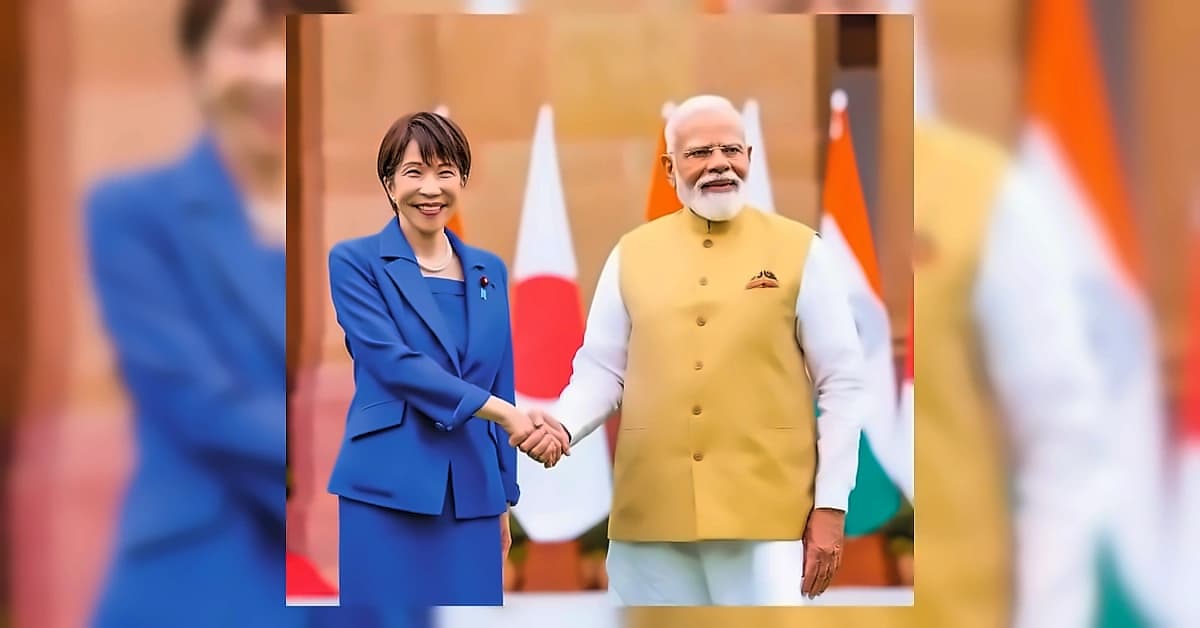
India and Japan have significantly expanded their bilateral cooperation beyond tourism infrastructure, with Prime Minister Sanae Takaichi's first official visit to India (July 1-3, 2026) resulting in comprehensive agreements across multiple sectors. The two countries reaffirmed their Special Strategic and Global Partnership commitment, with Japan expressing willingness to support India's ₹10 trillion investment target and accelerate the review of the India-Japan CEPA to enhance bilateral trade. Prime Minister Modi welcomed Japanese companies to explore opportunities in India's future high-speed rail corridors, with Japan committed to extending necessary cooperation for Mumbai-Ahmedabad High-Speed Rail operations by 2027. The partnership has now evolved to include joint defence equipment development, addressing India's requirement for advanced defence-industrial technology amid concerns over unreliable US and European sources.
India's tourism sector has emerged as a major economic pillar, contributing ₹15.73 lakh crore to the country's GDP in 2023-24, representing 5.22% of the overall economy. According to the India Tourism Data Compendium 2025, the sector supports 36.90 million direct jobs and 47.72 million indirect jobs, collectively accounting for 13.34% of total employment. International tourist arrivals reached 20.57 million in 2024, surpassing the pre-pandemic figure of 17.91 million recorded in 2019, demonstrating the sector's recovery and growth trajectory. The India-Japan partnership has now set a target of 540,000 visitors between the two countries in 2025, with both countries committed to promoting two-way tourism and cultural exchanges.
The partnership has expanded beyond tourism to include significant infrastructure and technology initiatives. Japan has committed to supporting India's 7,000 km national High-Speed Rail network vision through cooperation on future corridors, while the two countries signed a Memorandum of Cooperation on Next-Generation Mobility Partnership. They welcomed the signing of the India-Japan AI Strategic Dialogue and adopted a Joint Statement on AI Cooperation, focusing on trusted AI, digital infrastructure and resilient AI supply chains. The collaboration extends to clean energy projects, including the India-Japan Cooperative Biogas for Growth Initiative targeting 1,000 biogas plants across India, and the landmark clean ammonia project in Odisha under continued government support. The partnership now includes economic security frameworks addressing supply chain resilience, particularly in critical minerals and semiconductors, where Japan's experience with rare earth supply chain challenges since 2010 provides valuable lessons for India.
Both countries have strengthened their economic security cooperation, expressing grave concerns over economic coercion and non-market policies that may disrupt supply chains. They committed to developing key initiatives in semiconductors, critical minerals, information and communication technology, clean energy and pharmaceuticals through the India-Japan Joint Declaration on Economic Security Cooperation. The partnership includes enhanced cooperation on logistics, textiles, food processing, agriculture, automotives and industrial capital goods under the India-Japan Industrial Competitiveness Partnership (IJICP). Japan has recognized the facilitation extended to leading Japanese financial institutions to strengthen their presence in India's banking and non-banking financial sectors. As noted by Business Standard, this economic security framework is particularly vital given the global shift in defence equipment exports, with Japan's new rules allowing lethal weaponry exports to 17 countries, including India.
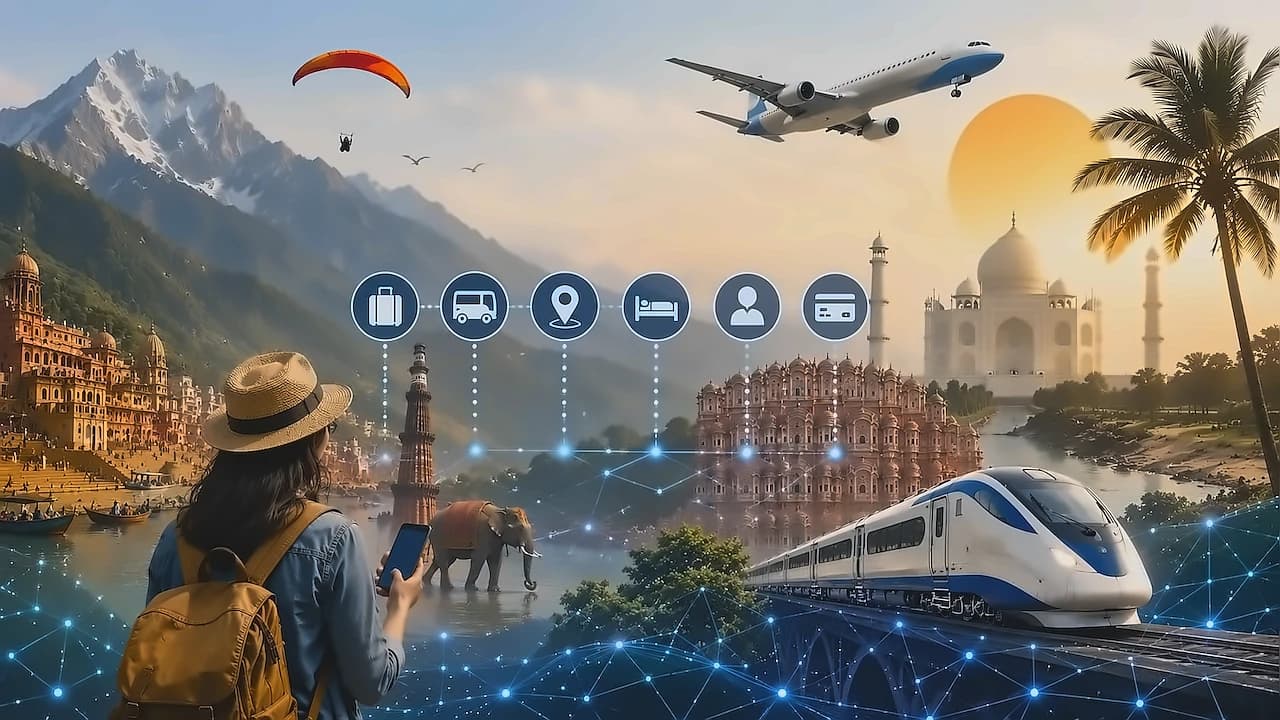
The partnership has significantly enhanced regional connectivity and people-to-people exchanges across multiple levels. Japan has welcomed the establishment of India-Japan Governors' Network for Friendship and Exchange and high-level collaborations between various Indian states and Japanese prefectures. The India-Japan SME Forum has been inaugurated, with Japan expressing willingness to encourage participation of Japanese SMEs and startups in India's market through the Japan-India Startup Support Initiative (JISSI). Both countries have acknowledged the importance of Japanese language education in India, with the Nihongo Partners programme showing progress and the establishment of India-Japan Intellectual Conclave contributing to intellectual and cultural exchanges. As per Business Standard analysis, this partnership becomes increasingly valuable as a force for stability and growth in the region amid increased international uncertainty.