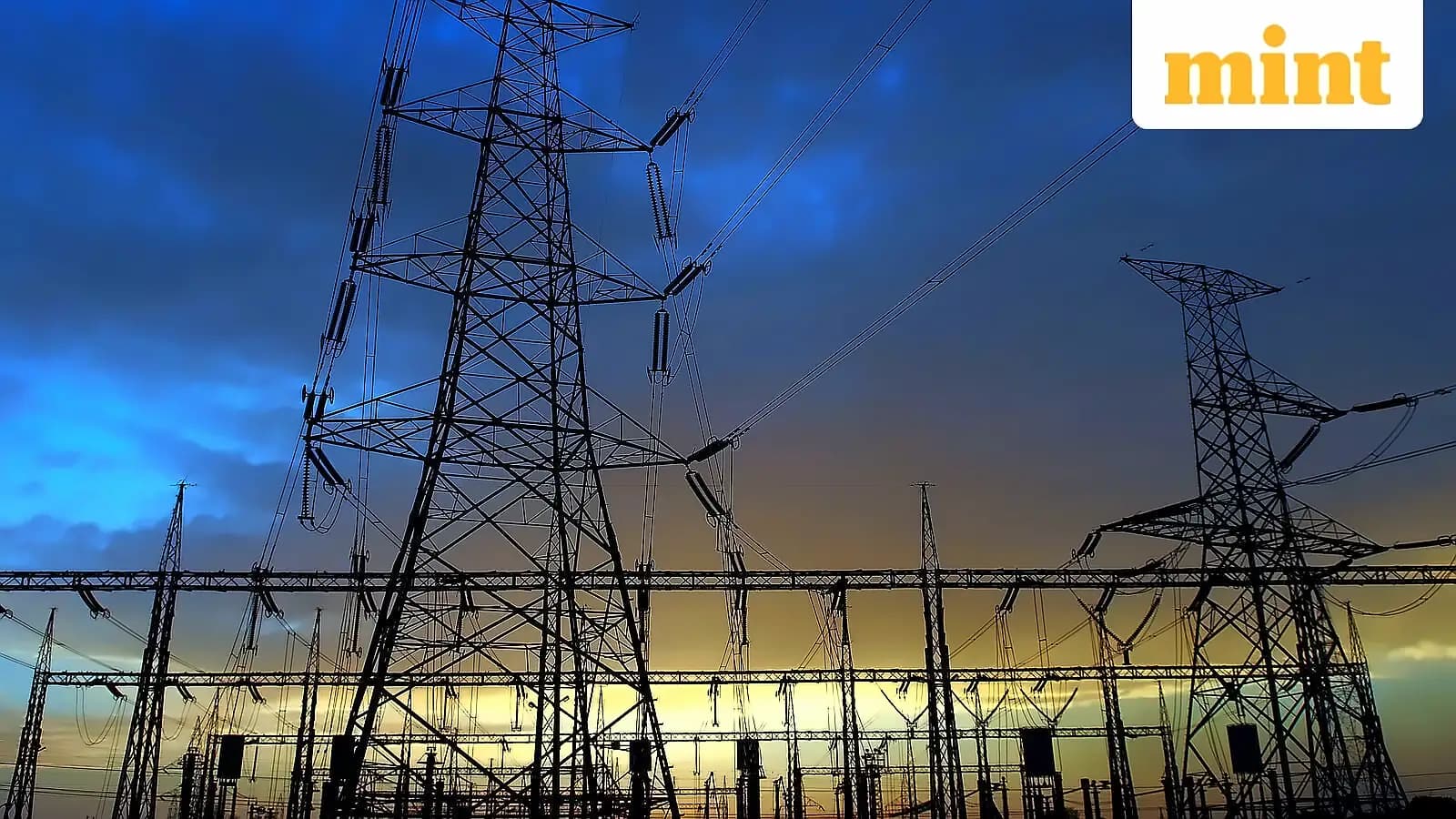
India is experiencing a fundamental shift in its energy landscape through smart grid technology and modern transmission infrastructure. According to reports from Business Standard, this new development model of industrialisation through electrification and renewable energy is powering India's economic growth, contrasting with Western nations and China's historical reliance on fossil fuels for industrialisation before investing in cleaner energy systems. Solar energy combined with battery storage has become significantly cheaper than building new coal plants in India, marking a decisive shift in the country's energy economics.
India's energy generation capacity has expanded rapidly over the last decade, with the government reporting significant improvements in energy supply reliability. As reported by Business Standard, the national energy shortage has significantly improved, with India now having more than 500 gigawatts of installed generation capacity and successfully meeting record peak demand levels of around 250 GW. Government data shows that the gap between energy required and supplied has fallen dramatically from 0.5 per cent in FY2022-23 to nearly zero in FY2025-26, while peak demand shortages have reduced sharply.
Despite generation improvements, India faces significant transmission constraints that require substantial infrastructure investments. According to Business Standard, the government estimates that about 61,411 circuit kilometres of new interstate transmission capacity will be required by FY2029-30 to meet national electricity demand and support renewable energy growth. This expansion is necessary to connect renewable energy hubs in states such as Rajasthan, Gujarat, Ladakh, Tamil Nadu, and offshore wind zones to major consumption centres across the country.
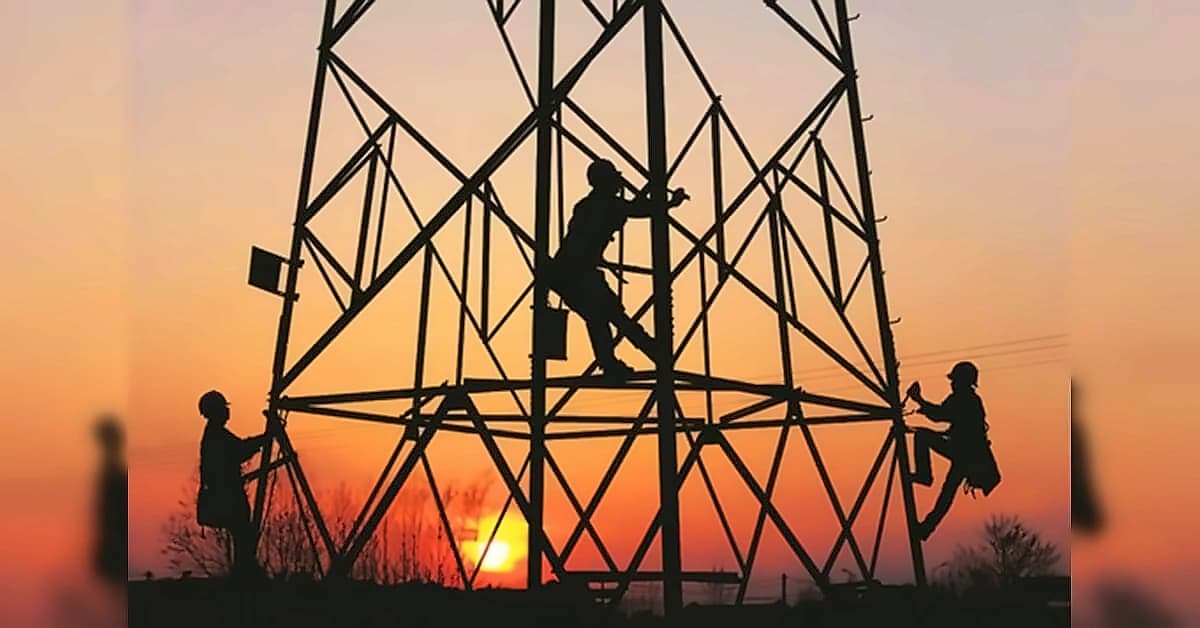
Private transmission players are leveraging emerging technologies to accelerate transmission line investments and address capacity constraints. As reported by Business Standard, Pratik Agarwal, chairperson of Resonia and Serentica Renewables, emphasizes that India has a very large opportunity to become an electro-state and a $100 billion exporter of green electrons. The company uses artificial intelligence (AI) and emerging technologies for constructing transmission lines and managing power quality, with future-ready drone and autonomous-operation capabilities reducing time and cost while improving productivity in challenging terrain.
The transmission infrastructure gap is creating significant challenges for renewable energy deployment. According to Business Standard, 50 GW of renewable energy is stranded in India because transmission lines have not been built quickly enough to connect generation centres with demand centres. The gap is particularly important in intrastate transmission systems. A report by financial consultancy firm InVed estimates that India should invest nearly ₹4.91 trillion ($59 billion) during the 2027–2032 period to expand and modernise its power transmission infrastructure, highlighting the scale of investment required for the country's energy transition.