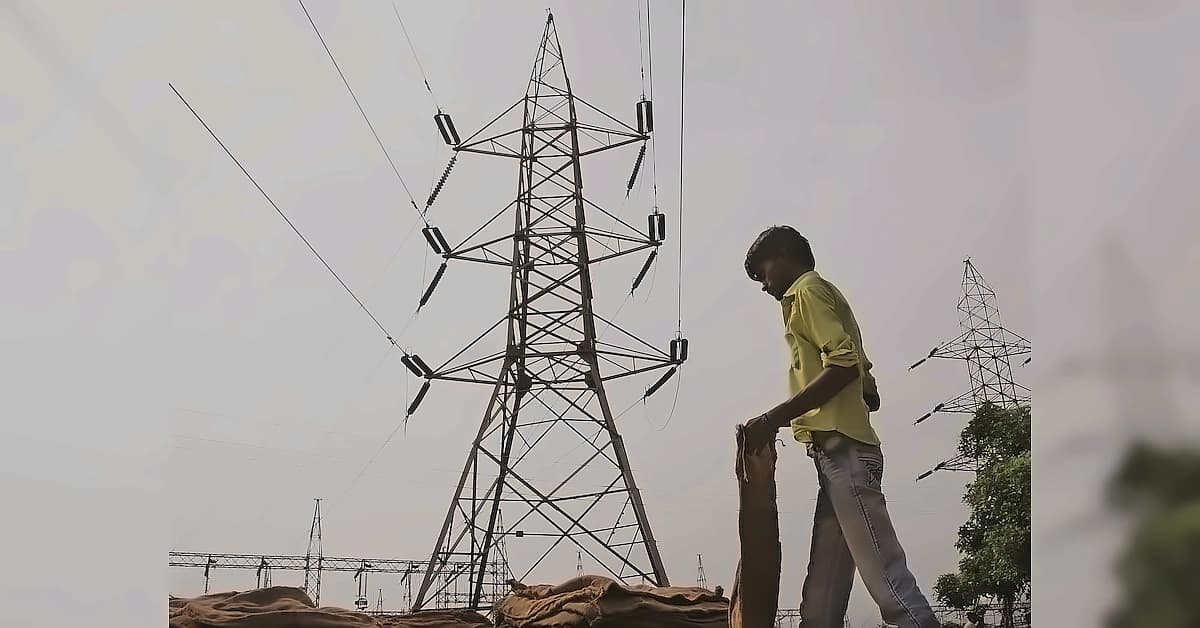
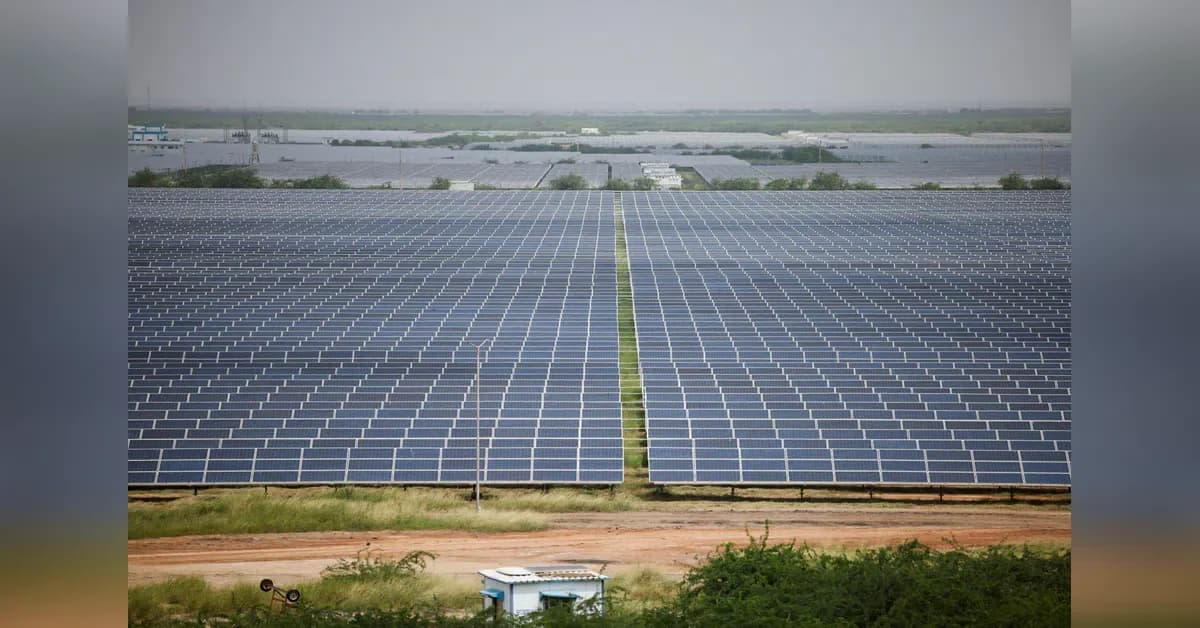
India has achieved remarkable solar growth with 37.9GW of capacity added in 2025, second only to China's 378GW additions, according to Ember data. However, this expansion faces mounting infrastructure challenges as about 11% of solar power generated in India during the hottest months was lost to grid curtailments, even as demand hit record levels. India's transmission system failed to absorb more than 8 billion kilowatt-hours of power in April to June, when 63 billion actually reached the system, with peak curtailment occurring in May during scorching heat waves. The country now has 35.9GW and 24GW of solar capacity respectively in Rajasthan and Gujarat, the largest solar states, with the ACS-ARR gap remaining at 6 paise per unit despite distribution company reforms.
The sector is experiencing a quiet revolution in solar reliability through battery storage solutions that are rewriting solar's traditional daily limits. Energy storage system project tenders rose to more than 100GWh in 2025, with 60GWh specifically for batteries - more than double the previous years, according to the International Energy Agency. Renewables Secretary Santosh Kumar Sarangi warned that projects that are not equipped with battery storage are unlikely to find buyers, with almost 42 gigawatts of planned capacity yet to sign offtake contracts. Among the most at risk are about 18 gigawatts of solar-only projects and another 14 to 15 gigawatts of capacity awarded at high prices. Almost 21 gigawatts of the country's renewable energy projects have only part-time access to the grid, putting them at greater risk of curtailments that are hampering expansion and threatening to slow the energy transition.
India has emerged as the world's most competitive solar market by generation costs, with utility-scale solar projects commissioned in 2025 having a weighted-average levelised cost of electricity (LCOE) of just $35 per megawatt hour, representing an 8% decline on 2024, according to International Renewable Energy Agency (IRENA). This cost competitiveness is driving investment, with India's solar power generation investment rising to $20 billion in 2025, representing annual growth of about 25% over the past five years. The country's solar LCOE is just below China's ($36 per MWh) and Brazil's ($37 per MWh), while far lower than advanced economies like the US ($62 per MWh). As IRENA notes, "Generation cost is only part of the investment picture. The ability to deliver that power reliably to demand has become the more decisive factor."
Despite solar growth, distribution companies continue to face significant financial challenges that predate the renewable energy transition. Discoms recorded AT&C losses of 15.04% in FY25 with outstanding legacy dues of ₹3,300 crore, and the ACS-ARR gap remains at 6 paise per unit. The Revamped Distribution Sector Scheme (RDSS) launched in 2021 links central grants to measurable reform outcomes, emphasising smart metering to improve operational efficiency and reduce losses. The Centre has incentivised reforms by allowing states additional borrowing of up to 0.5% of gross state domestic product (GSDP) if they meet reform targets, with experts suggesting AT&C losses could reach single digits over the next three to four years. These financial challenges persist even as the sector transitions to renewable energy dominance.
Looking ahead, India's energy transition faces the critical challenge of integrating renewable energy with existing infrastructure. Former Secretary Anil Razdan emphasises that technologies must remain environmentally responsible, ensure reliable and continuous supply, remain affordable for consumers and operate on sound commercial principles. The government will need to increase renewable energy integration to reduce energy intensity, while addressing concerns about changing rainfall patterns affecting irrigation and hydropower stations. The sector's growth will depend on fixing distribution issues, strengthening grid flexibility, and ensuring the energy transition remains reliable, affordable and sustainable. With solar now accounting for 50% of India's power generation capacity from non-fossil-fuel sources in 2025, five years earlier than its 2030 target, the focus shifts to ensuring this clean energy can reach demand reliably through improved grid infrastructure and storage solutions.