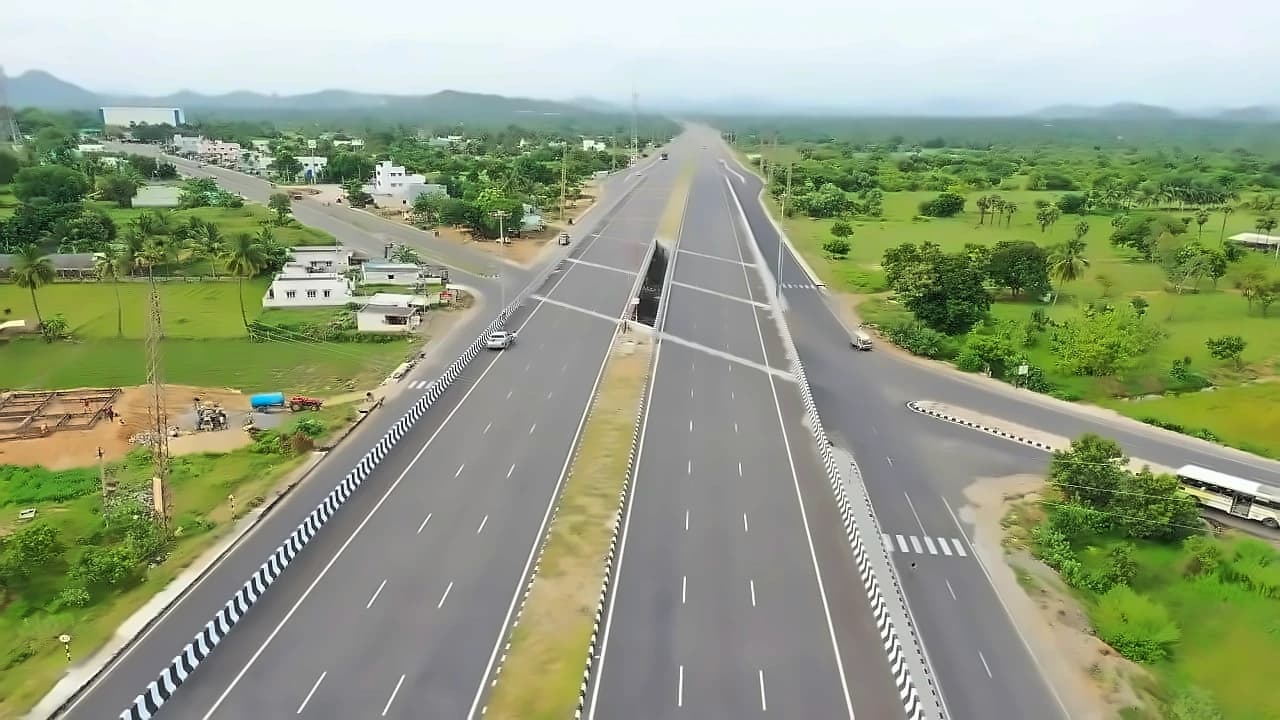
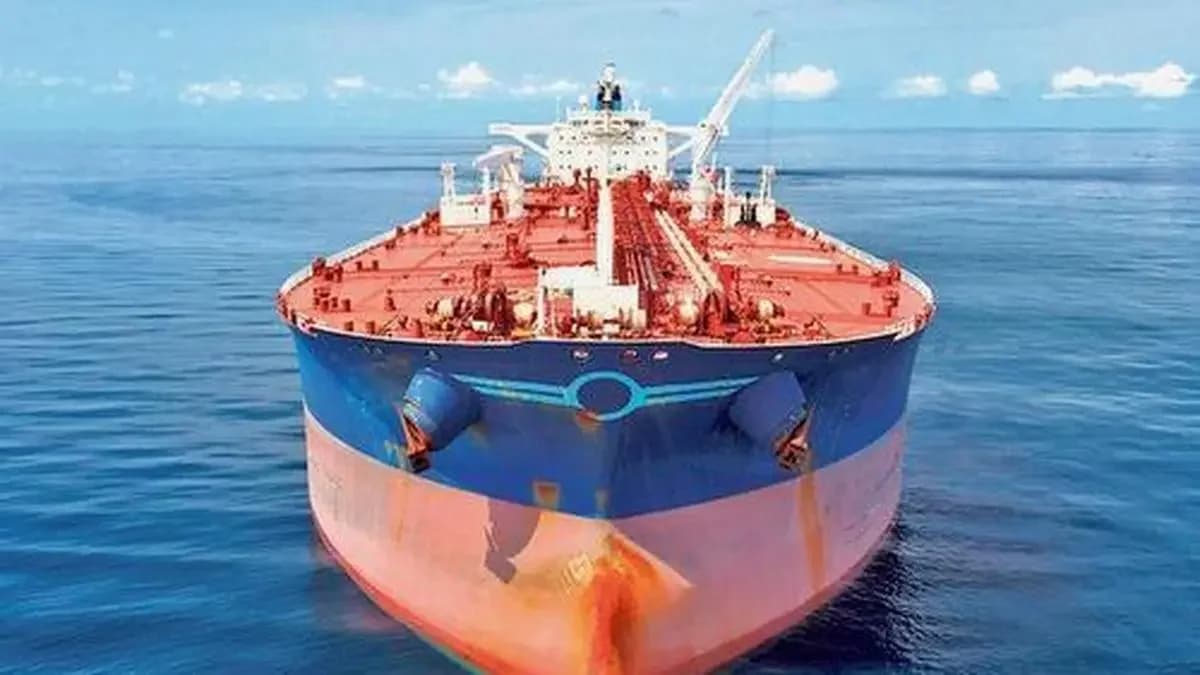
India's fuel exports plunged 31% year-on-year in May to their lowest level in nearly four years, with outbound shipments averaging about 930,000 barrels a day - the lowest since October 2022. The decline reflects the combined impact of the Iran war, refinery maintenance shutdowns, and a strategic shift toward higher liquefied petroleum gas production. Asia's energy crisis has intensified with oil imports plunging 30% in April compared to the previous year, reaching their lowest levels since October 2015 after two months of near-closure of the Strait of Hormuz. The Asian Development Bank has cut its growth forecast for developing Asia and the Pacific to 4.7% this year and 4.8% in 2027, down from 5.1% previously, while lifting its inflation outlook to 5.2% for this year.
Part of India's export decline stems from a strategic production switch to higher liquefied petroleum gas, which is politically sensitive as it serves millions of consumers for cooking. India's refiners increased LPG production to a record 52,000 tons a day in May, representing a 50% increase from a year ago, according to Kpler modeling and refining manager Sumit Ritolia. Refiners adjusted product yields to increase LPG production by an estimated 80,000 bpd, reducing output of petrol and diesel by the same amount. Gasoline and gasoil exports saw the largest impact from this shift, as LPG is used by millions of consumers and India imported about 90% of its LPG needs from the Middle East prior to the war. New Delhi also imposed an export tax on gasoline for the first time in four years, further weighing on overall exports. The conflict has led to the near-closure of the crucial Strait of Hormuz, choking off flows of crude and fuels to global customers including India.
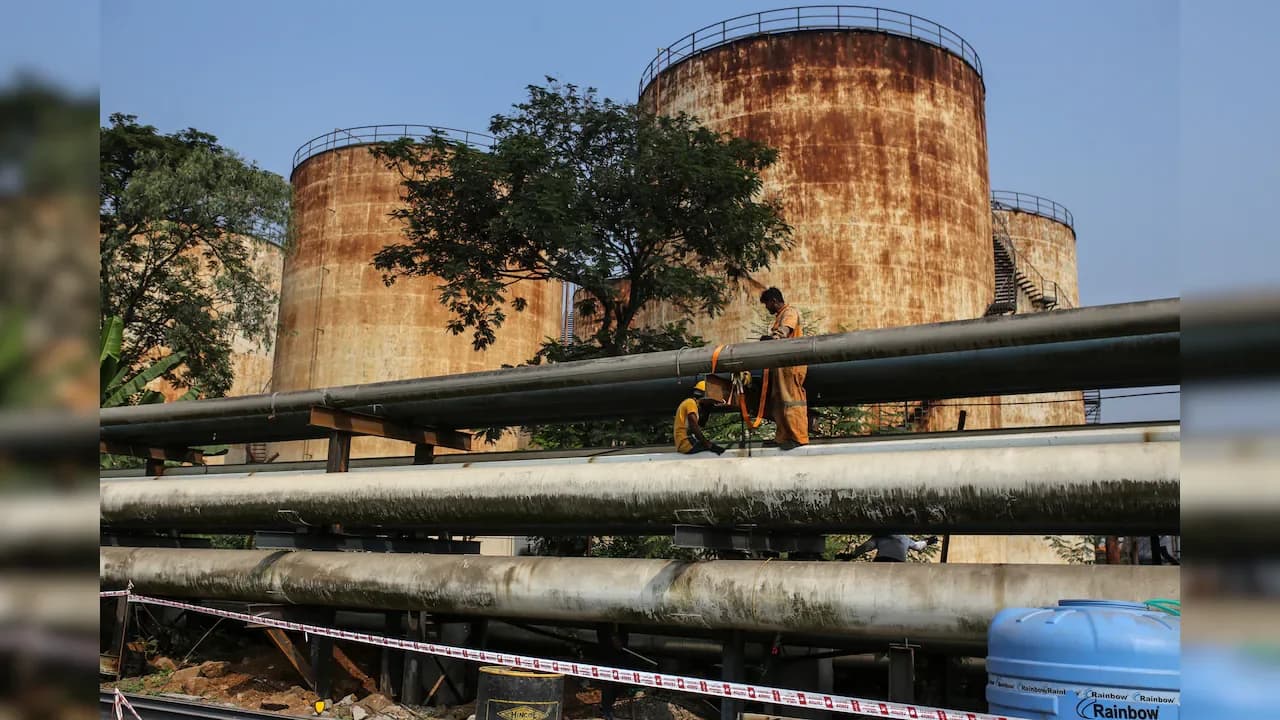
Reliance Industries, India's biggest fuel exporter, diverted some fuels typically shipped overseas to the domestic market after planned maintenance at its Jamnagar refining complex, India's largest refinery and a major exporter of refined fuels. The maintenance programme reduced crude processing rates and limited the availability of export volumes during the month. The massive facility is primarily geared toward serving the local market. Reliance exported 746,000 bpd during the period, with the rest distributed among Indian Oil and MRPL among others, compared to 946,000 bpd of overseas fuel sales by Reliance a year earlier, accounting for 74% of total exports. The slump in exports significantly affects Reliance Industries, which accounted for 88% of India's fuel exports in May.
The export slump coincided with sharp increases in fuel prices globally, with petrol averaging $131 per barrel in May and diesel $150 on free-on-board basis, compared to $75 and $76 per barrel a year earlier respectively, according to price data from PPAC. The government imposed a windfall gains tax of ₹1 per litre effective June 1 on petrol exports, compared to ₹3 per litre in the previous fortnight, and reduced the levy on diesel to ₹13.5 per litre from ₹16.5 per litre and on jet fuel to ₹9.5 per litre from ₹16 per litre. India's state-dominated refining sector has kept fuel prices steady despite surging crude costs, losing about 100 rupees ($1.06) a litre on diesel and 20 rupees on gasoline.
Asia's emerging market currencies have fallen furthest against the dollar compared with global peers, with the Philippine peso dropping more than 5%, the Thai baht and rupee more than 3% each, and the rupiah more than 2.5% since the war started in February. By contrast, China's yuan is the region's top performer, up 0.8% against the dollar, while Japan has intervened to push up the yen to stand 0.4% higher than pre-war levels. South Asian economies of Pakistan, Bangladesh and Sri Lanka are the most vulnerable to the energy crunch burdens, according to S&P Global Market Intelligence, which noted that these countries use more of their resources on subsidising domestic public energy enterprises and shielding final consumers from energy price shocks.