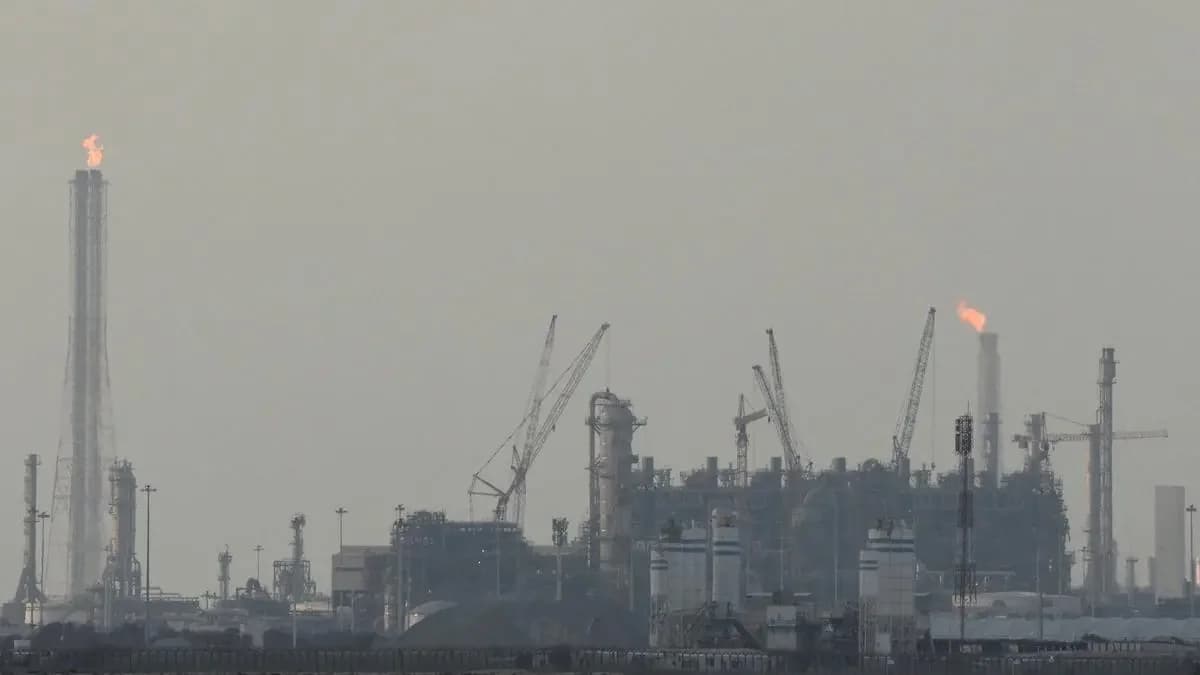
The Grid Controller of India (Grid India) has advised gas-based power stations to plan fuel procurement arrangements, with the latest advisory indicating an additional gas generation requirement of 2.6 GW for 7-8 days in June. This represents a significant escalation from the previous 5 GW capacity estimate amid concerns over supply disruptions. The situation has been significantly complicated by the conflict in West Asia, which has cast a shadow over fuel availability for gas-based power plants. According to officials, only about 5 GW of gas-based generation capacity is currently available amid concerns over supply disruptions. The government has moved to prioritise gas allocation to certain sectors during periods of shortage, making the situation more challenging than anticipated.
India has rapidly expanded its renewable energy capacity over the past decade, with solar and wind emerging as key pillars of its clean energy transition. As reported by The Indian Express, this summer, renewable energy met a significant share of India's record daytime electricity demand, with solar alone supplying around 22 per cent of power during the country's first-ever 256 GW demand peak in April. Despite this growth in renewable capacity, Grid India's advisory indicates that grid operators still need flexible generation sources to maintain stability, with gas accounting for only a small share of India's overall generation mix but playing a crucial rebalancing role during evening peak hours.
The current situation presents unique challenges for grid balancing compared to previous years. With forecasts of below-normal monsoon rainfall, hydroelectric stations are conserving water in their reservoirs, which serve both power generation and irrigation. This conservation reduces their flexibility to ramp up generation during evening peak hours, increasing the need for gas-fired power plants to bridge the gap during periods when solar output drops after sunset while electricity demand typically rises in the evening. As an official explained, "Until the monsoon gains momentum in July, the priority is to preserve water levels. That is why the requirement for additional gas-based generation has become more important."
India's gas-based power sector faces significant challenges in fuel availability and affordability, with the conflict in West Asia disrupting supplies under long-term import contracts. According to data from the Indian Gas Exchange (IGX), power sector companies purchased 13,92,500 million Metric Million British Thermal Units (MMBtu) of natural gas between June 1 and June 23, compared with virtually no purchases during the same period last year. Between April 1 and May 31, spot-market purchases by power companies jumped 340.4 per cent year-on-year to 45,07,850 MMBtu. The surge in demand has come despite significant price increases, with average spot gas prices rising 43.5 per cent year-on-year in April (₹1,606 per MMBtu) and 77.5 per cent in May (₹1,857 per MMBtu), reflecting the impact of tighter global supplies.

Grid India's advisory will be reviewed in late June 2026, with an updated outlook to be provided if required. The assessment is based on projected demand, planned and forced outages of generating units, hydro availability, renewable generation profiles, and present weather information available at the Indian Meteorological Department (IMD). This year's situation stands in contrast to last year, when hydroelectric power played a crucial role in meeting evening peak demand, but forecasts of below-normal monsoon rainfall have altered the equation. The growing reliance on gas-fired generation highlights the need for storage, flexible generation, better forecasting and demand management to ensure clean power remains reliable during the challenging monsoon season.