India's domestic coal-based power plants have reached a critical crisis with 45 power plants now operating with critically low coal inventories, according to the latest government data as of August 25. These plants have coal stocks below 25% of their required inventory or sufficient coal to generate power for less than three days. The number of affected plants has sharply increased from 31 at the end of July, with 40 of the affected plants being domestic coal-fired facilities. This represents a significant deterioration from the 28.36 million tons reported on August 24, providing only 9.7 days of cover - half the normative requirement of 19.4 days. The current situation marks the lowest coal inventory level in four years, highlighting the severity of the supply security crisis across India's thermal power sector.
The current coal shortage represents a significant decline from previous years' inventory levels. According to BigMint commodities consultancy, coal stocks at power plants fell 19% from end-July levels, with current stocks at 30.95 million tons - equivalent to around 10 days of operational requirement compared to 12 days in July. The August 25 level was a four-year low, only marginally above the 28.11 MT recorded in 2022. Historical data shows stocks stood at 29.55 MT in 2023, 37.52 MT in 2024 and 48.18 MT in 2025. Heavy monsoon rains have significantly disrupted coal supply chains through multiple channels, with heavy rainfall in Odisha, Jharkhand and Chhattisgarh - key coal-rich states - hitting mining operations and slowing fuel transportation for power plants. The main bottlenecks include insufficient railway rakes and unloading facilities that are unable to keep pace with demand.
The coal shortage coincides with India's weakest monsoon season since 2009, with 12% less rainfall than normal so far this monsoon season. As reported by Reuters, the uneven El Nino-linked rainfall has driven up electricity demand, particularly for air-conditioning during hotter-than-usual weather. An official at NTPC, the country's largest thermal power producer, told Reuters that the uneven monsoon has driven power demand, but coal supplies are running hand-to-mouth, with some plants requiring five to six rakes but receiving only half that number. With hydropower generation down and electricity demand remaining elevated this year, India is relying even more heavily on coal, which currently accounts for about two-thirds of generation. The June-September monsoon is a key test for coal supplies to power plants, as heavy rains can disrupt mining, coal evacuation and railway movement, putting pressure on inventories just as thermal plants may need to maintain generation to meet demand.
Asian power markets face successive periods of tighter electricity supply and stronger demand as a potential Super El Niño develops, with pressure expected to move across countries from late 2026 into the first half of 2027. According to Wood Mackenzie research, the weather event is already matching the intensity of spring 2015 despite starting later in the year, and is expected to surpass the 2015-2016 and 1997-1998 events to become the strongest El Niño on record. Sea temperatures in the eastern Pacific are expected to reach about 3.5 degrees Celsius above normal by October, making the current El Niño officially a super El Niño because the definition is above 2.5 degrees Celsius. The impact will vary by market, with China, Vietnam, Australia, and New Zealand facing sharper risks than India, where coal could absorb much of the additional demand. China is expected to reach 1,575 to 1,600 gigawatts of peak demand between July and September, while Japan, South Korea, and Taiwan are expected to peak in August, and Vietnam's peak demand is about 58 GW. A positive Indian Ocean Dipole could intensify the drying effect by drawing rainfall away from Southeast Asia, creating additional supply constraints for regional power grids.
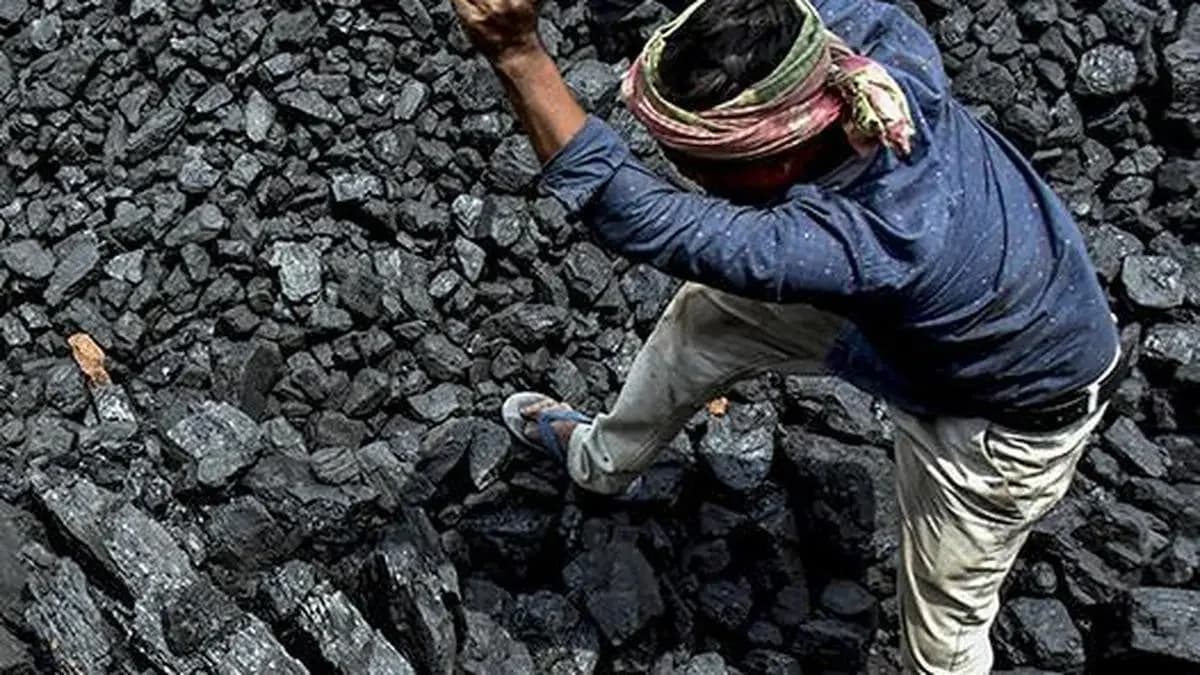
The power ministry has responded to the supply crisis by asking some coal-fired power plants to delay planned maintenance of units until the supply situation becomes clearer, according to a senior ministry official. The sources could not be named because they were not authorized to speak to the media. The maintenance delays highlight the severity of the coal shortage, as power plants typically schedule maintenance during periods of adequate fuel supply to minimize operational disruptions. The CEA's plant-level remarks point to supply and logistics constraints, rather than a shortage of coal production, as some immediate reasons for the low stocks. Several plants have flagged issues related to railway rake availability, unloading constraints and delays in lifting coal from captive mines. At some plants, the CEA has also flagged coal lying at ports or in transit and asked generators to clear the material. The current situation underscores the vulnerability of India's thermal power sector to weather-related supply disruptions and the critical importance of maintaining adequate coal inventories for reliable power generation.