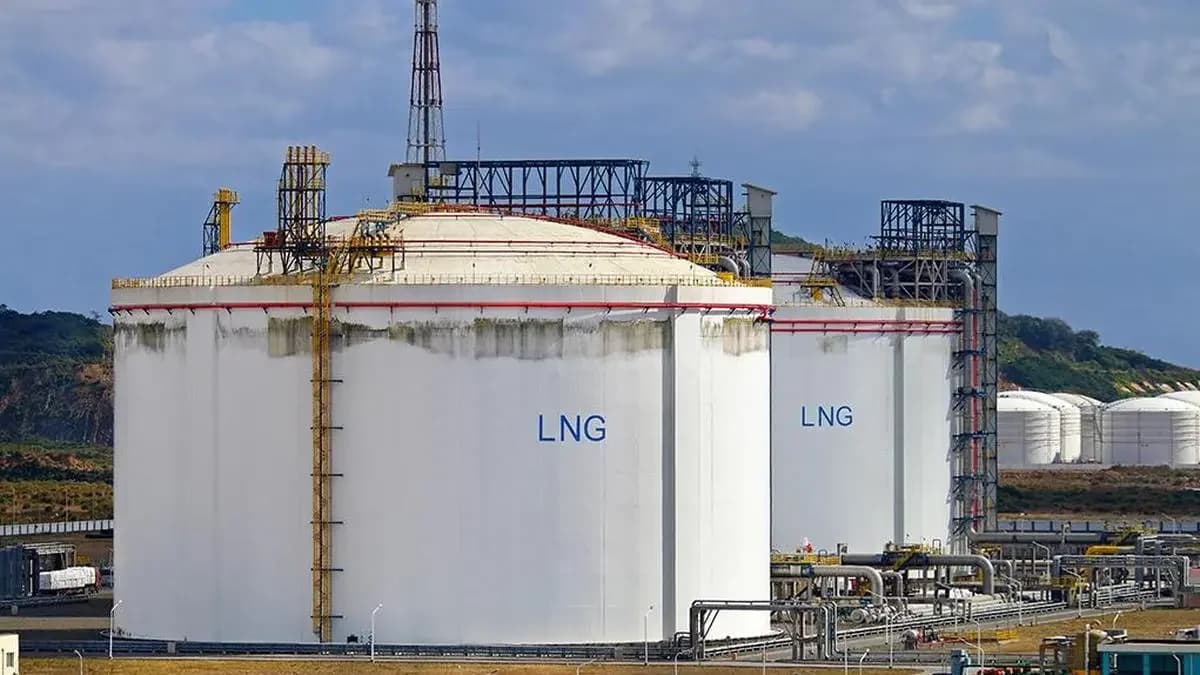
India's power generation companies have quadrupled their natural gas purchases from domestic sources over the past couple of months to meet surging power demand from searing summer heat. According to Business Standard, the Indian Gas Exchange sold 4.5 trillion British Thermal Units to power firms from April 1 through May 26, representing an almost 350% jump from the same period a year earlier. The nation has used gas-fired power capacity to help meet the demand surge during the hot nights, though the war in Iran has pushed up prices and made the fuel harder to buy than in previous years. Companies paid an average ₹1,769 ($18.55) per million Btu to buy the fuel from the bourse during the April-May period, about 64% more than a year earlier, as reported by IGX data.
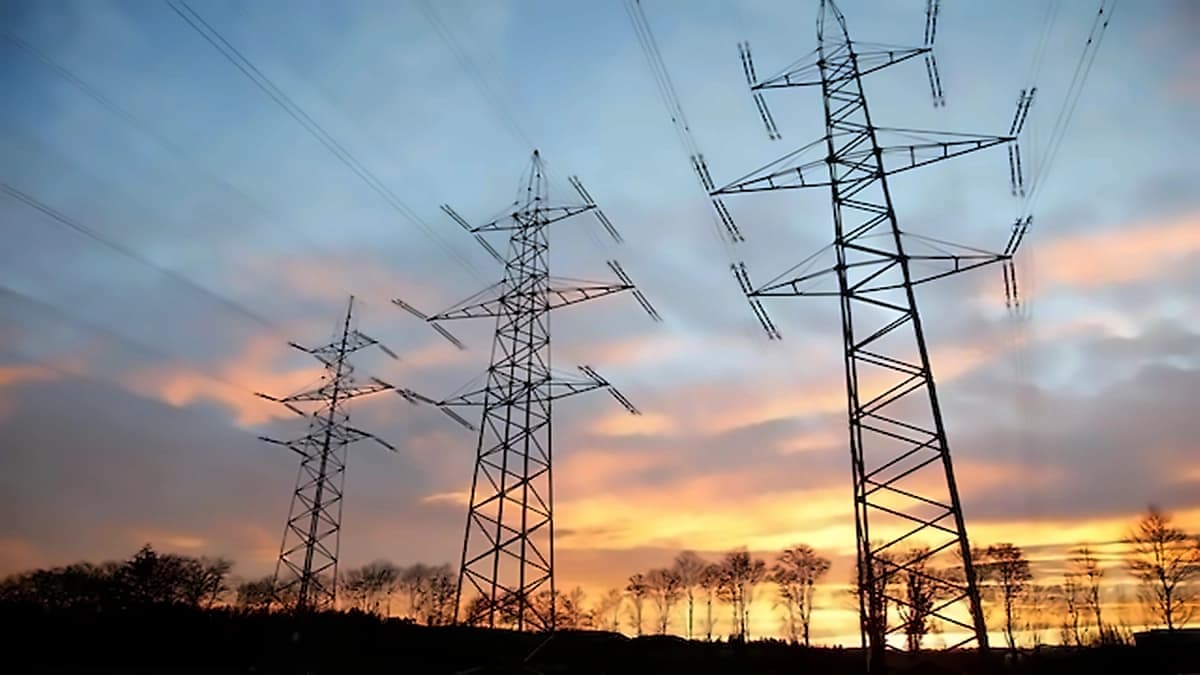
The extreme heat is driving power consumption to repeated records, not only during the day but at night, resulting in occasional shortfalls. As reported by Business Standard, India has experienced a daily supply shortfall of as much as 5 gigawatts this season, enough to power some 3 million low-income households. Blackouts have affected several parts of the country, from Delhi in the north to Chennai in the south, with evening supplies far more stressed than daytime demand. The Iran war has hampered liquefied natural gas supplies and reduced gas power plant utilization, forcing India to buy fuel on the spot market to meet peak demand. According to Business Standard, natural gas still accounts for just 2% of India's electricity mix, with the country having about 20 gigawatts of gas-fired capacity, which is mostly used as a reserve to meet demand surges in the evenings. This summer, less than half that capacity has been utilized due to shortages of gas.
Summer forecasts are pointing to higher-than-normal temperatures across Asia, with an El Niño weather pattern expected to emerge from June to August and strengthen in subsequent months. According to Atmospheric G2, the average temperature in Japan is expected to be around 1.5°C (2.7°F) above normal, while South Korea and much of China will see smaller anomalies of 0.5°C to 1°C above average. From June through August, southern and southwestern China — home to the country's biggest LNG importers — has a high chance of temperatures in the top 20% of historical records. The El Niño typically suppresses rainfall over India and much of maritime Southeast Asia, while bringing wetter conditions to central and southern China through autumn and winter.
The problem extends beyond climate change to urban heat islands created by concrete structures in densely packed neighborhoods. According to Business Standard and NDTV, more than half of extreme heat in Indian cities is driven by rapid concretisation and expanding road networks. This phenomenon causes concrete to absorb daytime solar radiation and slowly release trapped heat at night, pushing indoor temperatures above outside readings. The poorest areas of Indian cities, where inhabitants often work outdoors by day, struggle to recuperate in the evening. As per NDTV, climate change is driving baseline temperatures higher, but the way we build our cities is what traps that heat.
The sustained high temperatures through the night are becoming a bigger cause of heat exhaustion than daytime heat, particularly affecting those without access to adequate water and consistent, affordable cooling. According to NDTV, climate change is driving baseline temperatures higher, but the way we build our cities is what traps that heat. For those with limited cooling options, the most common solution is to stay out as long as possible, leaving the elderly, pregnant women, young children and outdoor workers particularly vulnerable. The infrastructure deficit becomes lethal for those without access to active cooling, with indoor heat receiving less policy attention than outdoor heat. As per NDTV, outdoor heat gets all the policy attention, but indoor heat is where the infrastructure deficit becomes lethal, especially for those without access to active cooling.