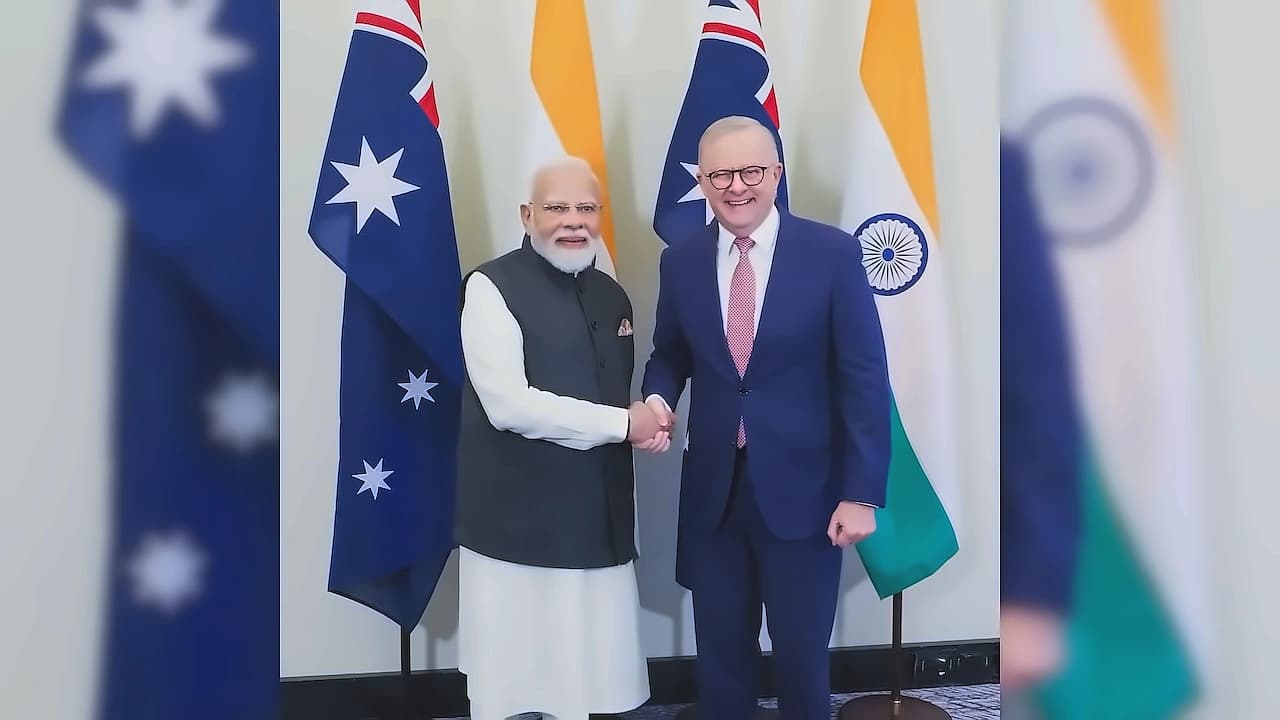
Canadian Prime Minister Mark Carney has confirmed that India and Canada are making good progress in trade negotiations and are now targeting to conclude talks by the G20 summit in mid-December. Speaking at a news conference on Tuesday on the sidelines of the UN General Assembly, Carney stated that he and Prime Minister Narendra Modi have committed to try to conclude negotiations by the G20 summit. The G20 summit is scheduled for December 14-15 at Trump National Doral in Florida, creating a definitive timeline for the comprehensive economic partnership agreement discussions. This accelerated timeline represents a significant advancement from the original target of end of 2026, with both countries having resolved to fast track negotiations in view of the ambitious new deadline. As reported by Business Standard, Carney emphasized that 'We are making good progress in our trade negotiations with India' and that the two leaders have made this commitment. The comments come as New Delhi and Ottawa have accelerated negotiations for a Comprehensive Economic Partnership Agreement (CEPA).
Prime Minister Narendra Modi's visit to Canada is now confirmed, with Carney stating that India had confirmed Modi would visit Canada around the time of the G20 summit, though the precise date has not been finalised. This development comes as part of the broader economic rapprochement between the two countries. Carney's visit to India earlier this year was the first bilateral visit by a Canadian prime minister since 2018, marking a significant milestone in rebuilding diplomatic ties. The visit follows a deep diplomatic rupture over the 2023 killing of Canadian Sikh activist Hardeep Singh Nijjar in British Columbia, when former Prime Minister Justin Trudeau said there were credible allegations linking agents of the Indian government to Nijjar's killing. India denied involvement and accused Canada of harbouring Sikh separatists. As reported by Business Standard, Carney has moved quickly to rebuild ties, with his visit to India being the first bilateral visit by a Canadian prime minister since 2018.
December is set to be a busy month for Prime Minister Narendra Modi with multiple diplomatic engagements planned. According to Business Standard, Modi is slated to attend the G20 Summit in Florida, United States, and also visit Canada and Brussels, the headquarters of the 27-member EU bloc in Belgium. The Ministry of External Affairs has yet to announce the PM's detailed itinerary for these visits, though sources confirm the planned schedule. Modi's visit to Russia for the India-Russia annual summit is also in the works. This comprehensive diplomatic push reflects India's strategic approach to finalizing multiple trade agreements simultaneously, with the India-Canada CEPA and India-European Union FTA both set to be finalised in December.
Commerce and Industry Minister Piyush Goyal announced that the next round of negotiations will begin on October 5 and may continue until October 9, with the fourth round of negotiations concluding in New Delhi on September 18. Goyal described the next 90 days as a ''very defining period'' in the Canada-India relationship as both sides seek to conclude the negotiations by the end of this year. The bilateral trade relationship between India and Canada is set for significant expansion, with two-way trade reaching USD 30.4 billion in 2025 and an ambitious target of doubling to USD 50 billion by 2030. India's major exports to Canada include pharmaceuticals, iron and steel, seafood, cotton garments, electronic goods and chemicals, while key imports from Canada include pulses, pearls and semi-precious stones, coal, fertilisers, paper and crude petroleum. India's services exports to Canada are led by telecommunications, computer and information services, and other business services. The comprehensive trade agreement is expected to provide substantial benefits to both economies, with the negotiations progressing through the fifth round scheduled for October 5.
The bilateral trade relationship between India and Canada is set for significant expansion, with two-way trade reaching USD 30.4 billion in 2025 and an ambitious target of doubling to USD 50 billion by 2030. As reported by Business Standard, India's major exports to Canada include pharmaceuticals, iron and steel, seafood, cotton garments, electronic goods and chemicals, while key imports from Canada include pulses, pearls and semi-precious stones, coal, fertilisers, paper and crude petroleum. India's services exports to Canada are led by telecommunications, computer and information services, and other business services. The comprehensive trade agreement is expected to provide substantial benefits to both economies, with the negotiations progressing through the fifth round scheduled for October 5. The two countries are trying to diversify their trade to manage the disruptions caused by Trump's policies, with India facing the fresh prospect of the US levying a tariff of as much as 100 per cent on it for its purchases of Russian oil. Carney's strategy reflects his broader goal to double Canada's non-US trade over the next decade and reduce dependence on the United States as relations deteriorate under President Donald Trump.