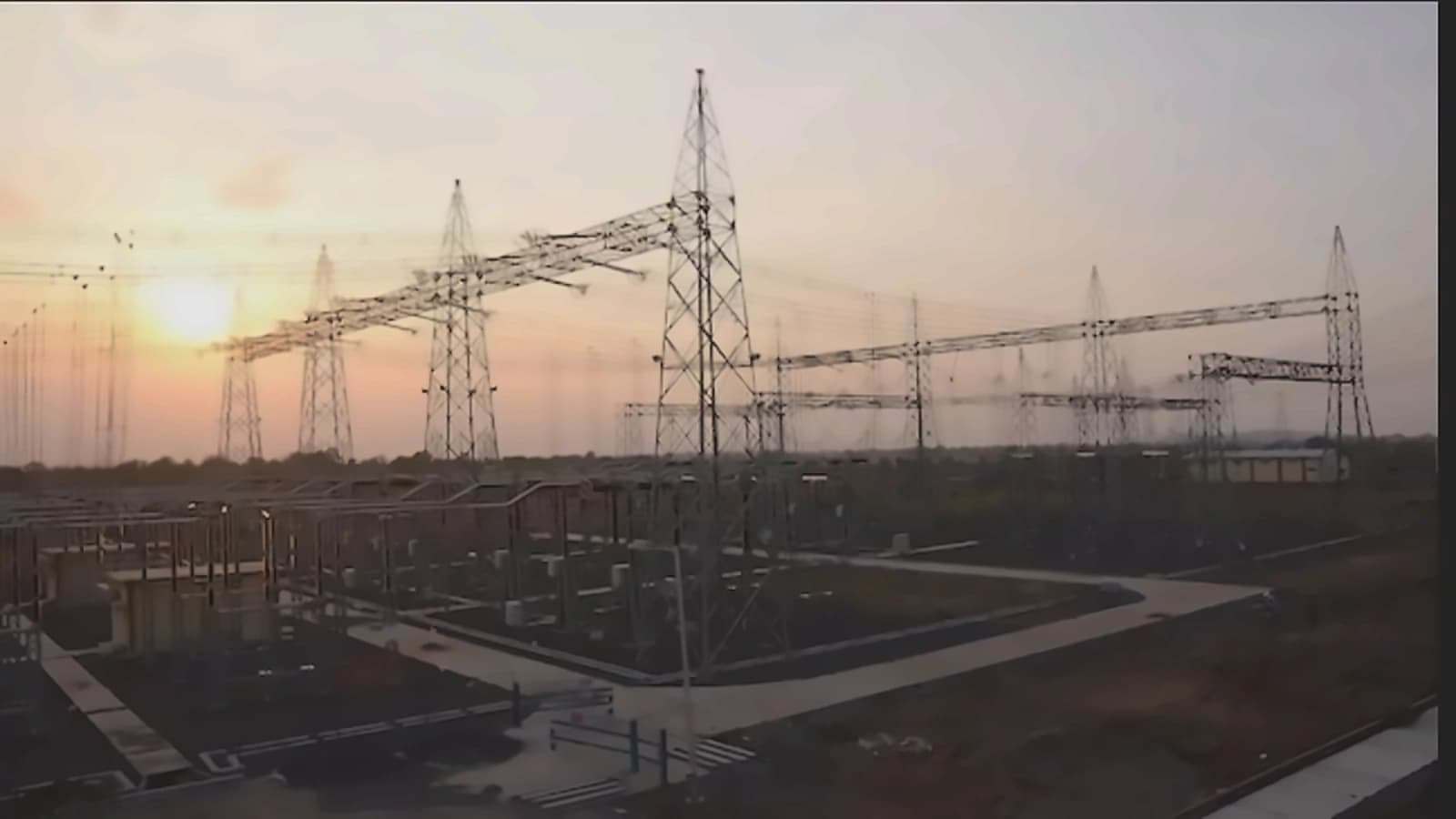
India will provide Nepal any additional power that may be needed in advance to cope with the flash flood tragedy that caused 550 MW of power capacity loss. According to reports from Business Standard, Nepal has sought advance import approvals from India effective September 2026 in view of the generation deficits caused by this disaster. The relevant authorities are currently processing these requests, with India committing to provide power to Nepal if and when requirements are communicated as per their needs. As per latest reports, Nepal's government has formally requested India to advance electricity import approvals by a month, a move that requires clearances from India's Central Electricity Authority (CEA) and the Power Ministry. This expedited approval could restore up to 200 MW of supply within weeks, easing anticipated winter power shortages.
Flash floods in the Trishuli and Tadi river basin on August 26 caused severe local infrastructure damage and disrupted power generating stations in Nepal. As reported by Business Standard, before the flash floods, Nepal had a total installed and operational power generation capacity exceeding 4,200 MW. The disaster has now reduced Nepal's domestic generation capacity by 550 MW due to damaged facilities, while cross-border power flow to India is currently reduced by 400 MW from previous peak levels of around 950–1,000 MW. The deluge destroyed transmission lines, submerged substations, and reduced cross-border power exports to India by 400 MW—from a peak of 1,000 MW to just 600 MW. This year, the disaster has preponed the winter crisis by weeks, forcing Nepal to seek 1,451 million units (MUs) of electricity—36% more than its usual winter imports—to avert prolonged blackouts in industries and households.

India's response to Nepal's request isn't just humanitarian—it's a strategic reinforcement of the South Asia Subregional Economic Cooperation (SASEC) Energy Trade Framework, which aims to integrate regional grids by 2030. Since 2021, the two nations have traded 4,750 MUs of electricity annually, with Nepal earning ₹8–10 billion in revenue from summer exports. The 2026 floods are a reminder that energy security in the Himalayas is inseparable from climate security. The symbiotic relationship is underpinned by the India-Nepal Power Exchange Agreement signed in 2016, which allows electricity generated in Nepal's hydro-projects to be sold to India through cross-border transmission corridors. Under the pact, the 500-MW Upper Tamakoshi plant began exporting power to India in 2022, demonstrating the operational effectiveness of this bilateral framework. The 2026 floods are a stress test for three critical frameworks: the India-Nepal Power Exchange Agreement, the BIMSTEC Master Plan for Energy Connectivity, and the proposed India-Nepal-Bhutan-Bangladesh (INBB) power grid.
Senior power ministry officials stated that no discernible impact is expected on India's domestic supplies due to the cut in hydropower flows from Nepal to India. According to Business Standard, the impact of the flash floods on India's national power grid is minimal and fully manageable. India imports electricity from Nepal, particularly during monsoon months when hydropower generation is higher, but officials do not foresee any requirement for exceptional emergency procurement or alternative arrangements to balance domestic demand. India imported 3,299 MUs and exported 1,451 MUs of electricity in FY 2025-26, demonstrating the normal flow patterns between the two countries. The Neighbourhood First approach prioritizing neighbouring countries signifies a shift in diplomatic focus, fostering regional cooperation and addressing energy security challenges in the Himalayan region.