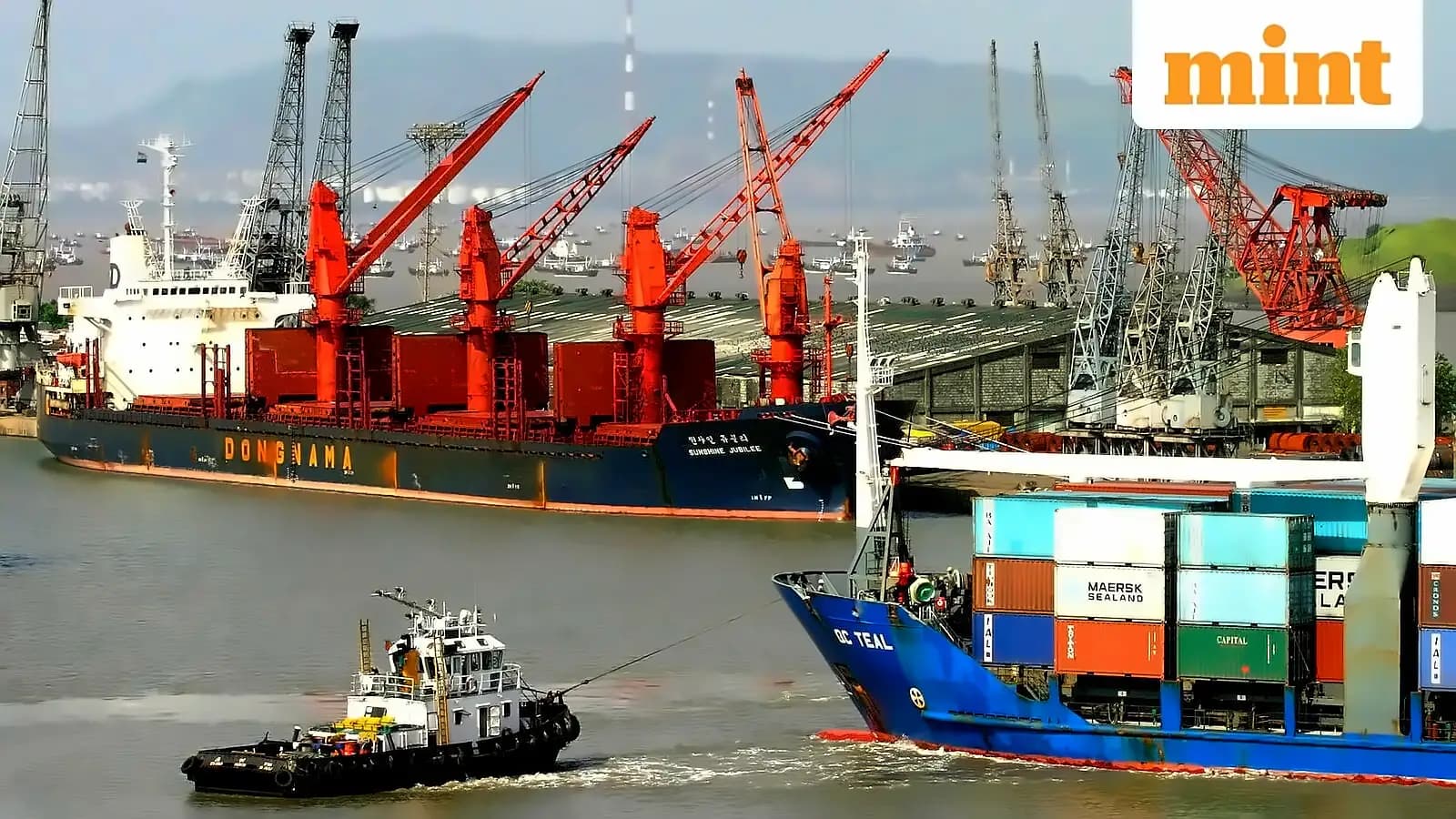
The environment ministry has extended the validity period of environmental clearances (ECs) for ports, harbours, breakwaters, and dredging projects from the existing 10 years to 20 years, with provisions for two further extensions of up to five years each. According to the latest notification issued on Monday, the decision was made due to long gestation periods and phased development characteristics of port and harbour projects. The move comes four months after the ministry in May issued a draft notification proposing to increase EC validity to 15 years, with an option for a further five-year extension, but after consultation with stakeholders, the validity was increased to 20 years. The extension has been implemented by amending the Environment Impact Assessment (EIA) Notification 2006. Under the new rules, an environmental clearance will be valid for 20 years initially, extendable by another five years after examination by the expert appraisal committee or state-level expert appraisal committee. In deserving cases where a project remains unoperational after the first extension, a further five-year extension may be added, subject to additional environmental safeguards being incorporated in the project's Environmental Management Plan.
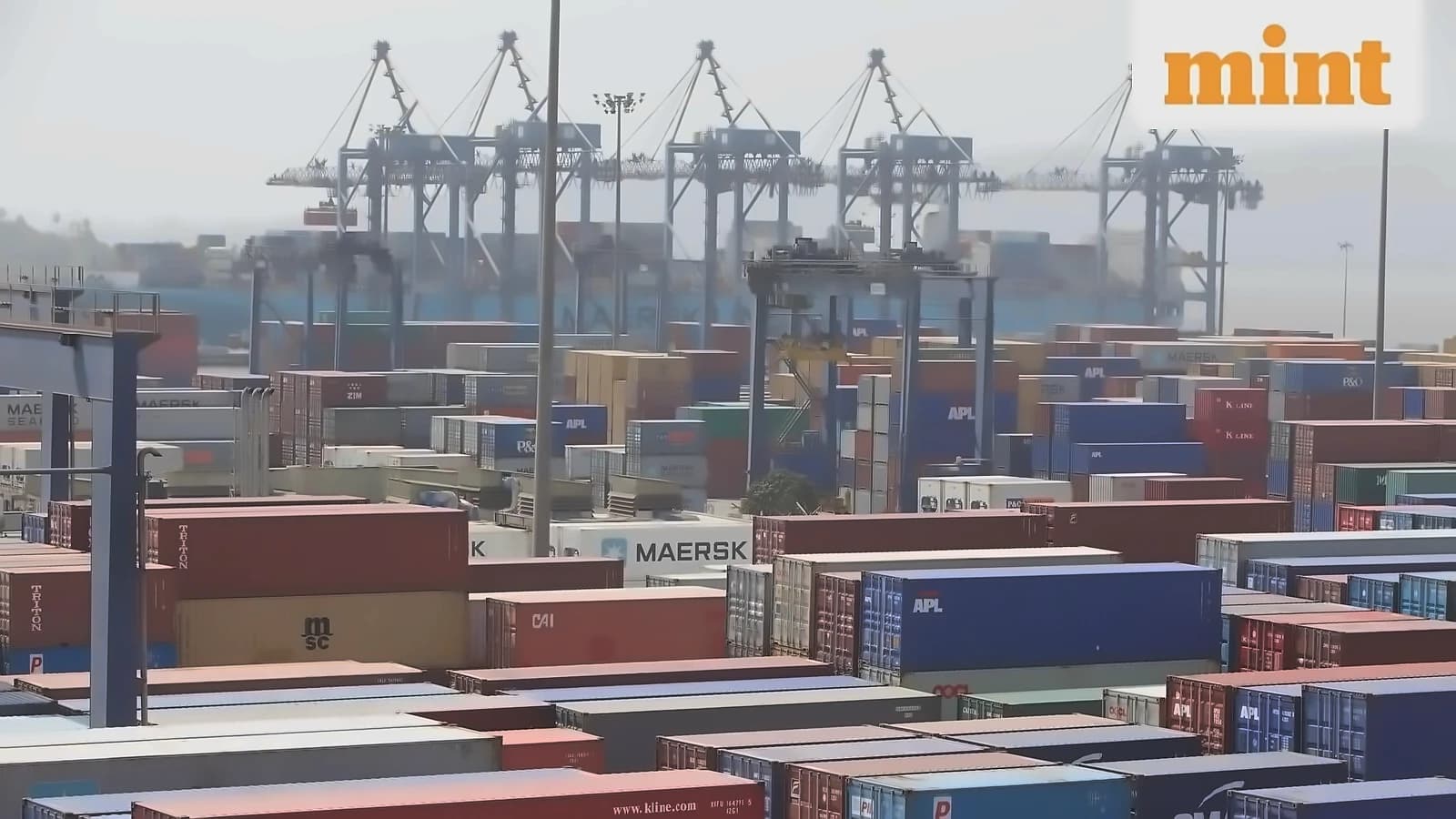
The Centre is considering extending the 30-year concession period for private and common-user port terminals to 60 years, bringing such infrastructure closer to the longer-tenure models adopted for airports and mining. According to reports from Mint, the ports, shipping and waterways ministry is examining whether the existing 30-year concession framework for non-captive terminals should be extended. A ministry spokesperson confirmed that as per the recent Captive Policy, it is proposed to extend the concession period for captive terminal operators beyond the existing 30-year framework, potentially up to 60 years. The Sectoral Expert Appraisal Committee was of the view that the validity period of environmental clearances granted to ports and harbours need to be "rationalised as the existing ten plus one years validity appears to be insufficient". However, the manner in which the change has caused concern, as the final notification departs from the draft issued by the environment ministry on May 20. As per Business Standard, the draft amended paragraphs 9(ii)(b), 9(ii)(c) and the proviso to 9(iii), but the final notification inserts an entirely new paragraph 9(iva), pushing the cap to 30 years through multiple extensions, with the second five years available even where a project has failed to become operational within the first 25 years.
Industry participants said longer concession periods provide more clarity and are the right way forward, given that port projects require substantial upfront spending on land-side infrastructure, cargo-handling equipment, mechanization and connectivity. According to Mint, Pushpank Kaushik, CEO and head of business development for the subcontinent, Middle East and Southeast Asia at Jassper Shipping, noted that longer concession periods can help make maritime infrastructure more attractive to private players by providing clarity about capital recovery processes and enabling a more long-term perspective in infrastructure development. The extended environmental clearance validity will provide additional certainty for long-term infrastructure projects. A consultant noted that the change doesn't impact a vast majority of projects, as obtaining environmental clearance has become easier and does not involve the lengthy delays that were once common. Port projects, the consultant added, do not ordinarily get stalled because of the validity period of environmental clearances.
This development comes as private participation in the ports sector is expanding significantly. According to the Economic Survey 2025-26, as reported by Mint, public-private partnership port projects increased from 37 in FY15 to 87 in FY25, with their combined value increasing from ₹16,180 crore to ₹61,029 crore. The proposal also aligns with the government's broader effort to strengthen the landlord port model, where port authorities retain ownership of land and core infrastructure while private operators develop and operate terminals through long-term concessions. The extended environmental clearance validity will support this growing trend of private sector involvement in port infrastructure development.
In comparison to ports, the operation, management and development agreement framework for airports provides for a 30-year term with a 30-year extension, while several newer PPP airports have been awarded for 50 years. According to Mint, in mining, auctioned leases have a uniform 50-year tenure. Sanjay Kumar Sinha, founder and managing director of Chaitanya Projects Consultancy, suggested that concessions could move towards 45–50-year tenures where project economics justify them, noting that longer concessions can attract patient institutional capital while emphasizing that predictable tariff arrangements and balanced contractual risk allocation would also determine investor appetite. The extended environmental clearance validity aligns with these longer infrastructure tenure models across different sectors.