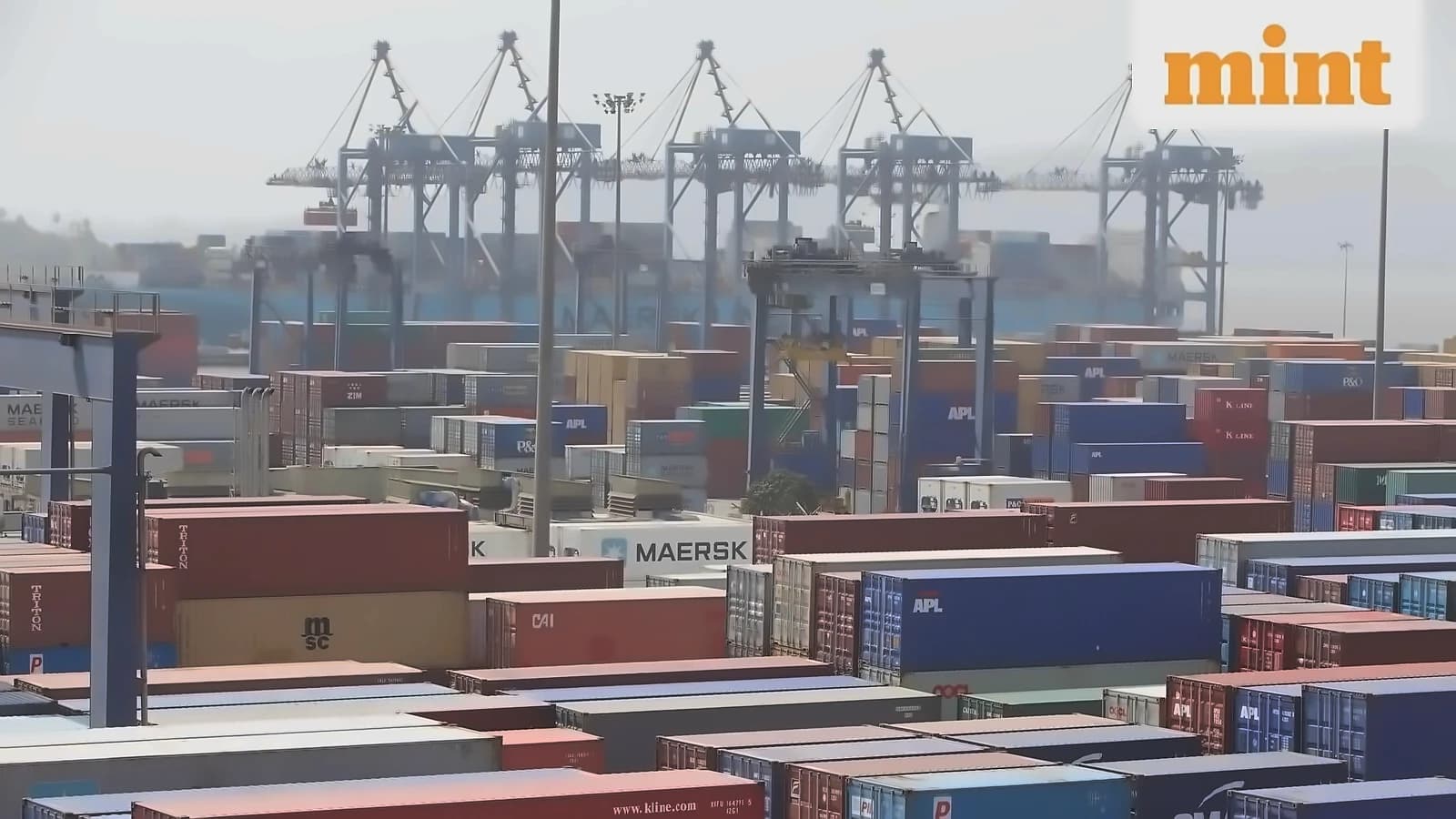
The Centre has doubled the validity of environmental clearances for ports, harbours, and related projects from 10 years to 20 years, as reported by Mint and ETGovernment. The new rules, notified by the environment ministry on Monday, also allow two further five-year extensions subject to environmental scrutiny. This amendment to the 2006 Environment Impact Assessment (EIA) notification aims to ease regulatory constraints on infrastructure projects that can take years to build and operationalize. The notification amends the Environment Impact Assessment (EIA) Notification, 2006, which governs the environmental clearance process, following requests from industry and the Ministry of Ports, Shipping and Waterways to rationalise the earlier framework. The ministry had received requests to rationalise the validity period of environmental clearances granted to ports and harbours, which was currently valid for an initial period of ten years, extendable for a further period of one year.
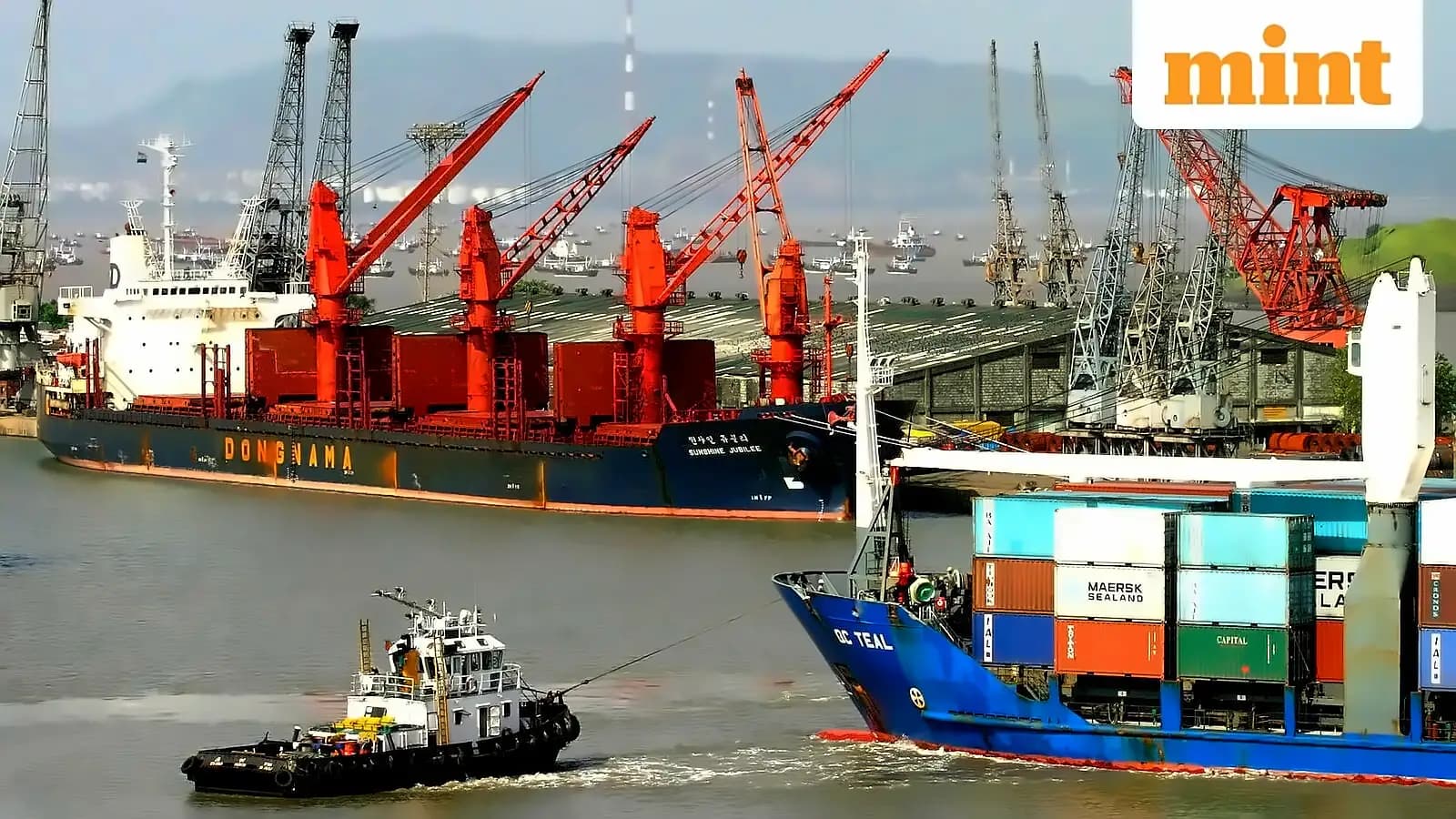
The clearance can be extended by another five years after the initial 20-year period, subject to an assessment of whether existing environmental safeguards remain adequate, according to Mint and ETGovernment reports. A second five-year extension may be allowed in deserving cases where the project has not been operationalized during the first extension. The Expert Appraisal Committee or State Level Expert Appraisal Committee will examine the project and recommend extensions, both of which remain conditional on environmental safeguard reviews. The amendment trades the repeated re-appraisal of a coastal project against a longer settled clearance for the developer, with the validity question now settled in favour of predictability for port developers. Under the EIA notification 2006, new projects of a specified case need prior environmental clearance across several sectors, while project expansion, modernisation, capacity addition, and product mix changes, beyond specified thresholds, also need environmental clearance.
The amendment has sparked controversy, particularly regarding the Great Nicobar transshipment port, as reported by ETGovernment. In a post on X on Tuesday, senior Congress leader and former environment minister Jairam Ramesh said the latest amendment was 'done for the proposed transshipment port in Great Nicobar which will, in all probability, be a Modani enterprise'. The transshipment port in Great Nicobar is part of the upcoming infrastructure initiative called the Great Nicobar Islands (GNI) project, which will be spread over 166 square kms, and will also comprise the construction of an integrated township, a civil and a greenfield military airport, and a 450-MVA gas and solar power-based plant. The Sectoral Expert Appraisal Committee was of the view that the validity period of environmental clearances granted to ports and harbours need to be 'rationalised as the existing ten plus one years validity appears to be insufficient'.
The sectoral expert appraisal committee initially recommended raising the validity of port projects to an initial 15 years, extendable by five years, as reported by Mint. However, the expert advisory committee, comprising officials within the environment ministry, endorsed the 15-year validity period with a provision to extend it by a maximum of five years. The expert advisory committee stated that the existing validity duration appeared 'insufficient' considering the 'long gestation and phased development' characteristic of port and harbour projects. This recommendation was based on consultations held within the ministry, where officials considered the phased development nature of port projects and the need for longer clearance validity periods. The decision to extend the validity to 20 years comes four months after the ministry proposed the increase in a draft notification issued in May, following consultations with stakeholders. According to the latest notification, the Expert Appraisal Committee (EAC) or state-level EAC will examine a project's existing environmental safeguards and may recommend additional measures in the Environmental Management Plan in case the project seeks a validity extension for another five years.
Rajiv Jalota, former chairman of Mumbai Port Trust, praised the changes as promoting ease of doing business by providing greater regulatory certainty to project developers, as reported by Mint. He emphasized that the longer validity will save considerable time and reduce procedural delays, particularly given the long gestation period and phased development of port projects. The changes are expected to encourage private-sector participation while allowing projects to plan capacity expansion and infrastructure development over a longer horizon. Environmental protection now rests entirely on how appraisal committees use the extension review, since the automatic trigger that forced a coastal project back for a fresh look has been removed. The amendment brings environmental clearance validity closer to the longer development timelines of large infrastructure projects, particularly those built and expanded in phases, potentially reducing administrative delays and making investment and capacity planning easier over a longer horizon.