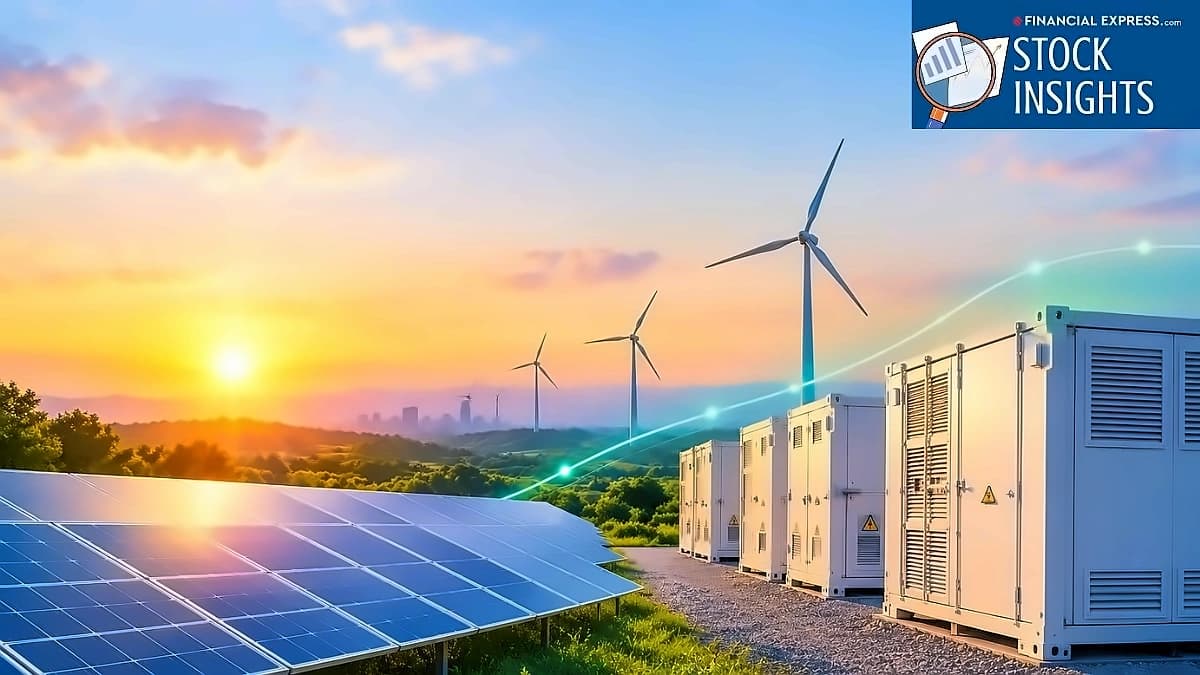
India's clean industrial investment pipeline has reached an estimated $433 billion, positioning the country among the world's top-three centres for clean industrial development, according to reports from Business Standard. The India Energy Storage Alliance (IESA) handled technical coordination at a virtual event attended by representatives from Brazil, Russia, the United Arab Emirates, and other Brics members. The event, organised by the power ministry, was aimed at accelerating India's clean energy transition by deepening international collaboration on advanced energy storage technologies and developing resilient local supply chains.

India's energy storage pipeline has crossed 100 GW, with around 10 GW commissioned, as reported by Business Standard. However, the country remains highly import-dependent for minerals and key components. According to a government official, expanding PLI support to recycling and advanced chemistries, and dedicated allocations for stationary storage are vital for building a resilient domestic value chain. Debmalya Sen, President of IESA, emphasized that energy storage is now essential for both grid flexibility and resilience as renewable integration rises.
IESA has urged Brics nations to strengthen energy cooperation and mineral security, submitting recommendations to the Indian government, according to Business Standard. The alliance called for mutual recognition of test reports, harmonised measurement protocols, and coordinated pilot projects to unlock distributed storage potential across Brics nations. Brazil's Jose Jesus Lima Neto from the Ministry of Mines and Energy noted that clean-energy technologies require substantially higher mineral inputs than conventional energy systems, while UAE's Shuvendu Kumar Bose highlighted that the key challenge is increasingly linked to transmission economics rather than renewable variability alone.
Experts from India's TERI and Brazil's Electric Sector Studies Group emphasised the transformative potential of long-duration energy storage, while UAE and Russian leaders highlighted the urgency for supportive regulation and standardised techno-economic assessment, as reported by Business Standard. Yuri Vlasov from Russia's Watts Battery stated that system adequacy and local network reliability can diverge, with localised outages occurring even when the broader grid remains adequate. The collaboration aims to address these technical challenges through coordinated international efforts.