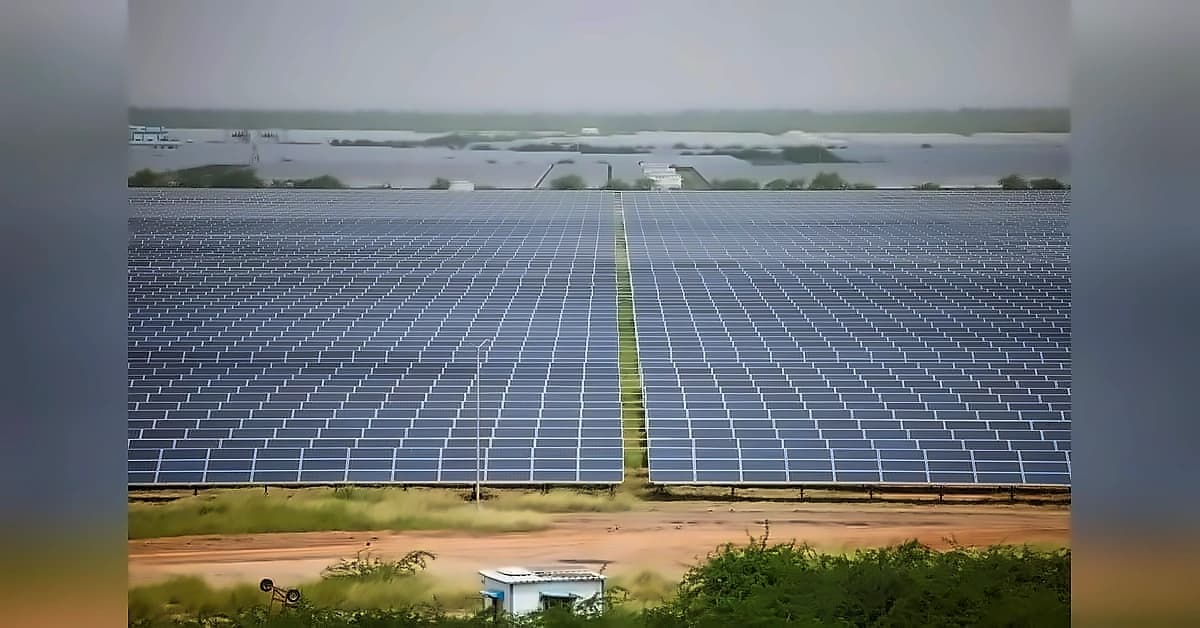
India's transition to renewable energy is expected to demand significant investments in energy storage solutions, with over ₹4 lakh crore of storage-related investment estimated to be needed by FY32, according to CareEdge Ratings. The current operational storage capacity of 54 GWh will need to expand to 411 GWh to meet growing renewable energy demands. This represents a substantial increase from the previously estimated 411 GWh by FY32 as reported by the Central Electricity Authority. The shift towards renewable power is creating a major requirement for energy storage, with increasing renewable generation requiring complementary technologies like Battery Energy Storage Systems and Pumped Storage Plants.
India's battery energy storage systems (BESS) market is entering a transformative phase as storage demand rises significantly. According to Crisil Ratings, India could commission 45-50 gigawatt-hours (GWh) of BESS capacity in FY27-28. The Central Electricity Authority estimates that cumulative storage requirements could reach 411 GWh by FY32. This growth is driven by solar generation peaks during the day while demand often rises in the evening, creating the need for BESS to store electricity when power is cheaper and supply it when demand and tariffs are higher.
The shift is reflected in new government tenders, with India now requiring a minimum two-hour Energy Storage System in utility-scale solar photovoltaic (PV) tenders. Beyond the power sector, data centre expansion could create 15-20 GW of additional demand for combined solar-plus-BESS installations. Policy support through Viability Gap Funding, Production Linked Incentives (PLI) for Advanced Chemistry Cells, and transmission reforms is helping build the market infrastructure.
According to The Financial Express, Waaree Energies Limited is the largest non-Chinese solar module manufacturer globally, operating a clean energy manufacturing platform spanning solar PV modules, solar cells, BESS, power electronics, and EPC services. The company has allocated ₹10,000 crore specifically for BESS infrastructure, with BESS representing 32% of Waaree's overall asset allocation. As of June 30, 2026, about ₹1,398 crore has been deployed with the remaining ₹8,602 crore scheduled through FY29.
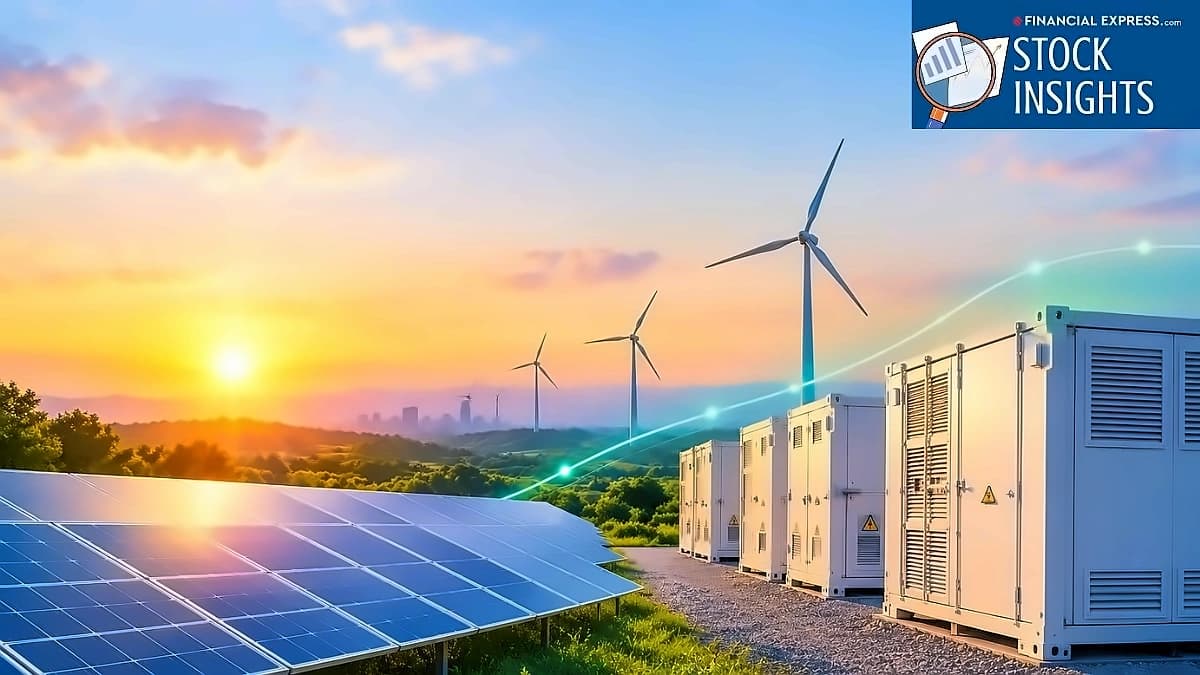
As reported by The Financial Express, Adani Green Energy is India's largest pure-play renewable energy independent power producer and ranks among the top 10 globally. The company has operational capacity crossed 20 GW during Q1FY27, reaching 20.1 GW as of June 30, 2026. It operates 3,551 MWh (3.5 GWh) of total installed BESS capacity as of June 30, 2026, accounting for roughly 50% of India's total operational BESS capacity. The company expects to expand this share to over two-thirds by the end of FY27.
According to The Financial Express, ACME Solar Holdings has operational BESS capacity of 3.6 GWh as of July 2026 and has ordered over 15 GWh of battery capacity from global Tier-1 suppliers. The company secured bids worth ₹1,400+ crore in locked-in revenue for the partial sale of FY27 BESS capacity and aims to commission 10+ GWh of BESS capacity by FY27. In Q1FY27, BESS revenue stood at ₹226 crore from battery power sales with BESS segment EBITDA margin at 82%.