The Haryana government has formally added the 136.30-km Delhi-Panipat-Karnal Namo Bharat Regional Rapid Transit System (RRTS) corridor to its Transit Oriented Development (TOD) Policy, with the Haryana Town and Country Planning Department notifying the amendment on September 22, 2026. According to The Tribune, the corridor had already received approval from the state government on March 24, 2026, following a recommendation from the Haryana Mass Rapid Transport Corporation (HMRTC), with the alignment now formally included in the annexure of the existing TOD Policy after HMRTC requested its addition. The project is estimated to cost ₹33,051 crore, with Haryana's share pegged at approximately ₹7,472 crore to be released in phases, as reported by Swarajya.
The corridor will begin at Sarai Kale Khan in Delhi, the hub station for all three of NCRTC's priority RRTS corridors, and run north along National Highway 44 through Narela, Kundli, Sonipat, Murthal, Bahalgarh Chowk, Ganaur, Samalkha, Panipat City, Sewah, and Gharaunda, along with other proposed and future stations. As reported by The Tribune, the corridor is expected to include 11 stations within Haryana, with confirmed stations including Sarai Kale Khan, Karnal ISBT, Sector 7, Gharaunda and Kohand, while Karnal Bypass has been listed as a future station. The Panipat section will include Panipat City, Sewah and Samalkha, with Sector 18 identified as a future station. The corridor will connect with the wider regional transport network at Sarai Kale Khan hub station.
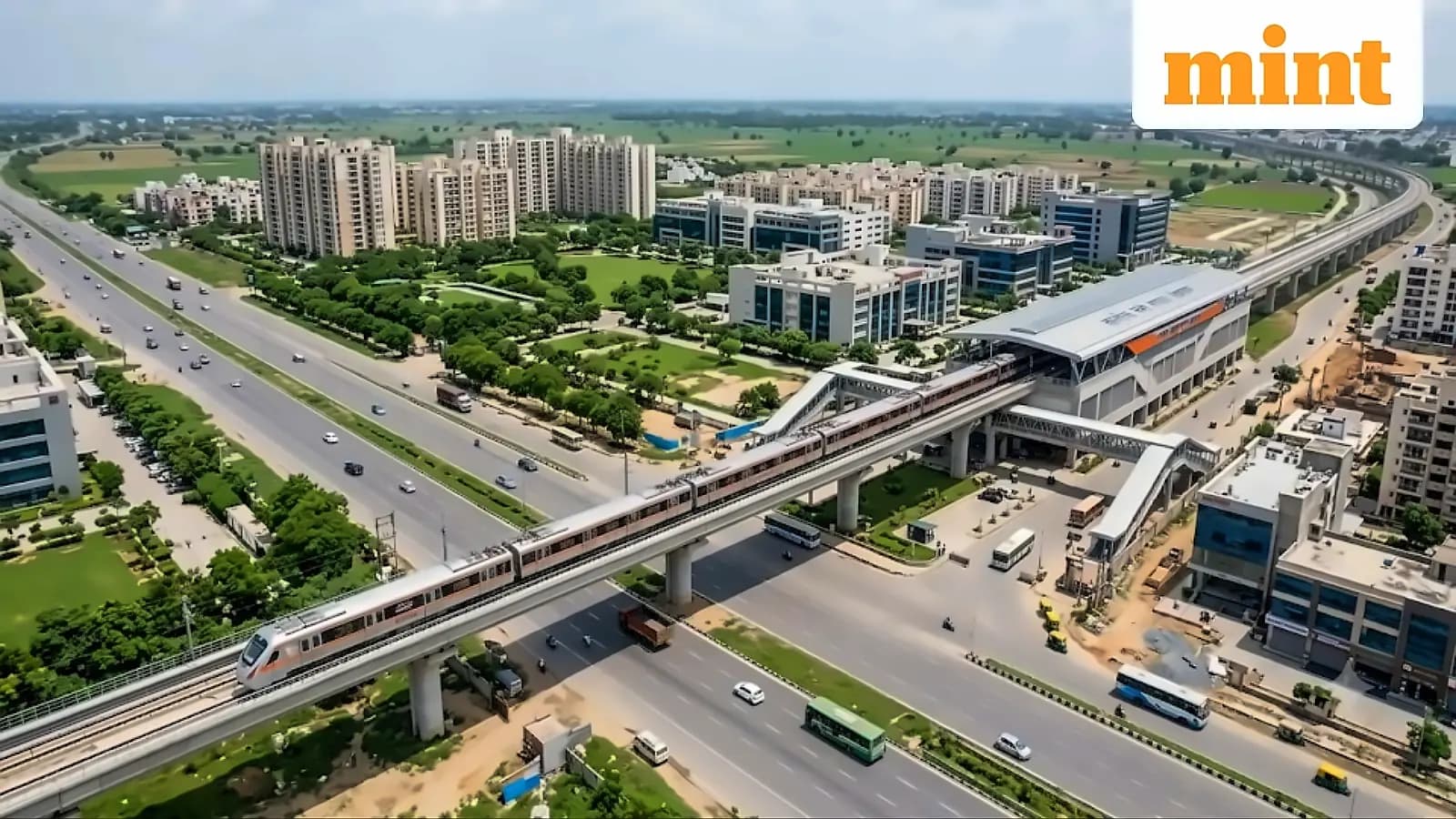
The TOD status enables planners to treat land use and the rail line as one connected exercise, allowing for structured, higher-density development around future stations rather than adding transit to areas planned without it in mind. According to The Tribune, TOD status means areas around future stations can be planned for higher floor area ratios, mixed use development and better last-mile connectivity, instead of being governed only by standard zoning rules. The corridor will follow the same passenger amenities used on the operational Delhi-Meerut Namo Bharat line, including designated luggage storage space, coaches reserved for women, and facilities for passengers with disabilities. Karnal became part of the National Capital Region on June 9, 2015, creating expectations of better regional connectivity, while the RRTS project was first announced in 2014 and subsequently extended from Panipat to Karnal in January 2020 by then Haryana Chief Minister Manohar Lal Khattar.
Full construction has not begun across the alignment, but preparatory work has commenced in sections. According to NCRTC's pre-construction activities report, a tender covering the shifting of low-tension electrical utilities and relocation of streetlights along the Delhi section of the alignment, between roughly the 9.5-km and 20.7-km marks, has been issued, with the work expected to be completed within a year. NCRTC has also floated tenders for road widening and restoration along the Delhi-Panipat-Karnal road to keep traffic moving smoothly once heavier construction begins. The corridor was cleared by the Haryana Cabinet on March 24, 2026, with the cabinet also asking for the corridor to be eventually extended beyond Karnal to Panchkula via Kurukshetra and Saha, a proposal to be taken up separately with the Ministry of Housing and Urban Affairs and NCRTC.
The Department of Town and Country Planning (DTCP) has included the Namo Bharat Regional Rapid Transit System projects from Sarai Kale Khan to Bawal and Delhi to Karnal under its Transit Oriented Development (TOD) policy, bringing areas within 1.5 kilometres of the 12 proposed RRTS stations in Gurugram section under the TOD influence zone. As reported by The Tribune, the 12 Gurugram stations include Cyber City, Iffco Chowk, Rajiv Chowk, Hero Honda Chowk, Kherki Daula, Manesar, Pachgaon, Bilaspur Chowk, Dharuhera, MBIR station, Rewari and Bawal. The Delhi-Bawal corridor, being developed by the National Capital Region Transport Corporation (NCRTC), will connect Delhi, Gurugram and Bawal in south Haryana, with its estimated cost of ₹35,000 crore and awaiting final approval from the Union Cabinet. A senior DTCP official confirmed that the TOD zone has been notified, but the zonal bifurcation into intense and transition zones is yet to be notified, with benefits including additional floor area ratio (FAR), mixed land use and other applicable benefits as per the TOD policy of 2016.