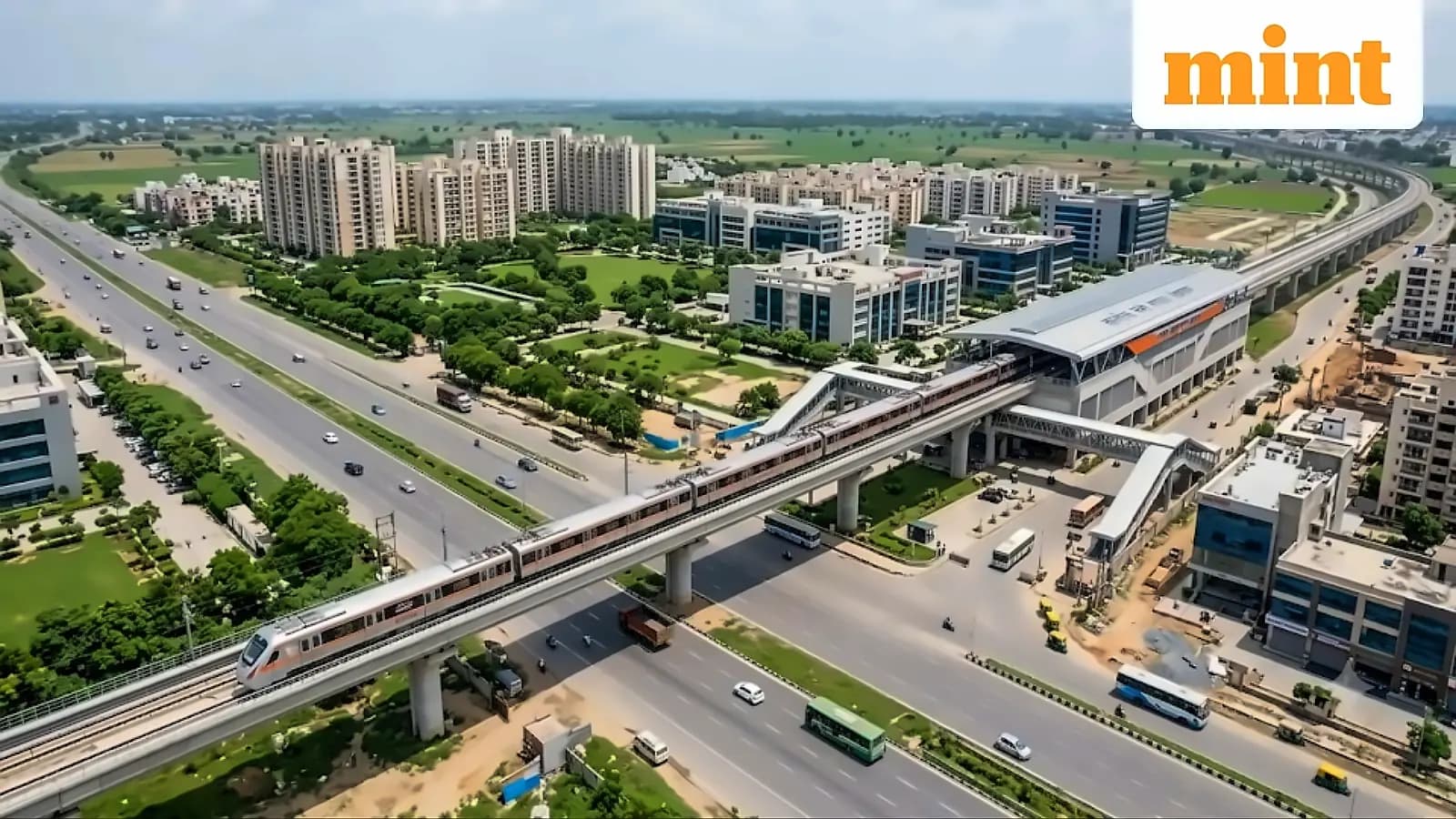
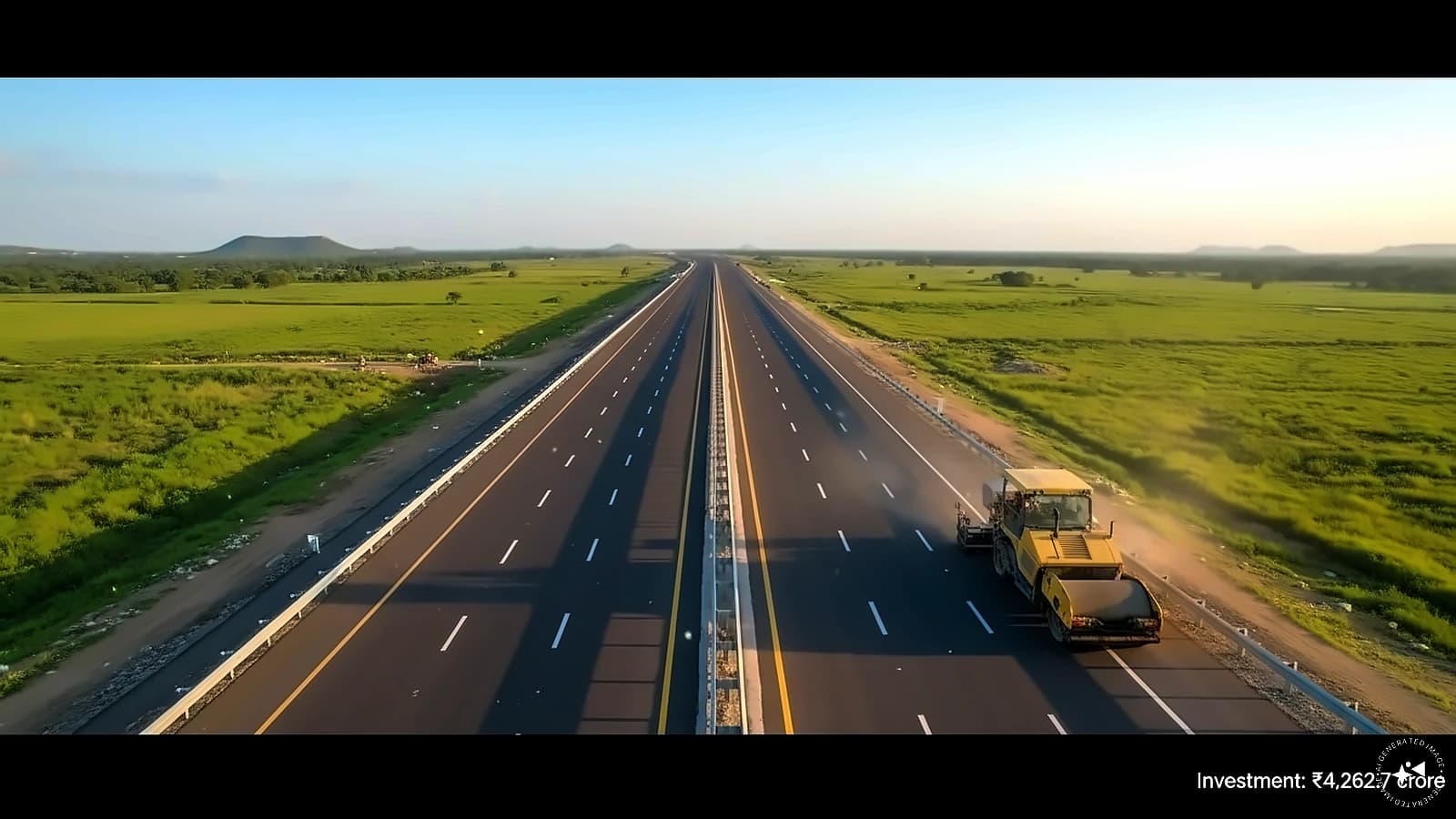
The Haryana government has approved a ₹1,662 crore civil works package for Phase 2 of the Gurugram Metro project, clearing the way for Gurugram Metro Rail Limited (GMRL) to float the tender within the first week of October. According to reports from Hindustan Times, a senior GMRL official confirmed that the tender for civil construction from Sector 9 to Cyber City has been approved by the state government. The approval comes after a nearly two-month delay in clearing the Phase 2 tender, with the World Bank completing scrutiny of tender documents towards the end of July before GMRL submitted them to the state government for approval. A senior government official revealed that the chief minister's office raised observations and objections, following which the tender was sent back to metro authorities for changes before receiving final approval.
The 14.5-km elevated stretch will connect key residential and commercial hubs across Gurugram through 14 stations, extending from Sector 7 towards DLF Cyber City. As reported by Hindustan Times, the corridor will traverse Sectors 7, 4, 5 and 3, along with Ashok Vihar, Bajghera Road, Palam Vihar Extension, Palam Vihar, Sector 23A and Sector 22. The route will link key areas of Old Gurugram with major commercial and employment hubs, including Udyog Vihar phase 4, Udyog Vihar phase 5 and Cyber City. Around 2 km of the alignment will comprise flyover-cum-metro structures on Old Delhi Road and Bajghera Road, allowing the metro to run above busy road corridors while road traffic continues below. The tender also includes construction of double-decker stretches at Bajghera and a longer stretch of double-decker stretches on Old Delhi Road, as per the requirement by the Gurugram Metropolitan Development Authority (GMDA) to reduce congestion and facilitate smoother traffic movement.
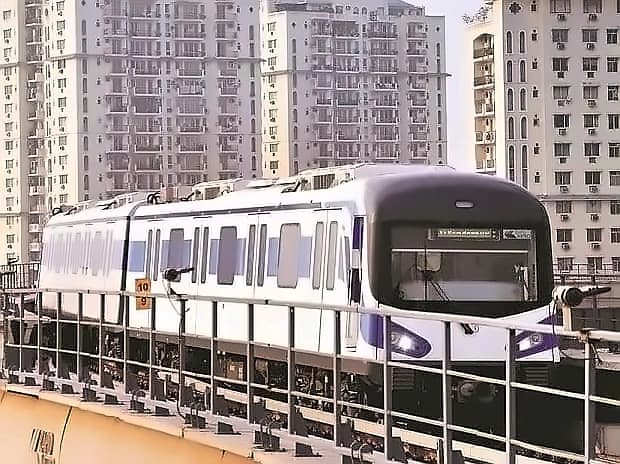
The Phase 2 corridor will integrate with the Rapid Metro network and the Namo Bharat Rail corridor, creating interchange points for commuters. According to Hindustan Times, the package will also cover double-decker stretches at Bajghera and along Old Delhi Road, where the metro will run above road traffic. The Sector 9-Cyber City stretch will provide seamless connectivity between the metro system and other transportation networks, enhancing the overall mobility infrastructure in the region. A senior GMRL official indicated that the tender for the metro depot is also expected to receive approval soon.
The larger 28.5-km Millennium City Centre-Cyber City corridor is being built in two phases, with Phase 1 already under construction and scheduled for completion in 2028. As reported by Hindustan Times, Phase 1 will cover 14 stations from Millennium City Centre to Sector 9, passing through key locations such as Unitech Cyber Park, Subhash Chowk, Hero Honda Chowk, Udyog Vihar Phase VI and Basai Village. The Haryana government last month opted to acquire land under the 2013 Land Acquisition Act after several private landowners refused to sell under the metro purchase policy. The full corridor is targeted for completion by 2029. Under Phase 1, GMRL is constructing around 15 km from Millennium City Centre to Sector 9, including 13 metro stations, besides a spur to Sector 101 near Dwarka Expressway. Construction began in September last year, and around 15% of work has been completed. GMRL has begun assembling the U-girders on which the track will be laid.
The Union government sanctioned the metro corridor in 2023, with Haryana subsequently revising the project's scope and cost. According to Hindustan Times, the state cabinet approved a higher overall project cost and an additional spur connecting Sector 5 with Gurgaon railway station. The project represents a significant infrastructure investment in Gurugram's public transportation network, with the metro system designed to serve as a comprehensive solution for the city's growing population and commercial needs. The ₹1,662-crore civil construction tender covers the physical infrastructure required for the 14.5-km elevated metro corridor, including construction of the elevated viaduct, metro stations, track and other associated civil works. Signalling, electrical, traction and design works are outside the scope of the civil construction tender and will be taken up separately. The 28.5-km Millennium City Centre-Cyber City corridor was originally estimated at ₹5,452 crore and planned as a fully elevated line with 27 stations, along with a 1.8km spur towards Dwarka Expressway.