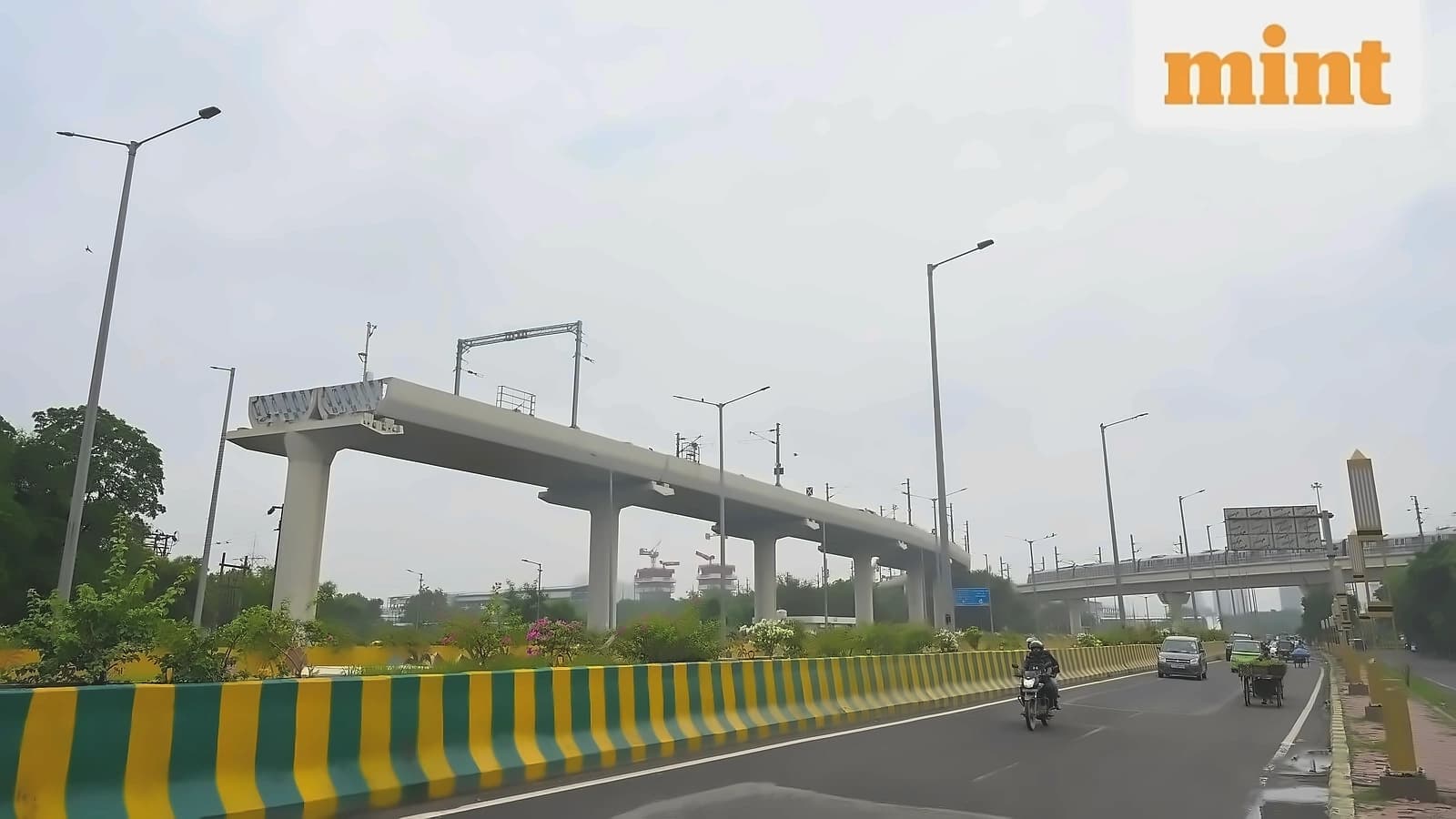
The Union Cabinet approved an ₹2,390-crore extension of the Aqua Line metro rail corridor on Wednesday, November 11, 2026, as part of a ₹77,101 crore infrastructure package. According to reports from PTI, the project was approved by the Cabinet chaired by Prime Minister Narendra Modi. The 8.5-kilometre metro extension will comprise five elevated stations, expanding connectivity between Noida Sector 51 and Greater Noida Sector 4. Union Information and Broadcasting Minister Ashwini Vaishnaw confirmed that the project will be completed in four years and will link Noida and Greater Noida West to the Delhi Metro through an interchange at Noida Sector 61. Once operational, the extension will take the combined active Metro Rail network in Noida and Greater Noida to 71.878 km.
The proposed extension will feature five strategically located stations along its route, providing comprehensive connectivity across the region. The stations will be positioned at Noida Sector 61, Noida Sector 70, Noida Sector 122, Noida Sector 123, and Greater Noida Sector 4. As reported by Economy & Policy News - Business Standard, one of the key features will be its interchange connectivity with the Delhi Metro Blue Line at Noida Sector 61, giving commuters from Greater Noida West direct access to the wider Delhi Metro network. The route is expected to improve access to residential areas, commercial centres, office spaces, educational institutions and hospitals across Noida and Greater Noida, with the combined active Metro network across Noida and Greater Noida reaching 71.878 km once operational. An official statement emphasized that "By bridging these vital areas with the metro network, Extension of Aqua Line Metro Rail Corridor from Noida Sector-51 to Greater Noida Sector-04 will not only enhance connectivity but also stimulate economic activity and ease urban mobility for both residents and commuters related to Employment, Business, Education & General Transit."
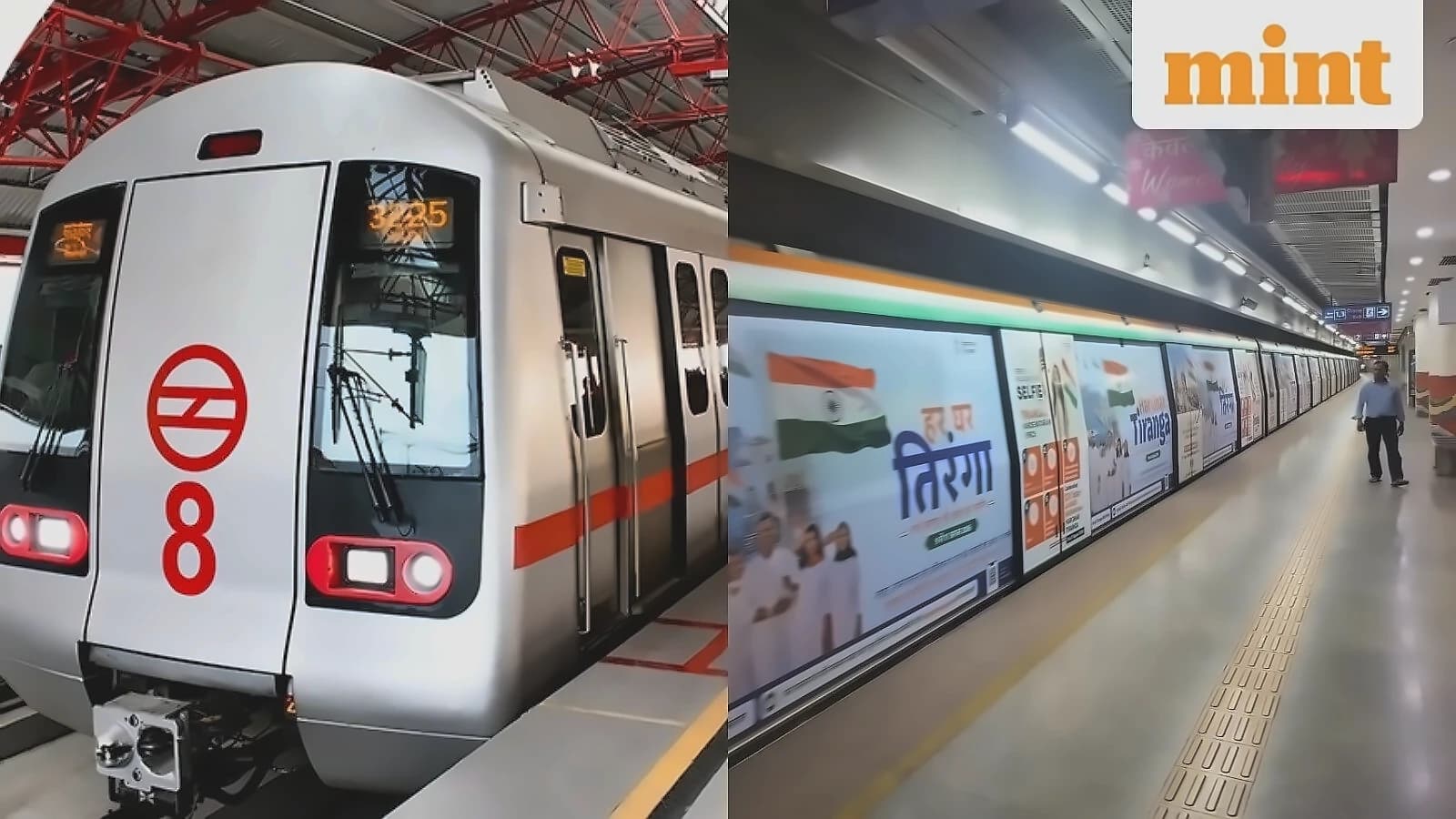
The extension will provide direct access to high demand corridors, including the interchange with the blue line at Noida Sector 61. The project will integrate key zones of Noida, including commercial hubs such as Gaur City Mall, H&S Mall and office space, Blue Sapphire Mall and commercial space at Greater Noida Sector 04, IKEA at Noida Sector 51 and Anthurium Mall at Noida Sector 73. Among the residential areas expected to benefit are Gaur City 1 and 2 in Greater Noida Sector 4 and Cleo County in Noida Sector 122. The corridor will also improve access to office and IT hubs, including Tech Mahindra's office and TCL Tech's office in Sector 60, the Oil Industry Development Board in Sector 73 and Golden I's office and commercial space in Greater Noida Sector 4. Additionally, it will connect educational and healthcare facilities such as Delhi Public School at Noida Sector 122, Kailash Hospital, Rama Hospital at Noida Sector 70, Cloud9 Hospital at Noida Sector 51 and Rama Hospital at Noida Sector 62. These developments are expected to improve connectivity to several key commercial, business, educational, healthcare and residential hubs.
The metro extension is expected to significantly impact property demand across connected sectors, with Sector 61 particularly benefiting from the Blue Line interchange that will improve access to Delhi and other NCR areas. According to Essential Business Intelligence, the project could strengthen buyer interest, rental demand and commercial activity around connected sectors. Sectors 70, 122 and 123 are also positioned to benefit from improved connectivity, with Sector 70 housing important healthcare facilities like Rama Hospital and Sector 122 providing access to educational institutions. While an immediate increase in property prices is not guaranteed, the Cabinet approval provides Noida's property market with a fresh infrastructure catalyst. The actual impact on property demand and prices will become clearer as construction progresses and the corridor moves closer to becoming operational.
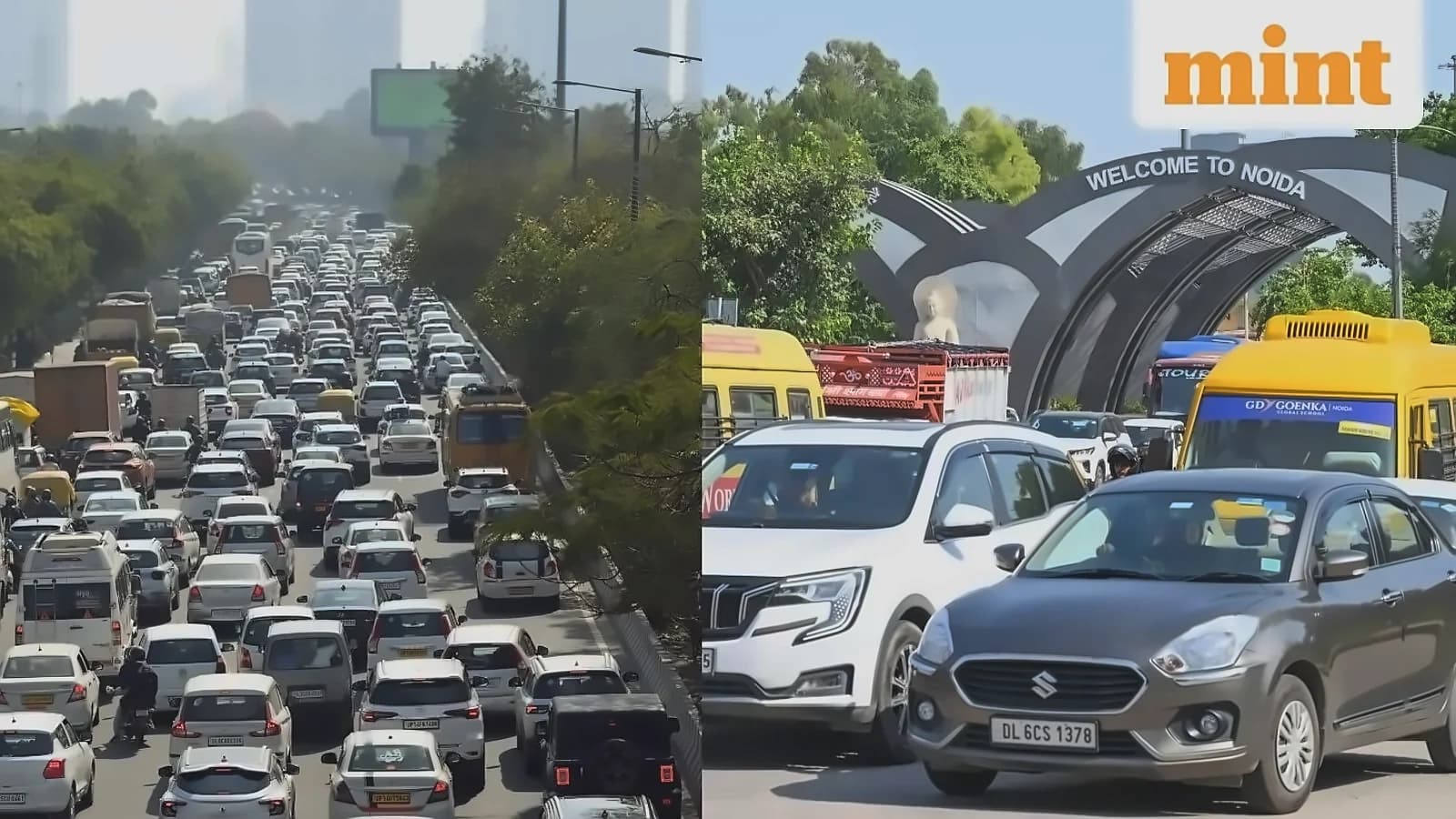
With the Union Cabinet's approval now secured, the project can move towards the next stages of implementation, including the tendering process and appointment of an agency to execute the work. As reported by Essential Business Intelligence, the Noida Metro Rail Corporation (NMRC) had earlier indicated that a construction tender would be issued after the mandatory approvals were secured. The project had received clearance from the Public Investment Board before being taken up for the Cabinet's consideration. The next major step will be to take the project through the tendering and construction process, though the Cabinet's approval and proposed route do not specify a construction start date or operational deadline. Once completed, the extension is expected to offer commuters in Greater Noida West another public transport option, reduce dependence on private vehicles and ease pressure on busy road stretches.