The Centre has allowed four companies with substantial stakes held by entities from neighbouring countries to bid for power projects for a two-year period beginning from June 24, provided they meet prescribed domestic content requirements. According to reports from NDTV Profit, Minister of State for Power Shripad Naik made this announcement in a written reply to the Rajya Sabha, responding to questions about Chinese ownership in government tenders for critical power projects. CEA member V K Singh confirmed that this decision was taken consciously to ease supply constraints in critical equipment, as reported by Business Standard during the Bharat Green Hydrogen Summit 2026. Singh emphasized that "Recently, the government has taken a key decision. We have allowed certain Chinese companies to participate in tenders so that our requirement for transformers, bushings and other critical materials can be met. And this decision has been taken very consciously."
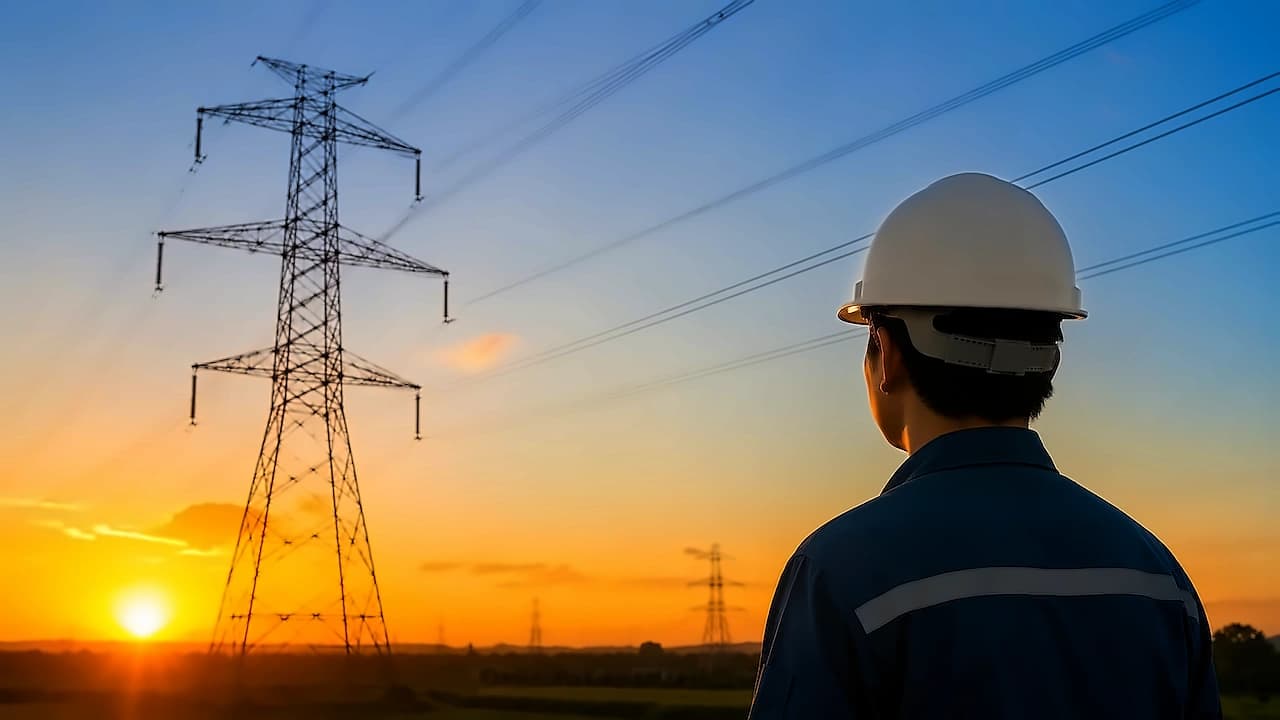
The decision addresses critical supply-chain constraints, including limited domestic availability of specialised materials such as cold-rolled grain-oriented (CRGO) steel and bushings, as highlighted by CEA member V K Singh. The policy aims to increase competition, improve price stability and address supply constraints, while remaining aligned with the objectives of the Atmanirbhar Bharat initiative, as stated by Minister Naik. The CEA is actively working with the Indian Electrical & Electronics Manufacturers' Association (IEEMA) to address these supply gaps, with Singh noting that "We have analysed our production capacity. We will be self-sufficient in our CRGO production once JSW JFE Steel Limited comes on stream in 2027."
Addressing national security concerns, the minister outlined comprehensive safeguards for these entities. According to NDTV Profit reports, products manufactured at these India-based facilities will be subject to mandatory testing and certification under Bureau of Indian Standards (BIS) and relevant Indian Standards (IS) through designated agencies. Additionally, the companies must comply with applicable Indian cybersecurity guidelines and standards, including mandatory cybersecurity testing wherever required. These measures are designed to mitigate potential security risks while avoiding a blanket ban on such entities.
The two-year relaxation applies specifically to TBEA Energy, Nanjing Electric India, New Northeast Electric India and Taikai Electric (India), as detailed in the finance ministry order dated June 24. According to Business Standard, the exemption will remain valid for two years from the date of issuance. Minister Naik explained that these safeguards are adequate to allow competitive procurement without compromising national security objectives. Singh provided specific timelines, stating that "In 10 to 12 months, it is expected that the supply gap will be reduced and the cost of transformers and other equipment will also come down."