India has approved a $1.2 billion incentive scheme for manufacturing high-value construction and infrastructure equipment, as reported by Reuters and confirmed by two government sources to The Economic Times. The scheme aims to attract $1.8 billion in fresh investment by offering incentives over seven years to domestic manufacturers. The initiative covers equipment including tunnel boring machines, fire-fighting equipment, and elevators used in high-rise buildings, with the Union Cabinet expected to consider the scheme soon. According to Reuters, the scheme was announced in the 2026-27 Union Budget to strengthen domestic production of high-value, technologically advanced construction and infrastructure equipment. A final decision on the incentive plan is expected soon, with both the federal heavy industries ministry and finance ministry confirming the development.
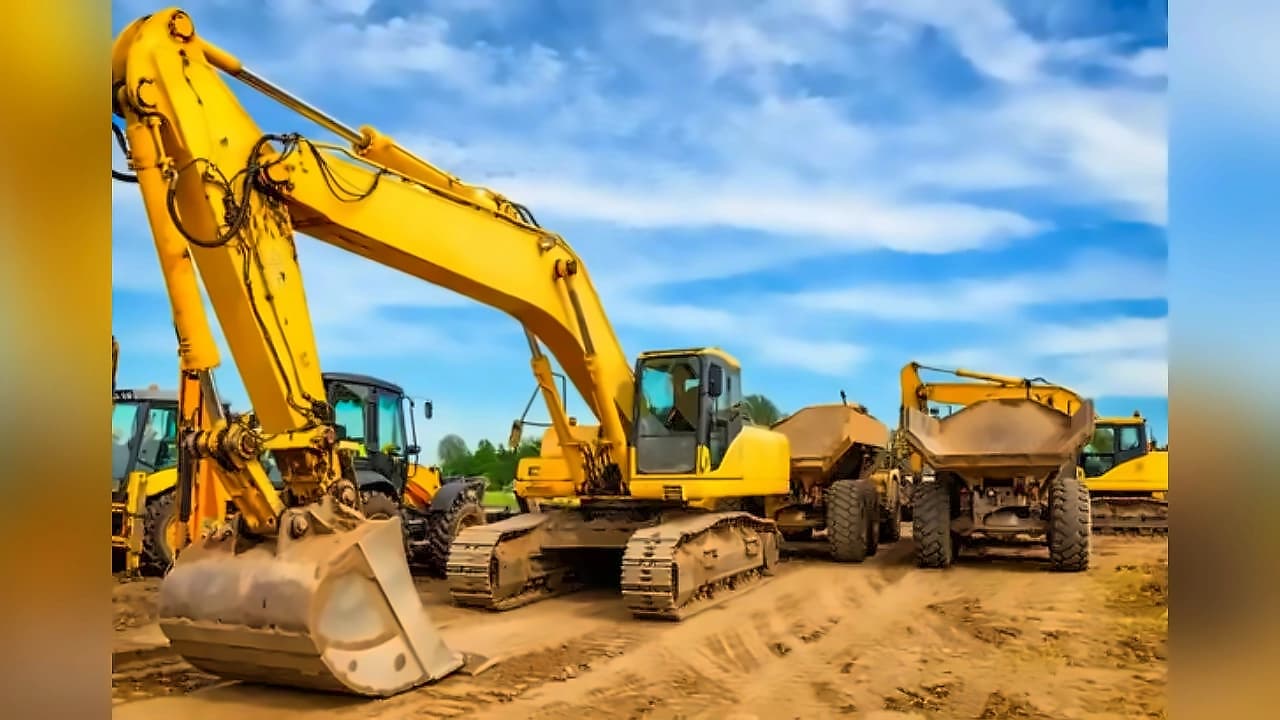
The scheme addresses India's heavy dependence on imported tunnel boring machines, with China among the key suppliers of tunnelling equipment used in metro rail and highway construction. Finance Minister Nirmala Sitharaman had previously stated that the equipment covered could range from "lifts in a multi-story apartment, fire-fighting equipment, large and small, to tunnel-boring equipment for building metros and high-altitude roads." The new scheme has been designed after assessing the incentives required to make domestic production viable, taking into account India's existing dependence on imports. The incentive plan could benefit state-run BEML, which plans to manufacture tunnel boring machines domestically, as well as equipment makers including Larsen & Toubro and Johnson Lifts. The plan would also include targets for local value addition for machines that are currently fully imported.
India's construction and infrastructure equipment market is valued at ₹1 lakh crore ($10.5 billion) and is expected to expand as the country accelerates spending on roads, metros, airports and other infrastructure projects. The plan includes targets for local value addition for machines that are currently fully imported, as reported by Reuters. A Boston Consulting Group-CII report indicates that India's share of the global mining and construction equipment industry has doubled from around 2.5% to 4% and is expected to reach about 6.5% over the next five years. The growing infrastructure pipeline is driving demand for specialised machinery such as tunnel boring machines and large cranes.
Following the 2020 deadly border clashes between Indian and Chinese troops, New Delhi imposed restrictions on investments and public procurement from Beijing. In 2024, China imposed restrictions on exports of tunnel boring machines by delaying customs clearances for shipments to India. According to Reuters, imports of tunnelling machinery from China fell from $18 million in 2022-23 to $3 million in 2023-24, before declining further to $500,000 in 2024-25 and $800,000 in 2025-26. The issue of easing restrictions on tunnel boring machines also featured in bilateral talks between India and China last year. In 2026, India eased some restrictions on investments by Chinese companies and gradually allowed Chinese firms to participate in government contracts.
The incentive plan aims to address the gap where India lacks sufficient manufacturing capability and has high import dependency, according to government sources. The scheme has been designed after assessing the incentives required to make local production viable against the country's existing import dependence. The government of Prime Minister Narendra Modi is making a renewed push to reduce reliance on key imports even as previous attempts to boost domestic manufacturing have failed to make a dent. The scheme was announced in the 2026-27 Union Budget to strengthen domestic production of high-value, technologically advanced construction and infrastructure equipment, with approvals expected by the end of August following completion of inter-ministerial discussions.