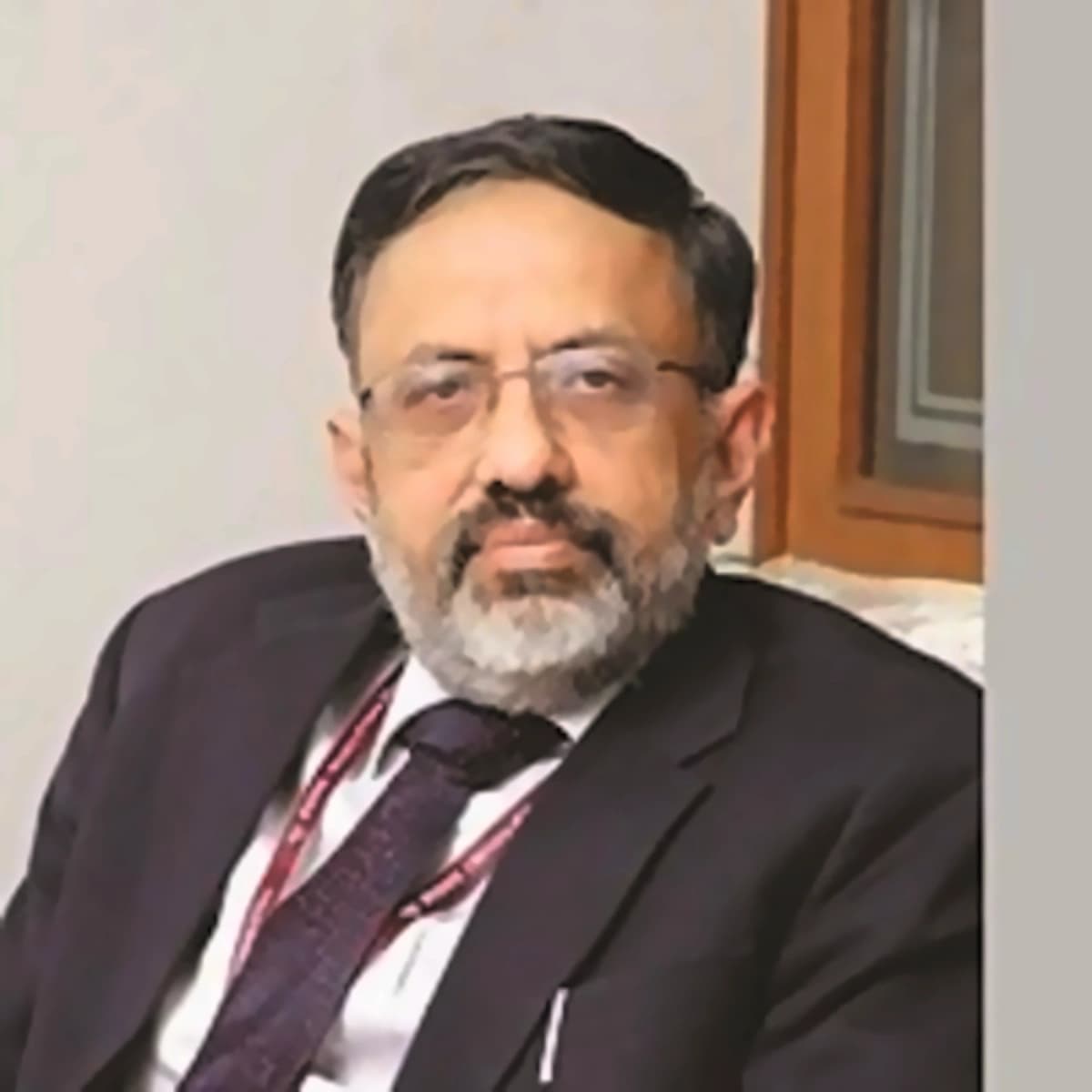
NITI Aayog Vice-Chairman Rajiv Gauba emphasized that states should prioritise electrifying public transport in select cities to accelerate India's shift away from imported petroleum fuels. Speaking at the launch of IEMI 2025, Gauba stated that a focused approach would help states drive electric mobility where it could have greater impact. According to Mint, Gauba highlighted that the transition to electric mobility was becoming an economic, environmental and strategic priority for India, with the country's dependence on imported crude oil and the risk of greater oil dependence as car ownership increases. India imports 89% of its annual crude oil demand from various countries, making the West Asia crisis a potential major inflection point for electric mobility, similar to the oil crises of the 1970s that accelerated global fuel efficiency efforts.
The IEMI 2025 report shows Delhi retained its top position with 84 points, followed by Maharashtra (78) and Karnataka (73). Chandigarh (75) and Goa (65) rounded out the top five performers. Delhi led transport electrification progress with 77 points, followed by Chandigarh (75) and Maharashtra (68). Karnataka led charging infrastructure readiness with 97 points, followed by Maharashtra (91) and Haryana (91). Maharashtra (85), Karnataka (82), and Tamil Nadu (77) were the top performers in EV research and innovation. The second edition of IEMI shows broad improvements in e-mobility performance across India, with scores ranging from 10 to 84 and a median score of 40, representing an increase from the previous year's median score of 36. The top-performing states and Union territories—Delhi, Maharashtra, Karnataka and Chandigarh—maintained their leading positions from 2024, with the median score across states and Union territories rising to 40 in 2025 from 36 in 2024.
The report revealed significant mismatches between charging infrastructure availability and EV adoption across different states. Haryana scored 91 on charging infrastructure readiness but only 19 on transport electrification progress, the lowest among large states. Uttar Pradesh showed the reverse pattern, with a transport electrification score of 58 but a charging infrastructure readiness score of only 36. The report noted that charging infrastructure and vehicle adoption are progressing at different speeds across the country, with the transition remaining uneven. Karnataka had the highest charging infrastructure readiness score among large states at 97, followed by Maharashtra and Haryana at 91 and Tamil Nadu at 73. The charging infrastructure readiness category assessed the charger-to-vehicle ratio in each territory, along with subsidies provided, and the amount of renewable energy used to generate power in the region. EV Research and Innovation Status exhibited the widest variation, with nine states and UTs classified as Top Performers and 17 as Aspirants.
The Union government has significantly expanded support for electric mobility through multiple initiatives. The ₹11,900-crore PM E-Drive scheme subsidises EV purchases across various segments including two-wheelers, three-wheelers, buses, trucks, and ambulances. The ₹25,938-crore production-linked incentive scheme for automobiles and auto parts (PLI auto) received Union cabinet approval in 2021 and continues disbursals until FY29. The FAME schemes from FY15-24 for five years each provided initial support, followed by the PM E-Drive scheme. India recorded 2.45 million EV sales in FY26, up 25% from the previous fiscal year, with the country being the world's third-largest automobile market. 29 of India's 36 states and Union Territories had notified EV policies, with 26 of India's 36 States and UTs having active EV policies by December 2025. Delhi's EV Policy 2.0 introduced a ban on petrol and diesel vehicle sales in certain segments, allowing only electric two-wheelers from April 2028 and electric three-wheelers from January 2027.
NITI Aayog is set to assess the impact of past and existing state-level EV policies and recommend directions for the next generation of these policies. While new EV policies for Gujarat, West Bengal and Goa are expected shortly, existing policies of Tamil Nadu, Telangana, Manipur, Uttar Pradesh, Rajasthan, Chhattisgarh, Himachal Pradesh, Jharkhand, Punjab, and Haryana are slated to end in 2027. The EV policies of Maharashtra, Karnataka, Madhya Pradesh, Odisha, and Kerala are set to end in 2030. Experts note that after Delhi's electrification mandates, state-level EV policies are increasingly becoming important levers of boosting adoption. Amit Bhatt from the International Council on Clean Transportation stated that "After the Delhi EV Policy, conversations have gathered pace around how states can use all available levers to accelerate EV adoption". The government is also working on similar regulations for trucks and two-wheelers, with the Bureau of Energy Efficiency discussing industry requirements.