The Delhi Master Plan 2047 introduces a comprehensive approach to urban mobility through Multi-Modal Transport Hubs (MMTHs), which will integrate metro, bus, railway and other transport facilities within a single location. According to the latest draft, three key locations are planned for development: Anand Vihar-Karkardooma, Kashmere Gate and Nizamuddin-Sarai Kale Khan road stretches. As per the draft MPD, these hubs will facilitate easy interchange between different transport modes through multi-level interchange facilities and active spaces such as retail podiums. The plan also allows separate parcels to be connected through skywalks, subways and pedestrian bridges, subject to necessary approvals, promoting safety, public interaction and economic activity through cultural and public spaces. Transit agencies will jointly prepare and execute comprehensive plans for the projects, with additional locations also being identified for developing such hubs.
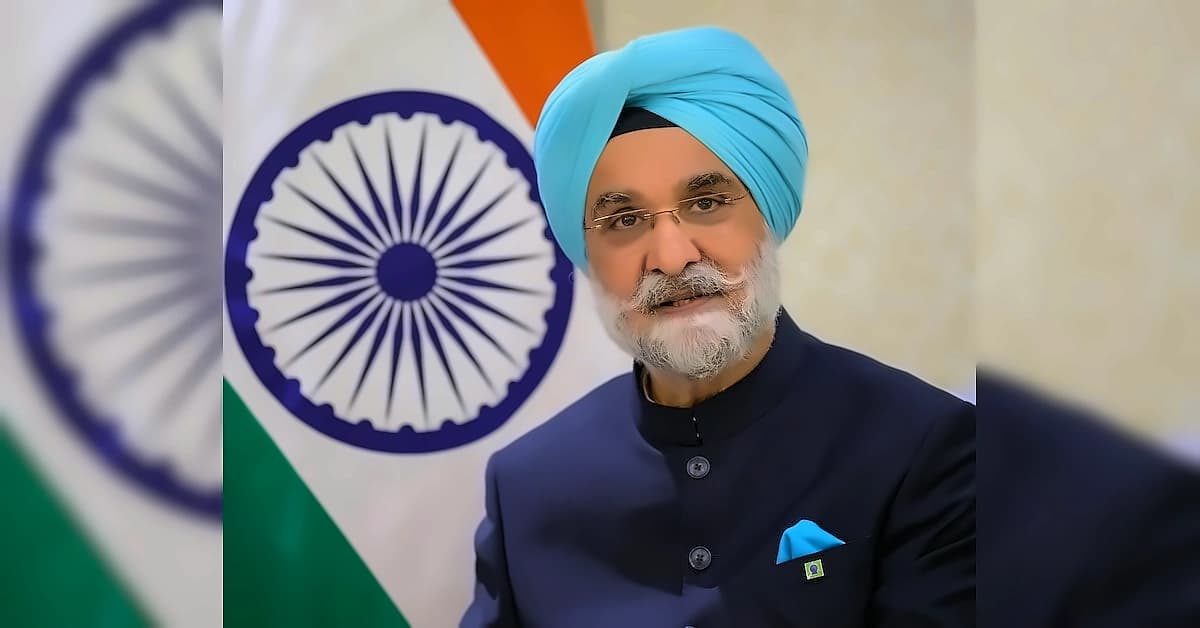
Delhi LG Taranjit Singh Sandhu on August 12 approved the 'Delhi Master Plan 2047' aimed at planned growth of the city, according to reports from PTI. The plan adopts an integrated approach towards housing, economic growth, mobility, environmental sustainability, infrastructure, heritage conservation, urban regeneration and citizen-centric governance. The DDA also decided to develop a uniform policy for redevelopment of old two-storey residential units built by the agency. As per PTI, Sandhu, who headed a meeting of the Delhi Development Authority (DDA), made the approval decision.
The DDA was previously working on MPD 2041 after the expiry of MPD 2021, but has now changed it to MPD 2047 to align with the central government's vision of Viksit Bharat 2047, as reported by PTI. With Delhi's population projected to grow significantly by 2047, this strategic shift ensures the plan aligns with national development objectives. The plan will now be sent to the Ministry of Housing and Urban Affairs, Government of India, for final approval and subsequent notification, according to the DDA statement.
The draft Master Plan for Delhi (MPD) 2047 projects that the capital will need about 40 lakh additional homes by 2047 to keep pace with population growth, smaller households and continued urban expansion, as reported by The Indian Express. Officials emphasized that affordable housing will be central to the plan, with public and private developers encouraged to build smaller homes ranging from 25 to 60 square metres of carpet area to make housing more accessible on scarce land. The plan also proposes incentives for private developers to build hostels for students and young workers, shared dormitories to keep rents low, and dedicated worker housing for labourers. The plan comes as Delhi's population is projected to reach 32 million by 2047 from the current 23 million, creating demand for nearly four million additional homes.
The new Transit Oriented Development (TOD) policy will promote planned, high-density and mixed-use developments within 500 metres on either side of the metro corridor and within a 500-metre radius around RRTS and railway stations. Under the earlier policy, maximum FAR was allowed only on plots of at least 4 hectares (40,000 square metres) located on a 30-metre road. However, under the new rules, plots as small as 2,000 square metres can be developed under the TOD provision if they are next to an 18-metre road, with a maximum permissible FAR of 5. The draft MPD states that TOD projects within a 500-metre radius of an MMTH will be considered for approval only after integration with the plan. According to Business Standard, around 207 sq km along Metro, Regional Rapid Transit System (RRTS) and railway corridors has been identified for higher-density development, with the TOD influence zone generally covering land within 500 metres of Metro corridors and 500 metres of RRTS and railway stations. These areas could accommodate around 1.7 million dwelling units over the next 10 years. The plan also allows for the possibility of high-rise residential development within 250 metres on either side of Urban Extension Road II, subject to applicable rules.
The changes come after the policy was stuck and faced a bureaucratic delay of almost four years since the 2021 Master Plan expired. According to Anarock, the share of affordable newly launched homes priced below ₹40 lakh fell from 62 per cent in 2020 to 11 per cent last year. The draft includes tweaking of the floor area ratio (FAR) for development in 70 villages of Outer Delhi and a uniform policy for reconstruction and redevelopment of old DDA-built two-storey units. To enhance public transportation, the MPD suggests that transit agencies work on Intelligent Transport Systems (ITS) and AI-based passenger and traffic management systems to support data integration, better enforcement and smoother movement between different transport modes. The proposed hubs will integrate metro, rail, bus, para-transit and non-motorised transport facilities, enabling commuters to seamlessly interchange between multiple modes within a unified transport complex. The plan also seeks to reduce procedural delays by removing the requirement for prior NOCs from several departments, including the Delhi Pollution Control Committee, Delhi Jal Board, Forest Department and Chief Inspector of Factories for building permits.