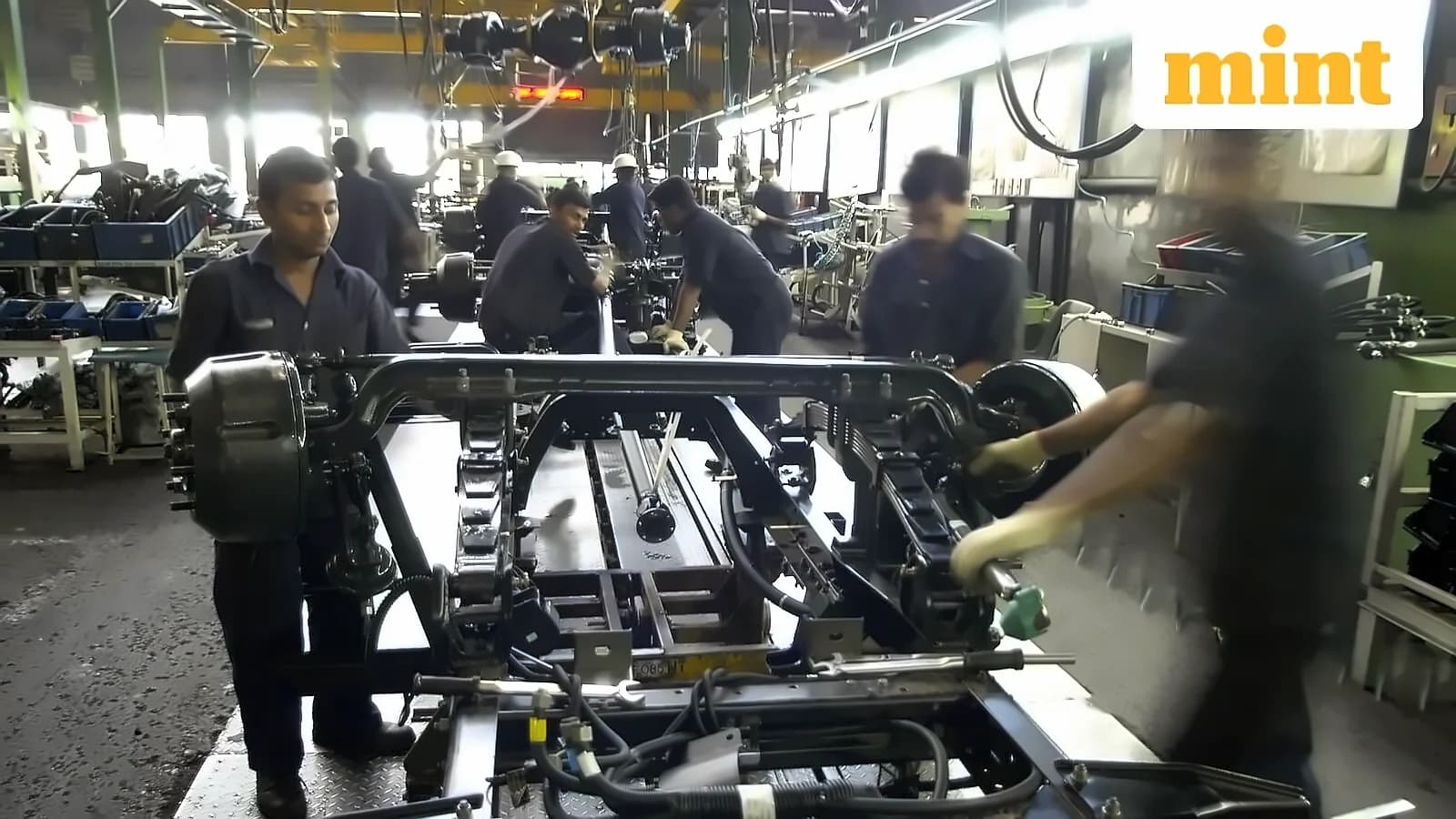
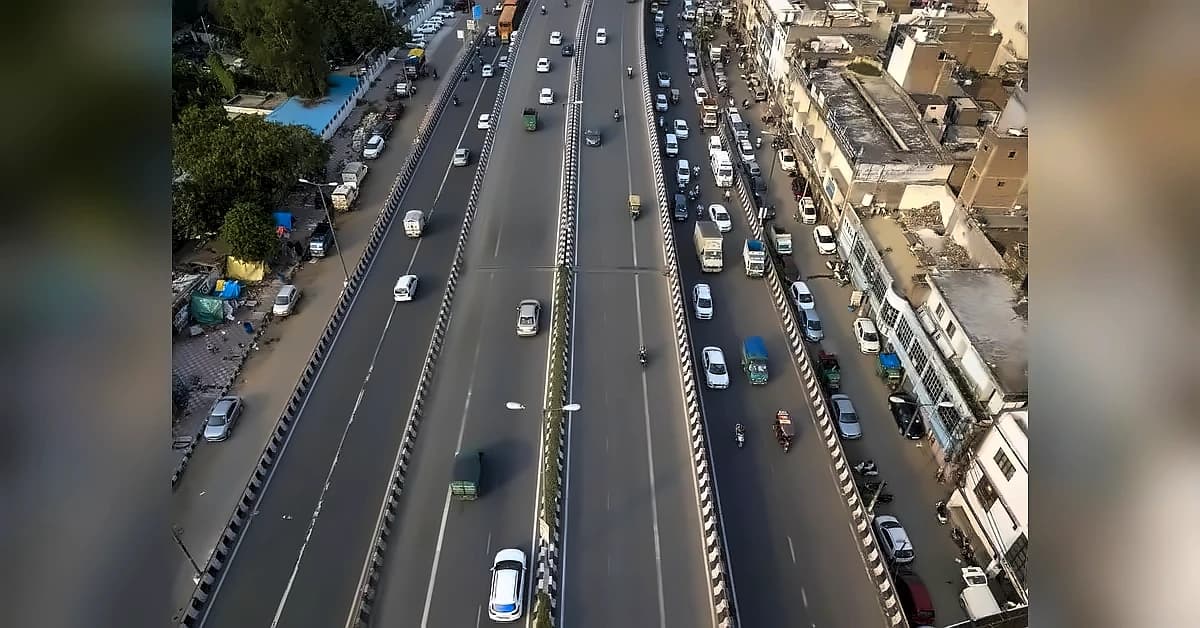
Union Minister Nitin Gadkari informed Parliament that over 50% of India's National Highway projects have exceeded their original completion schedules, representing a significant delay in infrastructure development. According to the latest parliamentary response, 629 out of 1,191 ongoing national highway projects have spilled beyond their original completion schedule, with the minister stating that over half of the 1,191 ongoing projects have spilled beyond their original completion schedule. The 1,191 projects include those under construction that have not reached any stage of completion and exclude projects under consideration for termination or foreclosure. Gadkari did not specify the reasons for the delays in his parliamentary response.
The parliamentary disclosure reveals a wide geographical spread of delayed projects across India's largest states. Maharashtra leads with 60 out of 118 highway works running behind schedule, followed by Karnataka with 47 delayed projects out of 77 active sites. Uttar Pradesh records 44 delayed works out of 87 ongoing developments, while Andhra Pradesh has 42 out of 69 projects lagging behind original timelines. In several smaller and northeastern states, almost the entirety of ongoing highway construction has overshot target dates. Kerala reported delays in 15 out of 16 ongoing projects, Nagaland saw 16 out of 19 projects miss deadlines, and Sikkim recorded delays in 9 of its 11 active sites. The figures submitted by Union Minister Nitin Gadkari in response to a question by MP Mahendra Bhatt exclude projects currently facing termination or foreclosure.
Recent parliamentary data reveals specific project status across various regions. Jammu and Kashmir has 38 National Highway projects under construction, with 25 projects exceeding their original completion schedules. In Ladakh, seven National Highway projects are under construction, of which five have exceeded their original completion schedules. Among Union Territories, Andaman and Nicobar Islands has three ongoing NH projects, all of which have exceeded their original completion schedules, while Dadra and Nagar Haveli and Daman and Diu has two ongoing projects with no reported delays. Other states with significant delay numbers include Bihar (35 delayed out of 67 ongoing projects), Madhya Pradesh (34 out of 65), Uttarakhand (31 out of 74), Telangana (29 out of 43), Assam (26 out of 52), and Tamil Nadu (23 out of 42).
In a significant development, Gadkari revealed that the government has blacklisted or penalised over 100 contractors across recent financial years for poor-quality work in the execution of National Highway construction projects. This action demonstrates the government's commitment to maintaining high construction standards and accountability in project execution. The minister did not specify the reasons for these penalties in his parliamentary response. In Gujarat specifically, 14 out of 40 active National Highway construction projects have spilled past their original completion targets, highlighting the state's significant contribution to the overall delay statistics. From 2023-24 to 2025-26, 103 contractor/concessionaire were blacklisted/penalised for poor quality work in the execution of national highway construction work.
The government has categorized the 574 delayed projects into three distinct categories based on delay duration. As per the latest parliamentary response, 300 projects are facing delays of less than one year, 253 projects are delayed by one to three years, and 21 projects are over three years behind schedule. This detailed breakdown provides insights into the varying degrees of project delays and their underlying causes across different states and project categories. Recurring execution hurdles typically involve protracted land acquisition, delayed environmental and forest clearances, utility shifting, and contractor financial constraints.
The government has adopted a comprehensive approach to modernizing highway infrastructure through advanced traffic management systems. Gadkari announced that a phased roadmap for deployment of advanced traffic management systems (ATMS) across all four-lane and above National Highways and Expressways (about 52,647 km) has been implemented. The roadmap includes establishment of Local, Regional, and National Command and Control Centres for centralised monitoring, incident management, traffic analytics, and coordinated response. To ensure interoperability, scalability, and uniform service delivery across the National Highway network, a Unified ATMS Software Platform is being implemented with standardised protocols for monitoring, enforcement, data integration, and performance management. Additionally, based on accident data from Electronic Detailed Accident Report (e-DAR) for 2023-2025, 6,358 black corridors have been identified - continuous stretches qualifying criteria of black spots with certain number of accidents involving fatalities and grievous injuries.
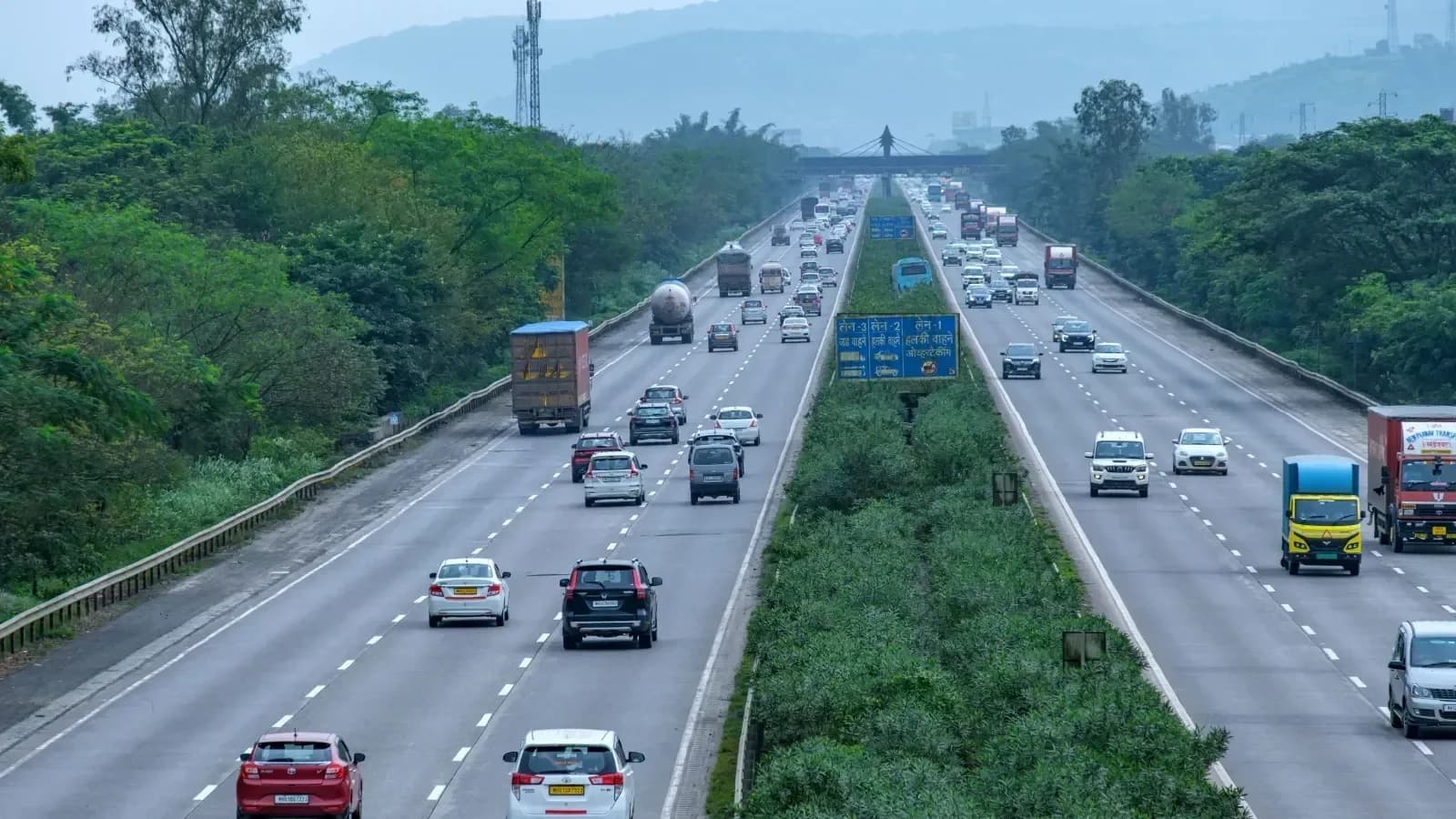
The government has introduced a FASTag-based Annual Pass for non-commercial cars, jeeps, and vans, which has come into effect from 15th August, 2025. Under this scheme, an Annual Pass can be activated on payment of ₹3,075 for the year 2026-27 and allows travel through all National Highway/National Expressway fee plazas for one year or up to 200 fee plaza crossings, whichever is earlier. As of June 2026, more than 77 lakh Annual Passes have been issued registering 63 crore transactions on National Highway Fee Plazas. Presently, around 33 per cent of total Electronic Toll Collection (ETC) transactions done by car/jeep/van are Annual Pass Transactions.