Uttar Pradesh has achieved a significant milestone in power sector performance, leading the country in electricity supply for 49 out of 90 days between May 1 and July 29, 2026. According to official data from the Uttar Pradesh Power Corporation Limited (UPPCL), the state also ranked second in power supply on an additional 32 days during this period. This performance demonstrates the state's enhanced power generation and distribution capabilities during the peak summer demand period, even as extreme weather conditions have created unprecedented challenges globally.
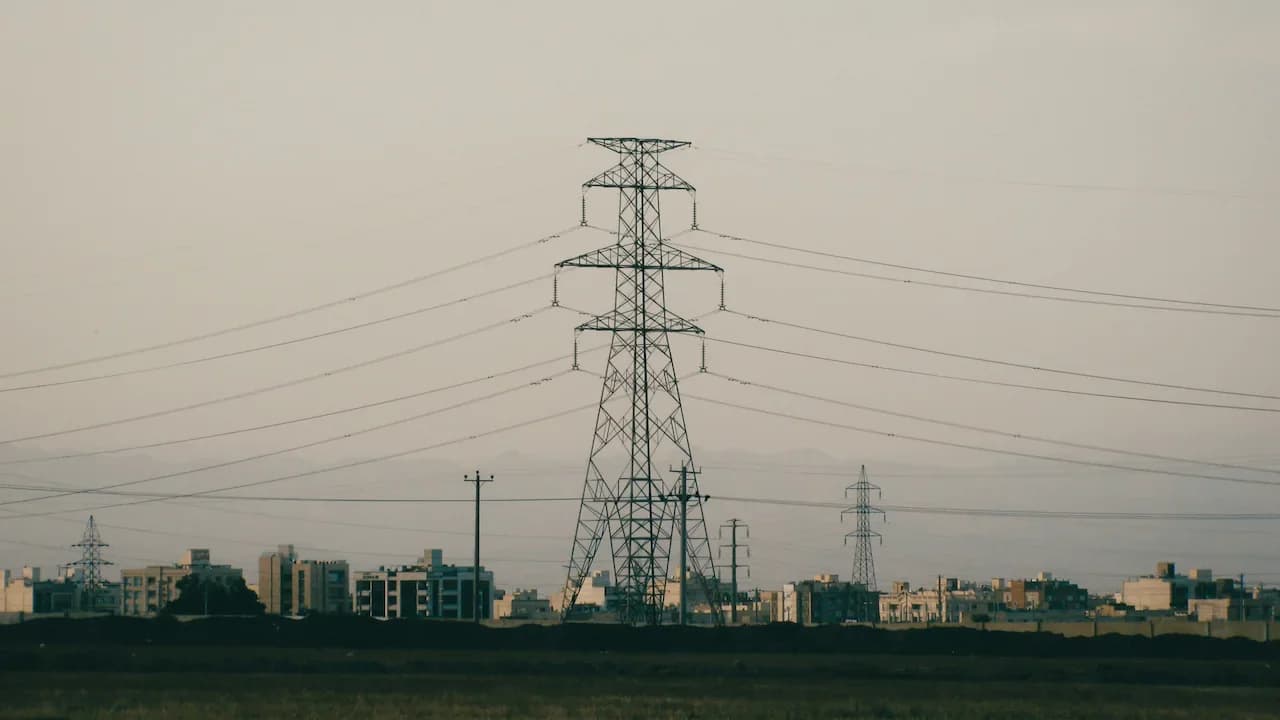
The state's power infrastructure demonstrated remarkable resilience during the summer months when electricity demand typically reaches its highest levels. As reported by UPPCL, Uttar Pradesh recorded a peak power demand of 32,673 MW on June 24, marking the highest demand recorded during this period. This peak demand was successfully managed by the state's power grid infrastructure, contributing to the overall ranking as the country's top-performing state in power supply despite facing similar extreme weather conditions that have affected power grids worldwide.
The achievement comes amid a global heatwave crisis that has devastated multiple continents this summer. According to Xinhua reports, Germany recorded approximately 9,800 heat-related deaths by July 19, surpassing the whole-year figure for any year since 2016. In Britain, official data showed 2,877 heat-related deaths during May and June heatwaves, nearly twice the annual figure for 2025. The crisis has also affected power infrastructure globally, with Hungary facing its most critical five days as its sole nuclear power plant heads toward a first-ever complete shutdown in over 40 years due to record-low water levels in the Danube, which supplies about half of the country's electricity.
The performance data reveals that power demand surged across several states during the summer months, with Uttar Pradesh emerging as the standout performer. According to UPPCL's official data, this achievement comes at a time when power demand across India increased significantly during the summer season, making the state's consistent performance particularly notable in the competitive regional power supply landscape. The state's resilience stands out against the backdrop of global power infrastructure challenges, including wildfires in Europe and record-breaking temperatures across Asia and the United States, while the world has crossed the three terawatt (TW) threshold of installed solar capacity - a milestone reached in less than two years from the previous 1TW mark.
United Nations Secretary-General Antonio Guterres has warned that this summer's extreme weather events are only the beginning of a more dangerous climate future. Speaking to reporters, Guterres cited updated El Nino forecasts from the World Meteorological Organization (WMO), stating that El Nino is strengthening and adding fuel to a planet already on fire. The UN chief emphasized that nearly every land area on Earth is expected to be hotter than normal through October, with El Nino's effects on rainfall creating additional challenges. Guterres warned that India's monsoon is already running well below average, with hotter and drier conditions forecast across Central America, South America, South Asia, the Southwest Pacific, Europe and Africa. He stressed that every new fossil fuel project approved today makes tomorrow's heatwaves more dangerous, calling for international efforts to tackle the root cause of the climate crisis.