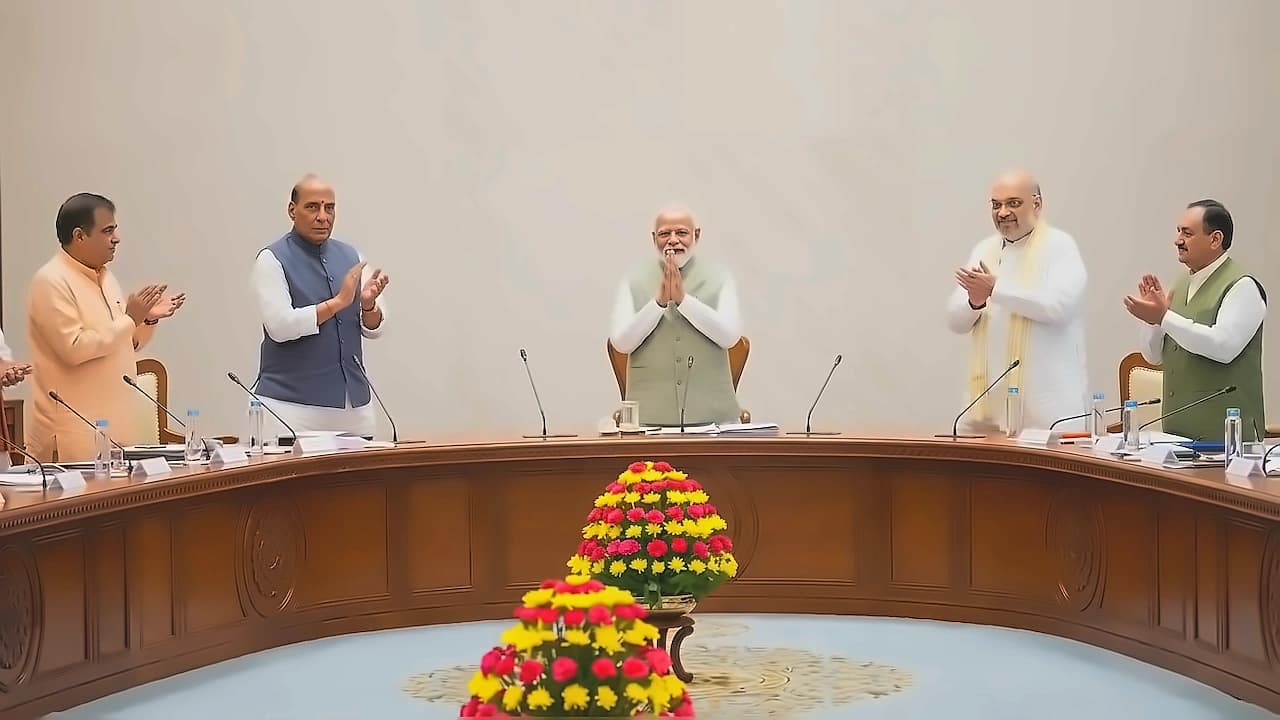
The Union Cabinet led by Prime Minister Narendra Modi approved projects worth ₹4,703 crore on Wednesday, June 11. According to reports from Zee News and multiple financial news sources, these approvals include significant infrastructure developments across multiple cities. The cabinet meeting was held on Wednesday, marking a significant day for India's urban development initiatives.
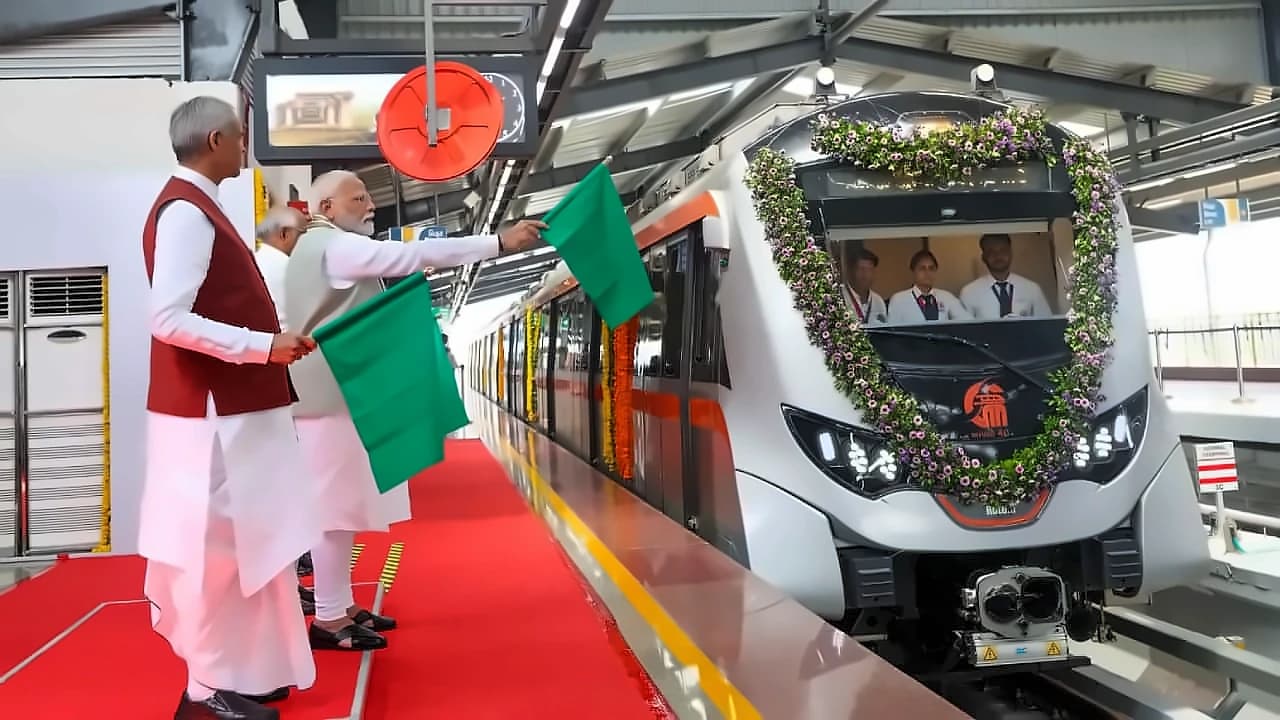
The cabinet approved the extension of Ahmedabad Metro Phase 2A with a total outlay of ₹2,169.04 crore. As reported by Zee News and confirmed by multiple financial news sources, the extension will connect the existing metro to the Airport and the upcoming Commonwealth Games complex. The 6.032 km corridor will connect Koteshwar Road to Ahmedabad Airport, featuring five stations - Ashram Road, Koteshwar Prachin Mandir, Sabarmati River, Sardar Nagar and Airport. The project will include four elevated stations and one underground station, with the corridor connecting key zones including residential and commercial hubs with the existing Ahmedabad-Gandhinagar corridor. The total completion cost, including interest during construction (IDC), has been pegged at ₹2,169.04 crore. Additionally, sports facilities will likely be developed in the vicinity for the World Police Games 2029 and Commonwealth Games 2030, improving transit access for athletes, officials, visitors and residents. According to Business Standard, the project will be completed in four years and will provide faster connectivity from Ahmedabad, Gandhinagar and GIFT City to the Sardar Vallabhbhai Patel International Airport.
The Ahmedabad Metro Phase 2A project is expected to generate 2,500 jobs during the peak period of construction activity and 500 persons are likely to work during Operation & Maintenance of the system. According to Business Standard and confirmed by multiple financial news sources, these employment figures demonstrate the substantial economic impact of the metro extension project. The corridor will help reduce traffic congestion by providing an efficient alternative to road transport while improving integration with railway stations, bus terminals and other public transport networks. The government also expects the project to support commercial activity and urban development around the new metro stations, with improved connectivity to key transport hubs such as the airport, railway stations and bus depots expected to boost economic activity and facilitate business growth.
With the completion of Phase 2A, the operational metro rail network across Ahmedabad and Gandhinagar will expand to 77.63 km. As reported by Zee News, the corridor is aimed at improving connectivity between Ahmedabad Airport and other parts of the city while integrating with the existing Ahmedabad-Gandhinagar metro network. The project will connect residential and commercial areas that currently have limited access to rapid public transport. The extension of the Metro Rail network to the airport will be particularly impactful inside Ahmedabad as the reduction in road traffic will lead to smoother movement of vehicles, a reduction in travel time and an increase in overall road safety. With the increase in the overall metro rail network in Ahmedabad and Gandhinagar cities, carbon emissions are also expected to come down. The enhanced connectivity can stimulate local businesses, especially in areas near new metro stations, which can also attract investment and development in previously less accessible regions. The corridor will also have multimodal integration points with the railways, the upcoming Mumbai-Ahmedabad bullet train, and bus terminals.
Beyond the metro extension, the cabinet approved ₹1,299 crore for construction of a central government office and ₹1,235 crore for residential complexes in Amaravati. As reported by NDTV Profit, the government has planned to shift all central government offices in the city to the proposed complex. These approvals represent a significant investment in Amaravati's development as a major administrative hub.