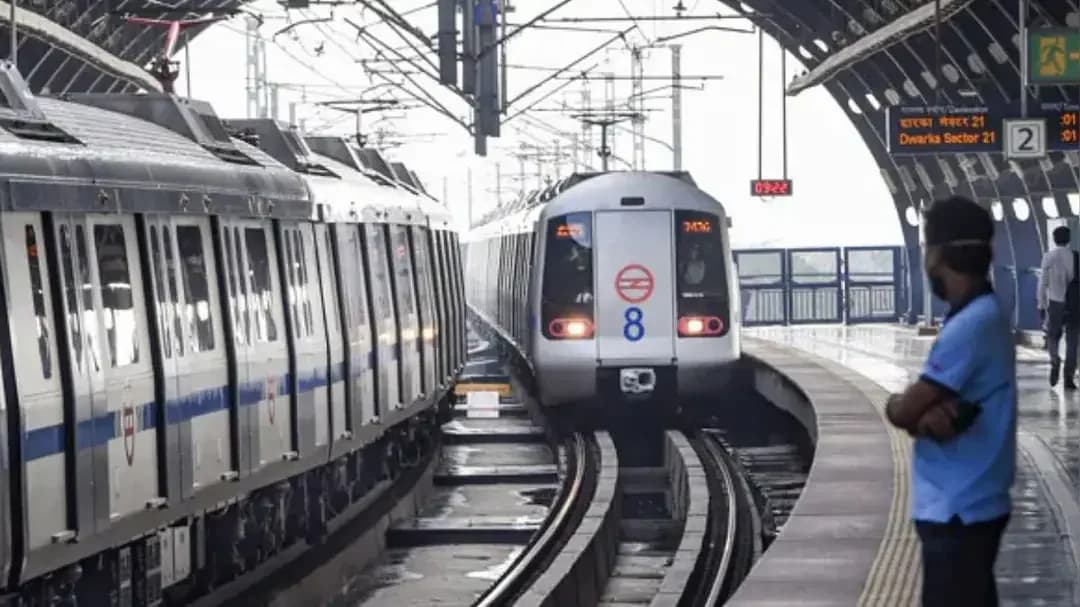
The Ahmedabad-Gandhinagar Metro network has recorded a total of 13.81 crore passenger journeys since its expansion in October 2022, according to information released by the Gujarat government. The metro now operates across a 68.28-km network with 54 stations, emerging as a key component of public transport in Gujarat's largest urban corridor. Average daily ridership has shown consistent growth, rising from 69,000 passengers in 2023 to 1.01 lakh in 2024, 1.33 lakh in 2025, and reaching 1.53 lakh by May 2026. As reported by the Gujarat government, the project stemmed from a vision conceived during PM Modi's tenure as Gujarat Chief Minister to reduce traffic congestion and improve connectivity between urban centres. The government emphasized that "connectivity is a measure of a city's progress" and noted that a modern and integrated transport infrastructure is directly linked to development, employment, tourism and the quality of life of citizens.
The metro system has demonstrated significant capacity during major sporting and entertainment events. During an IPL match at the Narendra Modi Stadium on April 30, more than 2.26 lakh passengers used the Metro, while another IPL fixture on May 21 recorded more than 2.22 lakh passenger journeys. The system also handled substantial traffic during a World Cup cricket match on February 18 this year, with more than 2.21 lakh passengers travelling. The metro played a major role in transporting concertgoers during Coldplay's performances in Ahmedabad on January 25 and 26 last year, when more than 4.11 lakh passenger journeys were recorded across the two days. According to the Gujarat government, "For the citizens of Ahmedabad and Gandhinagar, the Metro has become not merely a mode of transport but a preferred option for fast, affordable and reliable travel".
The metro network has been integrated with multiple local transport systems, including the Ahmedabad Municipal Corporation (AMC), Gandhinagar Municipal Corporation (GMC), Ahmedabad Municipal Transport Service (AMTS), Bus Rapid Transit System (BRTS) and Indian Railways. More than 200 buses currently pass through Metro stations, providing last-mile connectivity for passengers. According to the Gujarat government statement, the metro has become "a strong example of fast, safe and reliable public transportation" following the implementation of Phases 1 and 2 of the project. The government noted that students, office-goers and visitors are increasingly relying on the Metro for daily commuting, with the network serving as a preferred transportation option for urban travelers.
To cater to increased travel demand during Summer Vacation 2026, Gujarat State Road Transport Corporation (GSRTC) operated approximately 19,200 special extra trips, benefiting 9.60 lakh passengers. Under the guidance of Deputy Chief Minister Harsh Sanghavi, GSRTC operated additional trips to major destinations including Ahmedabad, Rajkot, Surat, Vadodara, and Godhra, as well as to religious and tourist spots such as Somnath, Dwarka, Pavagadh, Shamlaji, and Ambaji. To enhance public transportation, the government strengthened the state's transport network by inducting 300 new buses into service with immediate effect. Following Prime Minister Narendra Modi's appeal to promote public transport usage, buses operated by GSRTC have witnessed a daily increase of up to 15,000 passengers. Currently, GSRTC operates more than 7,000 schedules and 33,000 trips daily, covering approximately 33 lakh kilometres and provides services to over 27 lakh passengers daily.
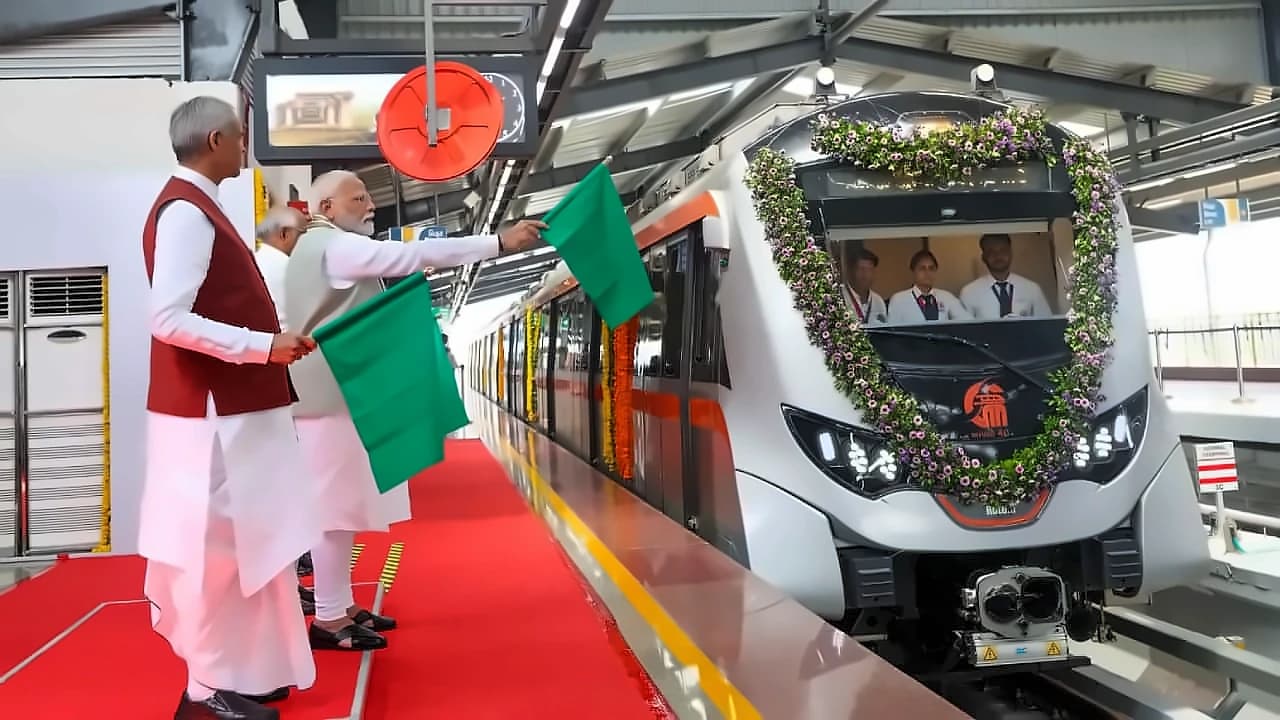
The state government has outlined expansion plans to meet growing urban transport demand, with proposed projects including the GIFT City extension, airport connectivity and Ahmedabad Metro Phase-3, which together would add more than 68 km of new corridors. These proposals are currently at various stages of approval with the Central government. The original vision behind the Metro was to particularly benefit young people, students and lower-income groups living in densely populated areas and commuting to other parts of the city for work or education, with the metro alignment designed accordingly to serve these objectives. The government emphasized that once planned extensions are completed, the network will cover more areas of Ahmedabad and Gandhinagar and further strengthen Gujarat's urban transport infrastructure.