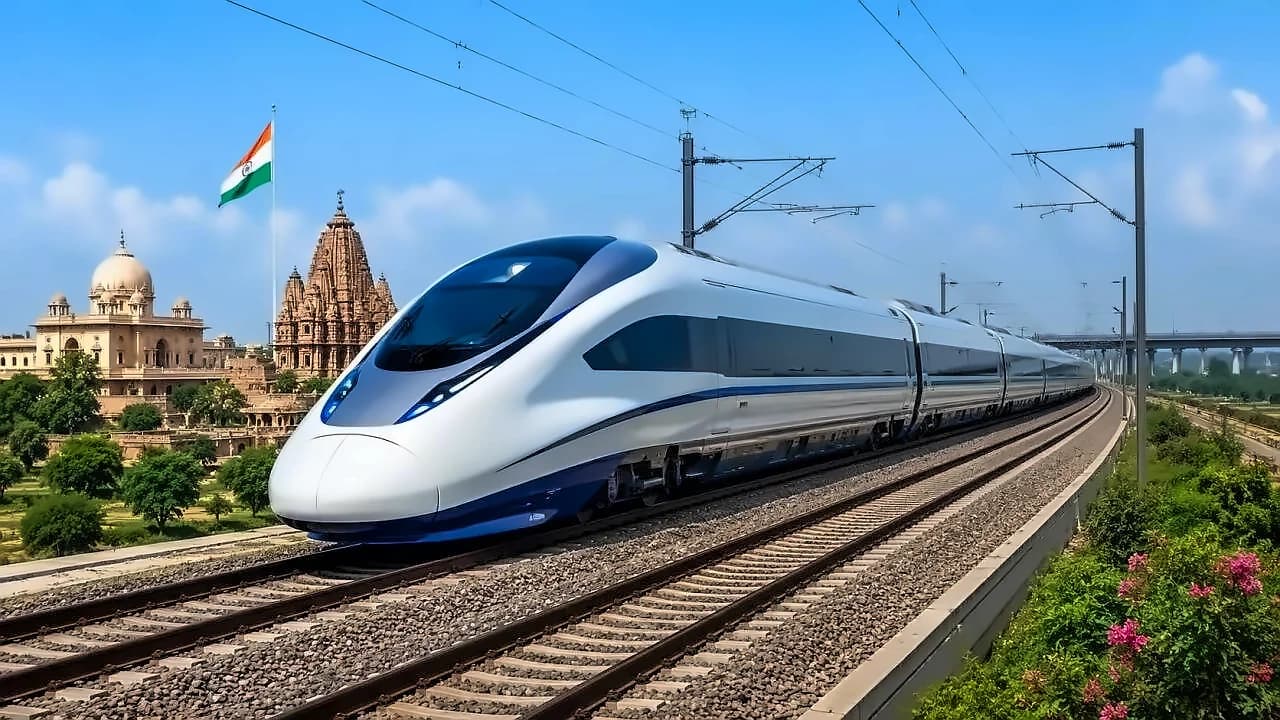
The Cabinet Committee on Economic Affairs, chaired by Prime Minister Narendra Modi, has approved the Ahmedabad (Sarkhej) – Dholera semi high-speed double line project of the Ministry of Railways. According to reports from The Times of India and Zee News, the project will be developed under the Ministry of Railways with an estimated investment of ₹20,667 crore. This corridor will become the first semi high-speed rail project of Indian Railways to be developed using indigenously developed technology. The ambitious 134-km rail corridor is targeted for completion by 2030-31 and is being projected as a landmark step in India's transport modernisation push under the PM Gati Shakti National Master Plan.
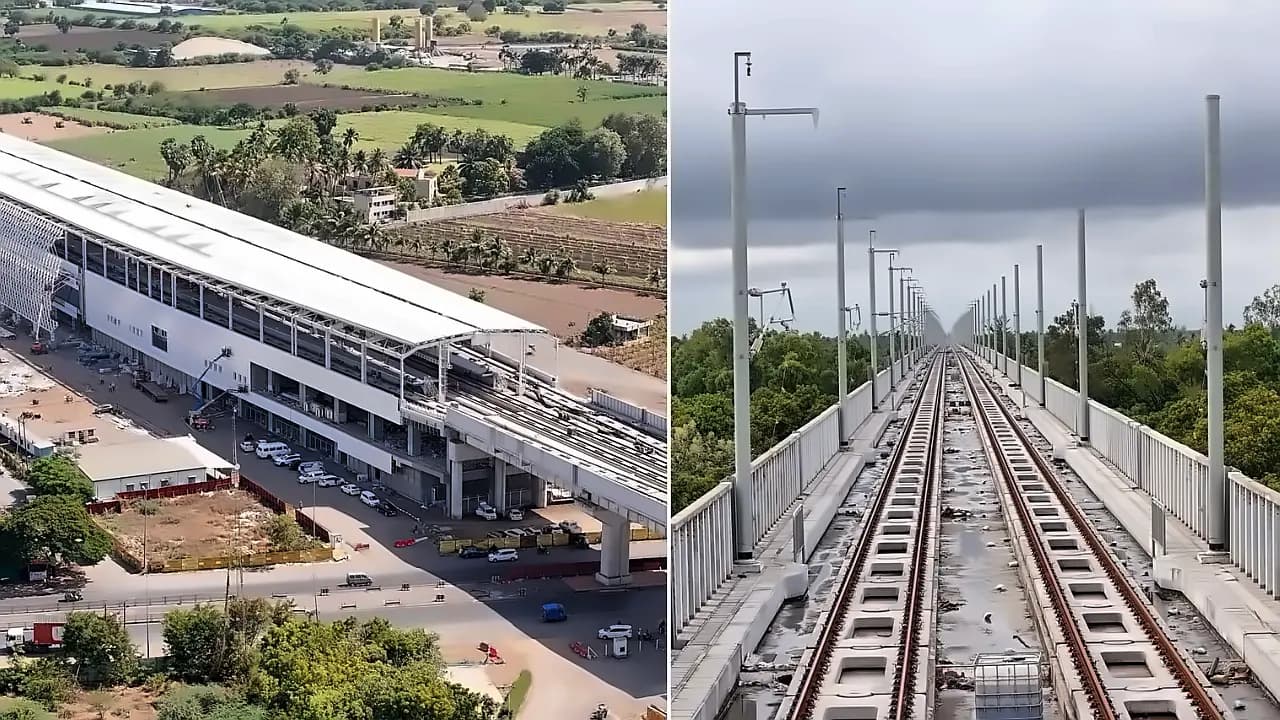
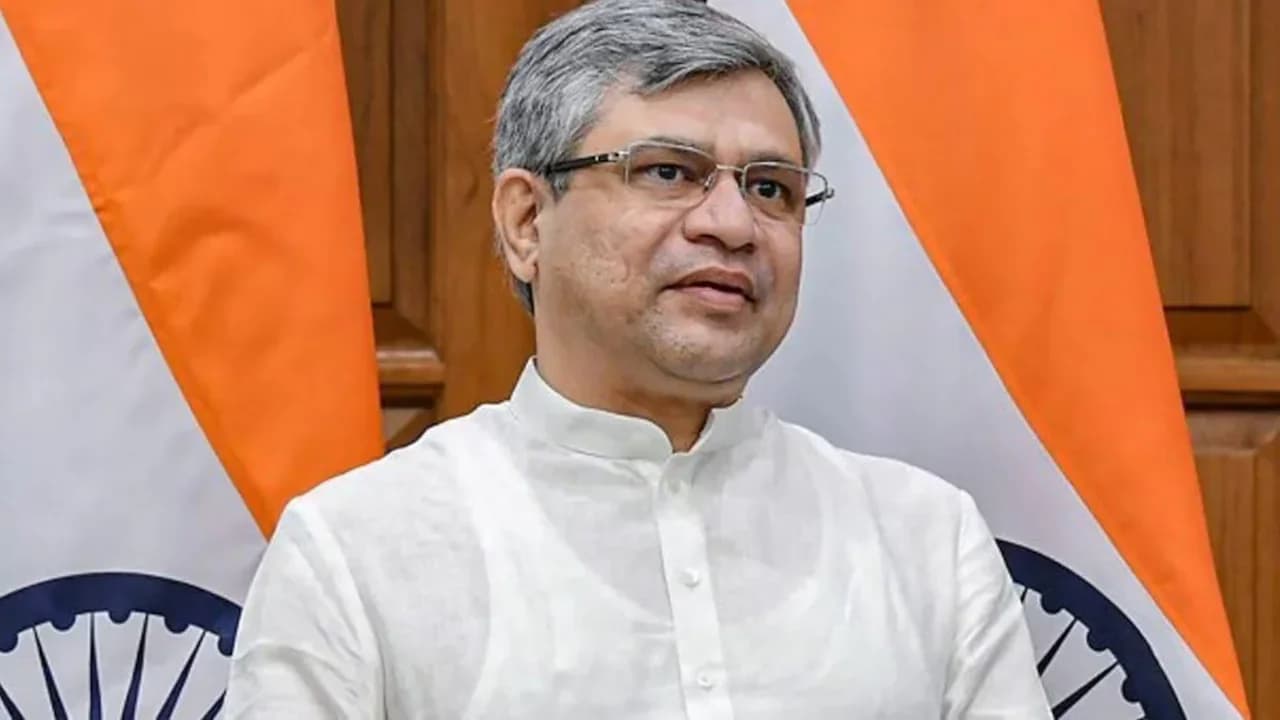
As reported by The Times of India and Zee News, Railway Minister Ashwini Vaishnaw announced that Sabarmati to Dholera travel time will come down to 48 minutes with the new railway line. The proposed rail line is expected to improve connectivity between Ahmedabad, Dholera Special Investment Region, the upcoming Dholera International Airport and the Lothal National Maritime Heritage Complex. The corridor will feature 13 stations with trains operating at 200 kmph, marking a significant milestone in India's railway modernization efforts. The project will increase the existing network of Indian Railways by about 134 kilometres and enhance connectivity to around 284 villages and 500,000 people. The corridor will be elevated and will feature three mega bridges.
According to the Cabinet release reported by The Times of India and Zee News, the new railway line is aimed at strengthening direct connectivity and improving mobility while enhancing operational efficiency and service reliability for Indian Railways. The project is expected to boost industrial growth, improve logistics efficiency and generate large-scale employment opportunities in the region. The line is being planned to support the major economic activity expected in Dholera, with the government targeting to make the city a major electronics manufacturing hub. The project will have multiple integrations with the Mumbai-Ahmedabad high-speed rail, metro, and dedicated freight corridor systems in Gujarat. Beyond passenger convenience, the government highlighted significant environmental benefits, stating that the rail corridor would help reduce oil imports by nearly 0.48 crore litres and cut carbon emissions by about 2 crore kilograms — equivalent to planting nearly 10 lakh trees.
Railways Minister Ashwini Vaishnaw announced that the Ahmedabad-Dholera corridor will serve as a model for future semi-high-speed rail projects across India. As reported by Business Standard, Vaishnaw stated that "Trains will run at 220 kmph on the Ahmedabad-Dholera line. Once we achieve success on this, all surface (at-grade) projects will be upgraded to semi-high speed, and all major cities will be connected to the bullet train (high-speed rail) network." Currently, most Indian railway tracks have permissible speed limits between 110 kmph and 160 kmph, although the latter is not prevalent yet. The project is aligned with the government's vision of creating an 'Atmanirbhar Bharat' through infrastructure-led economic development and stronger multimodal connectivity. The corridor will also connect to Bhavnagar, where a port will be developed, positioning it as a pioneering model for phased expansion of semi high-speed rail across the country.
Meanwhile, the Mumbai-Ahmedabad bullet train project has made significant progress with the first Tunnel Boring Machine (TBM) cutterhead successfully lowered at Vikhroli in Mumbai's eastern suburbs. According to NDTV Profit, the 13.6-metre diameter cutterhead, weighing 350 tonnes, was lowered on Sunday marking the final stage in the primary assembly of the TBM's main shield. Two TBMs, each weighing more than 3,000 tonnes, are being assembled for the construction of a 16-km section of the 21-km-long Mumbai tunnel, which includes a 7-km undersea tunnel beneath Thane Creek - India's first undersea rail tunnel. The TBM will excavate an approximately 6-km stretch from Vikhroli to Bandra Kurla Complex (BKC), passing beneath densely populated urban areas and the Mithi river before reaching the under-construction Mumbai bullet train station at BKC.