The Cabinet Committee on Economic Affairs (CCEA), chaired by Prime Minister Narendra Modi, on Wednesday approved two major highway infrastructure projects worth a combined ₹14,114.81 crore. As announced by Union Minister Ashwini Vaishnaw, the projects are designed to improve connectivity, reduce travel time and boost economic activity under the PM GatiShakti National Master Plan. The approved projects include a ₹6,969.67 crore tunnel project in Delhi and a ₹7,145.14 crore greenfield highway corridor in Uttar Pradesh, demonstrating the government's commitment to comprehensive regional connectivity improvements. The Delhi project will connect the Shivmurti Interchange on the Dwarka Expressway (NH-248BB) with Nelson Mandela Marg in Vasant Kunj, while the Uttar Pradesh project involves the 242-km Kanpur-Kabrai corridor that forms part of the Bhopal-Kanpur Economic Corridor.
The Delhi tunnel project involves construction of NH-148AE linking Dwarka Expressway (NH-248BB) with Nelson Mandela Marg at Vasant Kunj. The tunnel will be constructed as a 3.14-km underground twin-tube tunnel using Tunnel Boring Machine (TBM) technology that will pass beneath the ecologically sensitive Southern Ridge Forest. The alignment will begin from the Shiv Murti Interchange and terminate before the intersection of Nelson Mandela Marg and Mahipalpur-Chhatarpur Road. The proposed tunnel passes through the Rangpuri (South Delhi) Ridge and has been designed as a twin-tube tunnel to be constructed using a tunnel boring machine. Around 1.98 km of the tunnel will run under the forest area to minimise surface disruption, with the project passing beneath the environmentally sensitive Southern Delhi Ridge. The Delhi project will be developed as a greenfield corridor under the Hybrid Annuity Model (HAM) and is expected to be completed within five years. The tunnel is designed to cater to 37,000 cars every day once completed and will provide connectivity to six PM GatiShakti economic nodes and four logistics nodes.
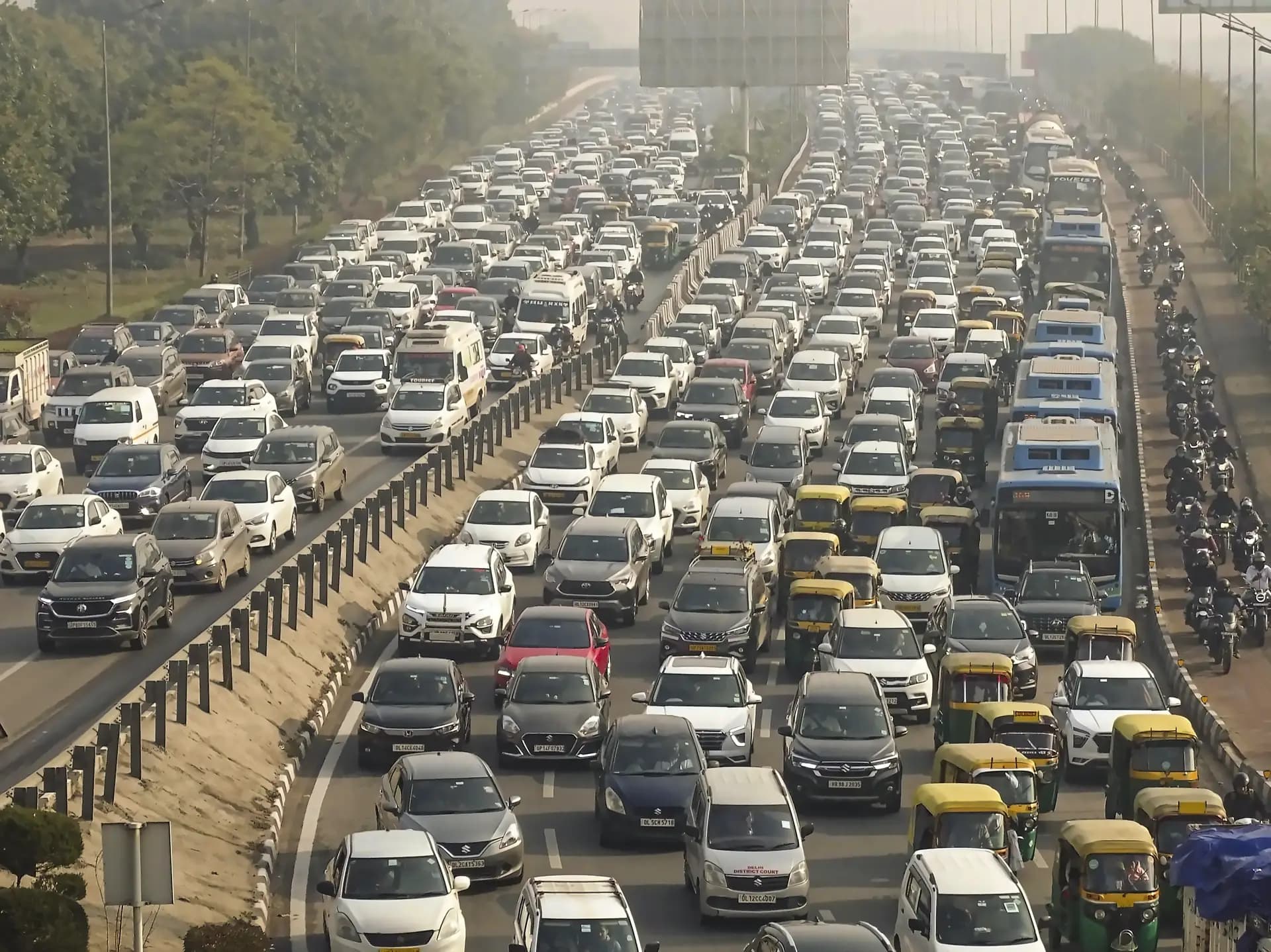
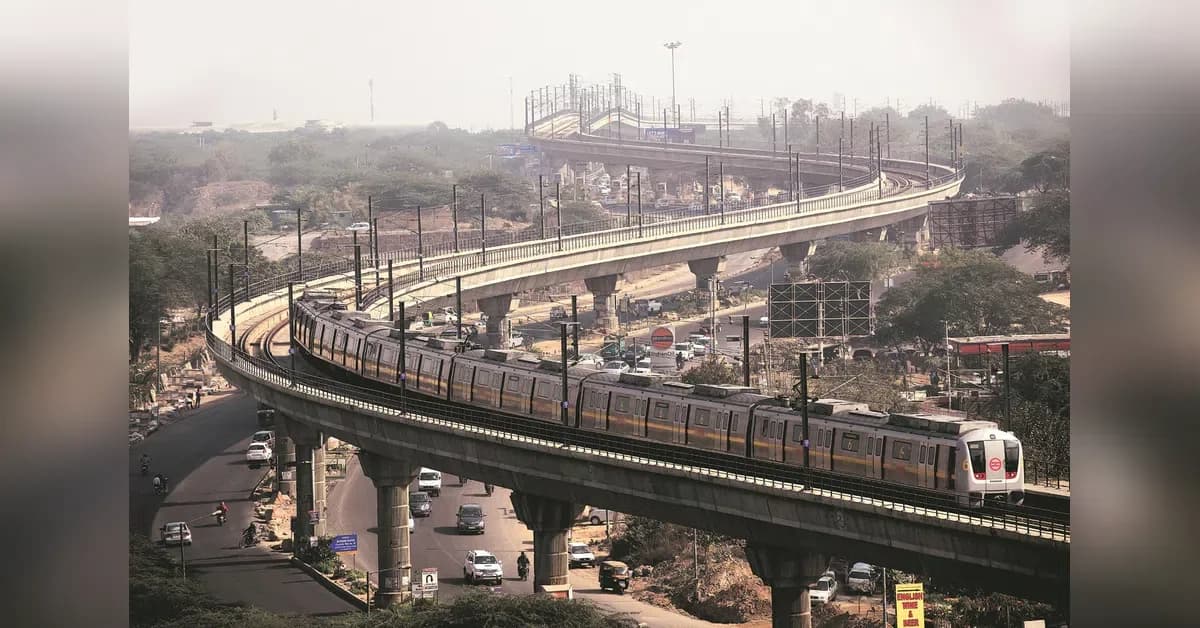
The ₹6,969-crore tunnel project is specifically designed to ease congestion on key airport corridors and improve connectivity to South Delhi, addressing long-standing traffic bottlenecks around Shiv Murti, Mahipalpur, Aerocity and Vasant Kunj that have slowed access to Delhi's Indira Gandhi International (IGI) Airport. According to the CCEA statement, the tunnel will facilitate smoother movement of traffic between Gurugram, Dwarka, IGI Airport and West Delhi towards South Delhi, reducing dependence on already congested surface roads. For airport users, this could translate into faster and more predictable travel times, particularly during peak hours, benefiting airline passengers, taxis, app-based cab operators, airport employees, cargo transporters and business travellers. The project could also enhance connectivity to Aerocity, which has emerged as one of Delhi-NCR's key hospitality and commercial hubs, housing hotels, offices and convention facilities that rely heavily on seamless airport access.
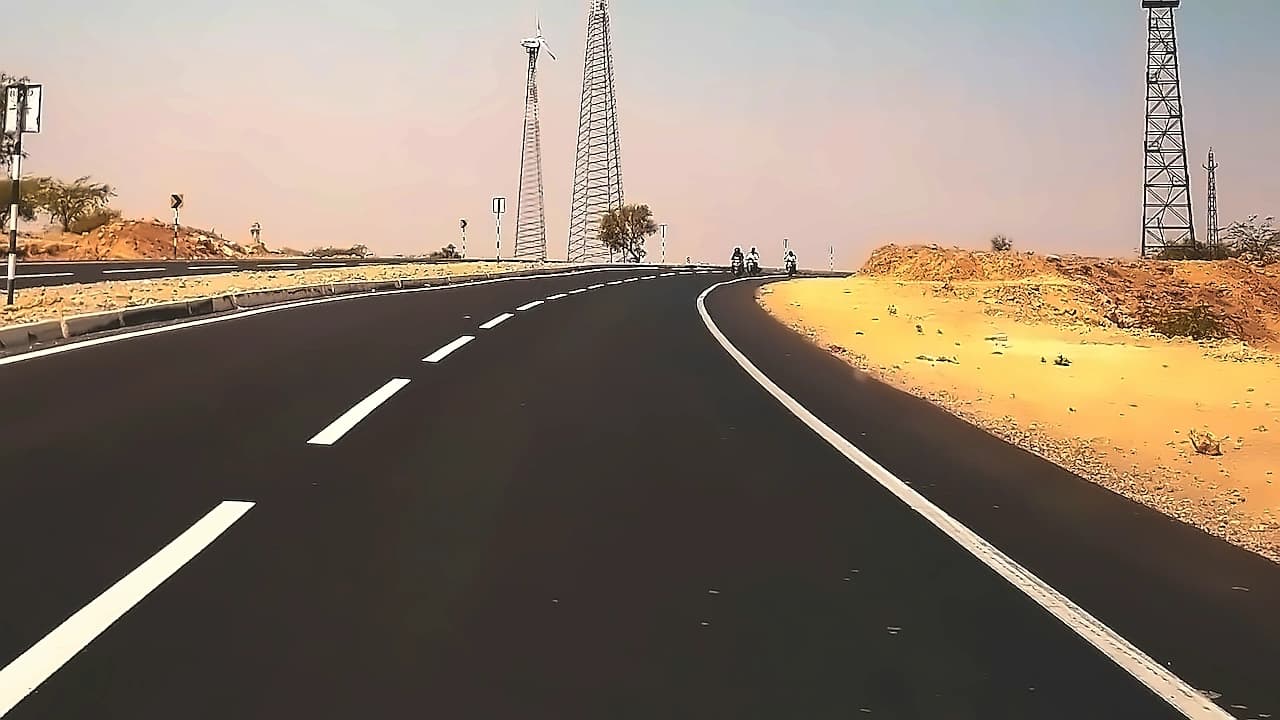
The project includes a 1.8-km elevated road along Nelson Mandela Marg to decongest the busy intersection, along with an additional flyover from Chhatarpur towards Mahipalpur and an elevated U-turn facility. The total project length of 8.1 km comprises a 6.3-km main carriageway along with tunnel approach ramps, retaining wall approaches, elevated sections and at-grade roads. The National Highways Authority of India (NHAI) is also proposing an elevated corridor between AIIMS and Mahipalpur, which will connect the tunnel with the Barapullah elevated road. This integrated network will connect West Delhi and South Delhi with East Delhi, Ghaziabad and Noida, creating a comprehensive high-speed corridor system across the capital region. As per Minister Vaishnaw, "This tunnel will be a big boon for Delhi. It will reduce congestion near the Delhi airport, and will become a new artery for the national capital."
The government estimates that every lane-kilometre of national highway construction generates around 264 person-days of direct employment and 55 person-days of indirect employment. Based on this calculation, the Delhi tunnel project alone is expected to create nearly 7.54 lakh person-days of direct employment and 9.8 lakh person-days of indirect employment, besides generating additional economic activity in the surrounding areas. As reported by the CCEA, the project will also induce additional employment opportunities due to increase in economic activity in the vicinity of the proposed high-speed corridor. The improved road network will also enhance access to markets, generate employment during construction and strengthen regional transport infrastructure.