The Union Cabinet has approved a ₹1,789.52 crore Intelligent Traffic Management System (ITMS) for Delhi to introduce real-time traffic management, AI-enabled signals and technology-based enforcement across the national capital. According to government reports, the project will be implemented by Delhi Police and will cover 42 identified traffic corridors in three phases over 24 months, followed by five years of operation and maintenance. The Cabinet Committee on Economic Affairs (CCEA), chaired by Prime Minister Narendra Modi, approved the project on Wednesday, September 30, representing a significant shift from Delhi's current traffic management system, which relies heavily on fixed-timing signals and manual intervention. As per Union Railways Minister Ashwini Vaishnaw, the current system operates with 1,529 traffic signals on fixed timers, meaning signals programmed for 30-35 seconds remain red for the full duration regardless of traffic conditions.
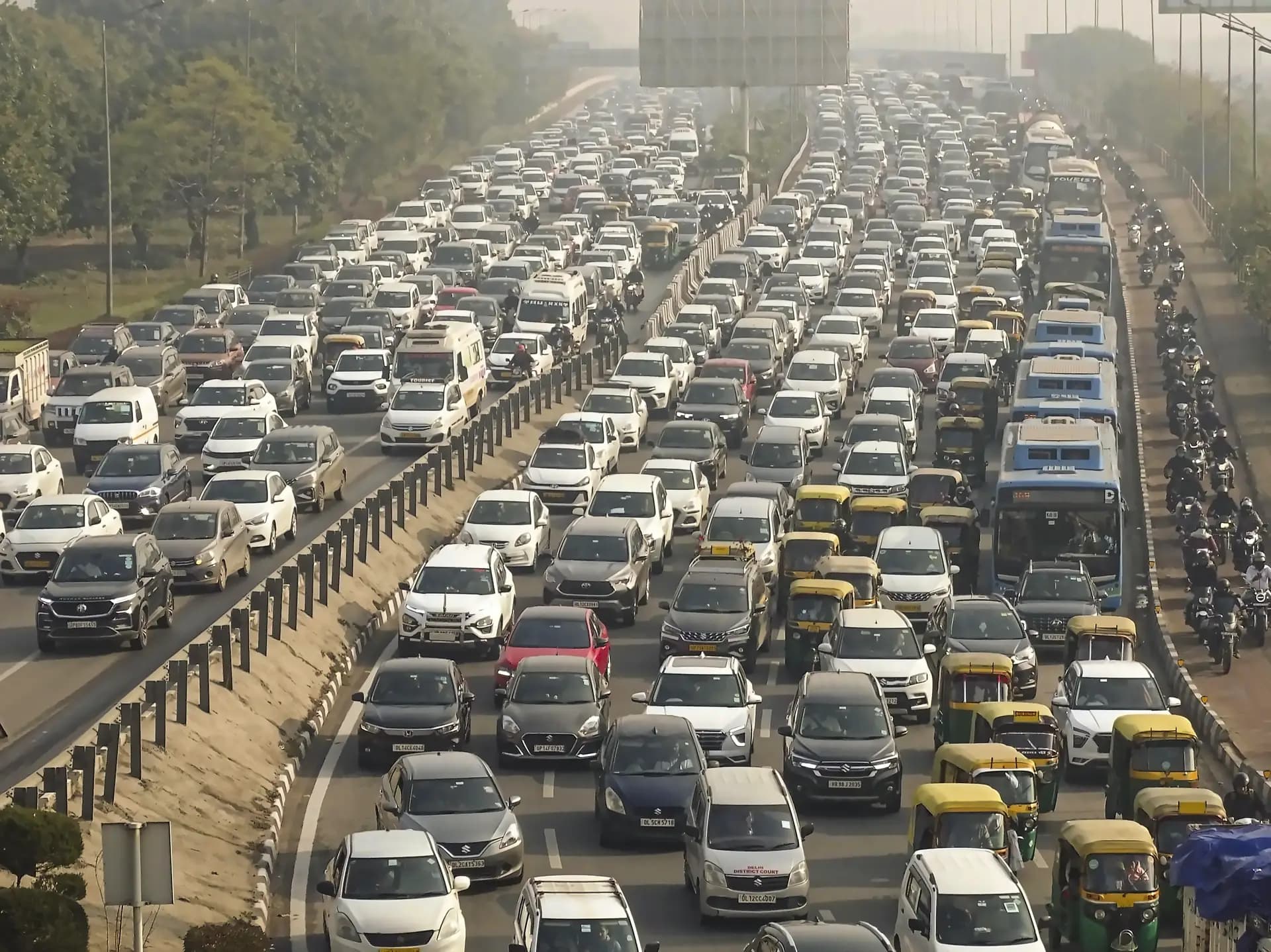
The ITMS will use real-time traffic data, adaptive traffic signals, cameras and artificial intelligence to manage Delhi's existing road network. As reported by government sources, the system will cover 1,092 Adaptive Traffic Control System locations and 1,029 enforcement locations with cameras and technology to automatically detect traffic violations. Unlike conventional signals that operate on fixed cycles, adaptive signals use real-time information about traffic flows to alter the duration and sequencing of red and green lights. Signals along corridors can be coordinated so that traffic moves more continuously instead of repeatedly stopping at successive junctions. The system will monitor congestion, slow-moving traffic and accidents or other incidents in real time, allowing Delhi Police to divert traffic or respond to incidents more quickly. According to Minister Vaishnaw, the system will enable intelligent solutions such as no lights operating during low-traffic periods at roundabouts, with circular sequence monitoring and 5-second intervals during intense traffic periods.
According to government data, Delhi has around 7.1 million active registered vehicles, with vehicle numbers having grown faster than road infrastructure expansion. The system will address these challenges through adaptive traffic control systems that adjust signal timings according to prevailing traffic conditions and coordinate signals along identified corridors. The project aims to turn Delhi's traffic network from a collection of independently timed signals into one connected system that can sense traffic, respond to it and communicate responses to motorists in real time. The move comes as Delhi's vehicle population continues to put pressure on its existing road network, with the capital having around 71 lakh active registered vehicles while road infrastructure has not expanded at the same pace. As per government reports, vehicular growth has reportedly outpaced the expansion of road infrastructure, resulting in traffic regulation heavily dependent on fixed signal timings and manual intervention.
The ITMS will strengthen automated detection of violations, including speeding, red-light jumping, wrong-way driving, illegal parking and non-use of helmets or seat belts. AI-based systems will help identify stolen, blacklisted and repeat traffic offenders, and vehicles linked to hit-and-run incidents. The system will also facilitate green corridors and give priority to ambulances and emergency vehicles, allowing them to move faster through congested stretches. Commuters will receive updates on traffic, diversions and parking through Variable Message Signs and digital platforms, with some information potentially shared with navigation apps and service providers. The technology will also support priority movement for ambulances and other emergency vehicles through green corridors. Real-time detection of congestion and incidents is likely to aid Delhi Police in initiating prompt diversions, while Variable Message Sign boards and digital platforms will inform commuters about traffic, diversions, and parking availability.
Delhi Police will implement the project through a Master System Integrator selected through competitive bidding. According to government reports, the Centre for Development of Advanced Computing (C-DAC) will provide technical support as the Project Management Consultant, including technical scrutiny, monitoring, validation and acceptance during implementation, operation and maintenance. The new system will bring traffic management, enforcement and traffic information onto a single platform through Traffic Command and Control Centres, which will be supported by a central data centre and disaster recovery infrastructure. The project will use open standards and APIs to allow different systems and future technologies to be integrated rather than locking Delhi into a single technology platform. As per government sources, the ITMS is part of wider efforts by the Central Government and the Government of NCT of Delhi to improve traffic management, transport infrastructure and urban mobility in Delhi.