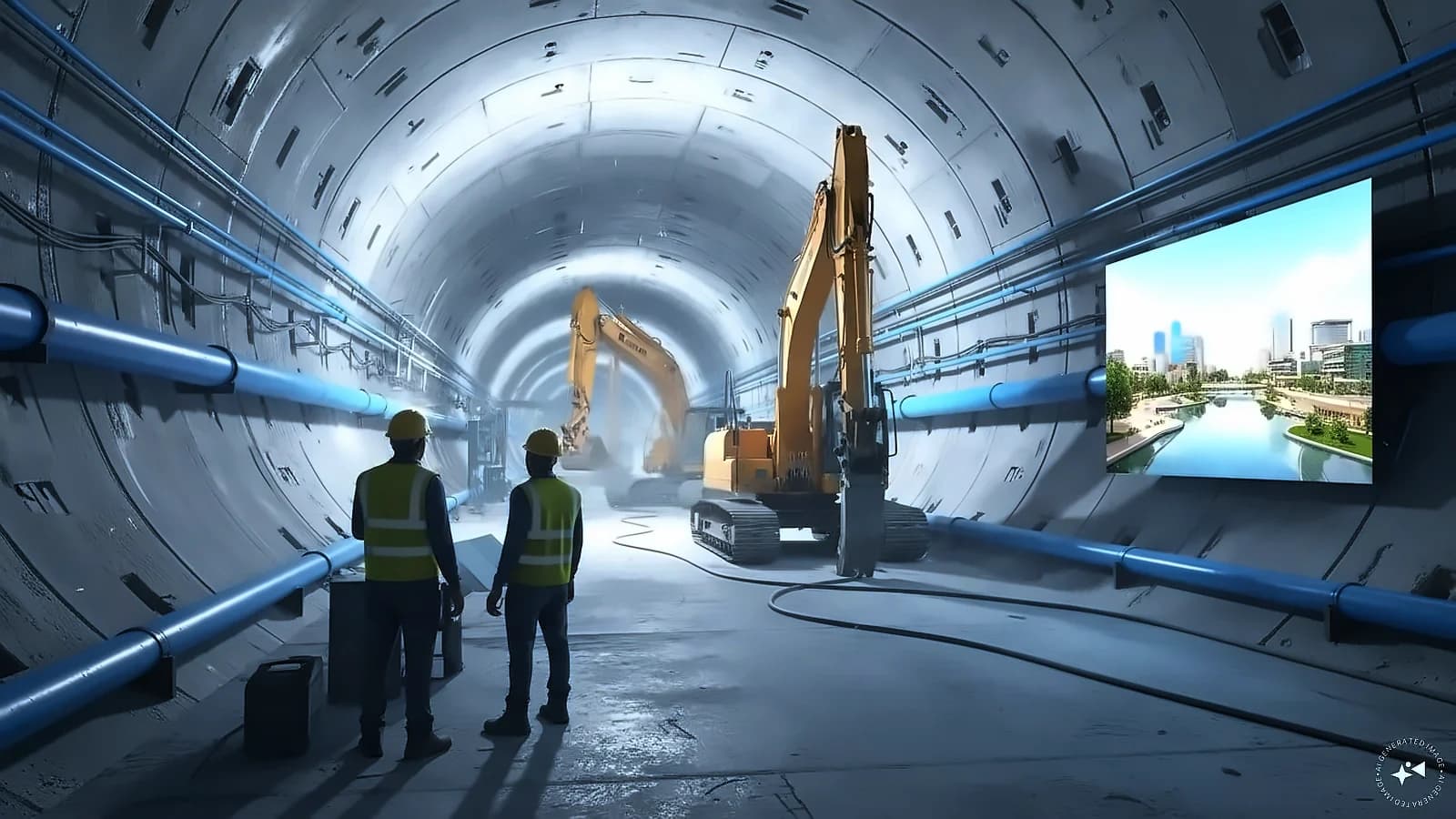
Mumbai-based Afcons Infrastructure has secured a Letter of Acceptance (LoA) from the Brihanmumbai Municipal Corporation (BMC) for a ₹1,918-crore desalinated water conveyance tunnel project, marking another major addition to its urban water infrastructure portfolio. According to latest exchange filings, the project involves the design and construction of a tunnel to transport desalinated water from the proposed pumping station at Manori to Charkop, extending further to Mahavir Nagar in Kandivali. The contract, valued at ₹1,918 crore, includes Goods and Services Tax (GST) as well as operations and maintenance (O&M), though the company did not disclose the execution timeline. As per the latest disclosure, the order was awarded on August 6, 2026, and represents approximately 62% of the company's average quarterly revenue of ₹3,080.53 crore. Executive Chairman Krishnamurthy Subramanian stated that the desalinated water conveyance tunnel represents an important step towards ensuring a sustainable water supply for Mumbai while showcasing the company's engineering and execution capabilities.
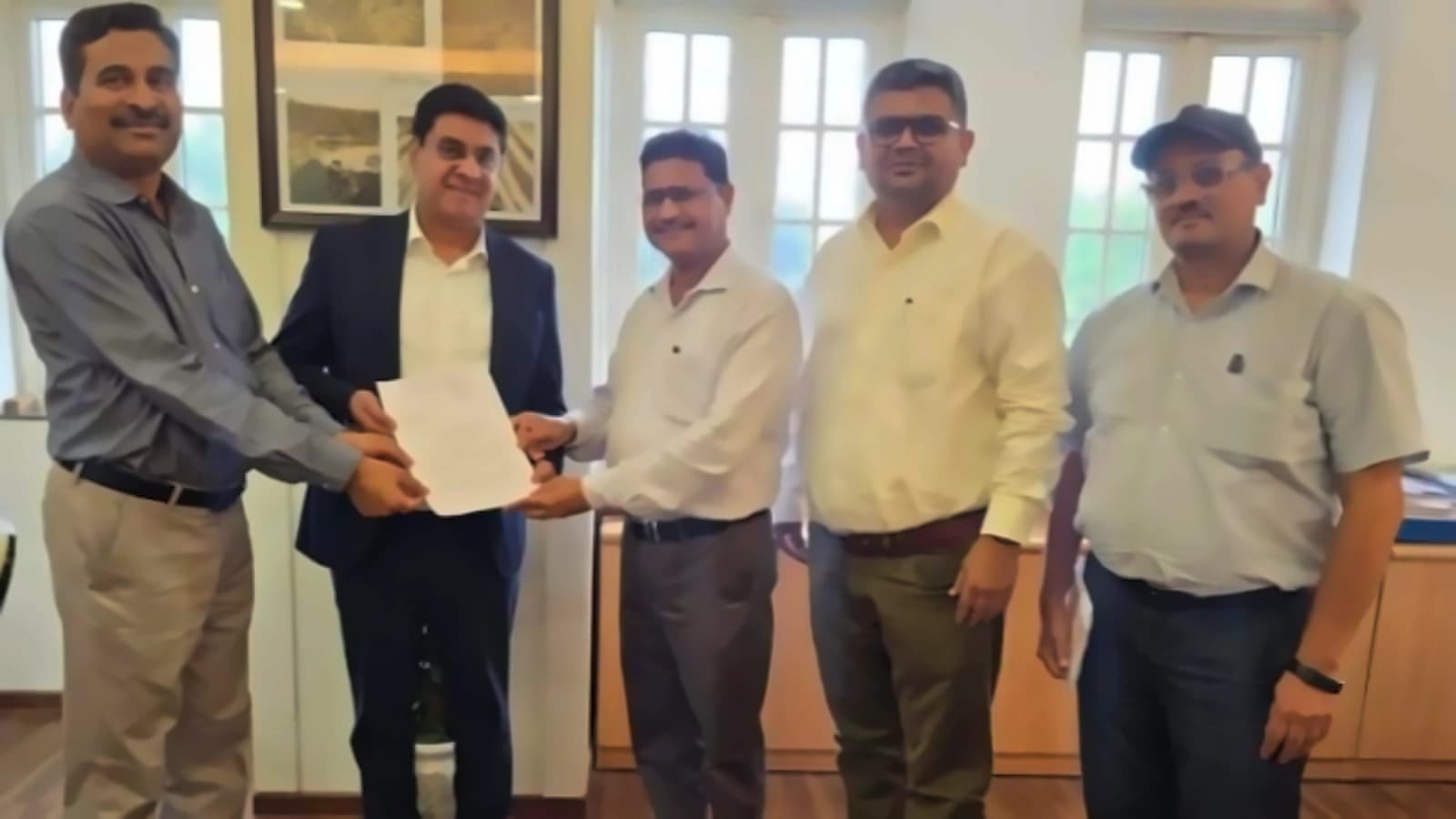
The project forms a key part of Mumbai's long-term strategy to diversify its water supply system. As reported by CNBC TV18, unlike the city's existing water system, which depends largely on reservoirs filled by the monsoon, desalination converts seawater into drinking water. Once the desalination plant becomes operational, the tunnel will transport treated water to different parts of the city. Managing Director S Paramasivan emphasized that the company is honoured to partner with BMC once again, stating that alongside the Kasheli–Mulund water conveyance tunnel, this complex desalinated water tunnel project will be executed on time while maintaining the highest standards. The tunnel is designed to transport desalinated water and improve water availability across Mumbai, strengthening the city's water security infrastructure.
The latest order significantly strengthens Afcons' financial position, with the ₹1,918-crore contract bringing the total disclosed order backlog to ₹11,348 crore. This provides backlog coverage of 3.68 quarters of average quarterly revenue, offering meaningful visibility into future earnings streams. The order, classified as Type A (Confirmed), is firm and executable with revenue recognition commencing upon mobilization and progress billing. The substantial order inflow of ₹11,348 crore in Q1FY27 alone demonstrates the company's capacity to secure large-scale civil infrastructure contracts, though smaller than the ultra-mega breakwater orders won earlier in the quarter. As of August 6, 2026, Afcons shares closed at ₹278.90 per share, reflecting a decline of 0.71% from the previous closing price.
Afcons has successfully delivered and is currently executing several hydro, water supply, and water tunnel projects across India and internationally. Some of these projects include BMC's 7.13 km underground water conveyance tunnel from Kasheli to Mulund, CIDCO's 8.7 km treated water tunnel in Navi Mumbai, Rural Water Supply Scheme in Uttar Pradesh, and Water Supply Project in Rajasthan. The company has also constructed Annaram Barrage in Telangana, part of the world's largest multi-stage irrigation project. Internationally, Afcons has delivered multiple water supply projects across Africa, including in Tanzania, Ivory Coast, Benin, and Rwanda, further strengthening its global footprint in sustainable infrastructure development.
Despite strong order inflows, Afcons faces financial headwinds with annual revenue declining 5.4% YoY to ₹12,322.10 crore in FY26 from ₹13,022.80 crore in FY25. The company reported a net loss of ₹88.60 crore in Q4FY26 and negative operating cashflow of ₹127.50 crore, indicating execution and margin pressures. While revenue remained stable above ₹2,700 crore per quarter, the disconnect between high order inflows and declining top-line growth suggests long lead times or delays in revenue recognition for recently awarded contracts. The balance sheet shows elevated leverage with a Total Liabilities/Equity ratio of 2.51x, requiring careful monitoring of working capital requirements for the new project.