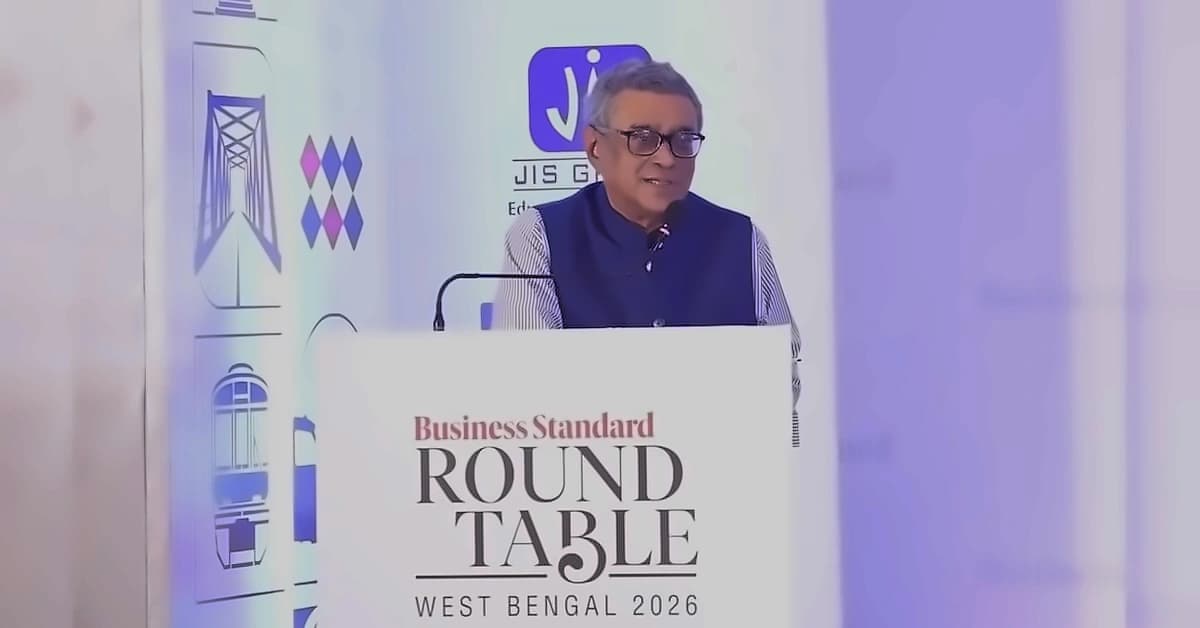
The West Bengal government announced a comprehensive ₹36,000 crore allocation for the Annapurna scheme providing ₹3,000 per month to women eligible under the scheme. Finance Minister Swapan Dasgupta also announced 1 lakh vacancies in government jobs to be filled, with 33% of these positions reserved for women. The budget emphasizes the government's mission to restore the state's glory and build Viksit Bengal as part of Viksit Bharat. Additionally, the government announced a 20% dearness allowance hike for state employees and raised MLA local area development funds from annual ₹70 lakh to ₹1 crore. According to The Hindu, the budget allocates ₹5,000 crore for reintroduced industrial incentives that were previously withdrawn by the previous government.
On healthcare, the Budget proposes increasing MBBS seats by 650 across 13 medical colleges in the state. Bengal will also get an AIIMS and a cancer hospital in north Bengal, with new medical colleges planned for Alipurduar and Paschim Bardhaman. For patients travelling out of state for treatment, the government announced low-cost stay arrangements for those heading to Mumbai and Vellore. These initiatives demonstrate the government's comprehensive approach to addressing healthcare infrastructure needs and improving medical accessibility across the state.
In a major push for renewable energy adoption, the government announced that West Bengal will implement the PM Surya Ghar: Muft Bijli Yojana, the Centre's flagship rooftop solar subsidy scheme. The state has set a target of 2 lakh rooftop solar installations, aimed at promoting solar energy adoption and helping village communities achieve energy self-reliance. To support this initiative, the government has allocated ₹100 crore for grid-connected rooftop solar PV power generation systems. Additionally, SC/ST families will get an additional subsidy of ₹5,000 on their power consumption as part of the scheme. The government will also work on an Open Access policy to encourage greater generation and consumption of solar power.
To unlock industrial potential and counter the state's high outstanding debt of over ₹8 lakh crore, the budget proposes to re-examine the Urban Land Act to simplify private investments exceeding ₹100 crore. The state will fast-track landmark infrastructure projects, including an integrated deep-sea port at Dadanpatrabarh in Purba Medinipur, a semiconductor unit in Durgapur, an IT park in Siliguri, new premier IIT and IIM institutions in North Bengal, and a new greenfield airport in Kalyani complemented by UDAAN scheme airports in Purulia, Balurghat, and Malda. These strategic infrastructure developments are designed to position West Bengal as a major industrial and commercial hub while addressing the state's fiscal challenges through increased economic activity and investment attraction.
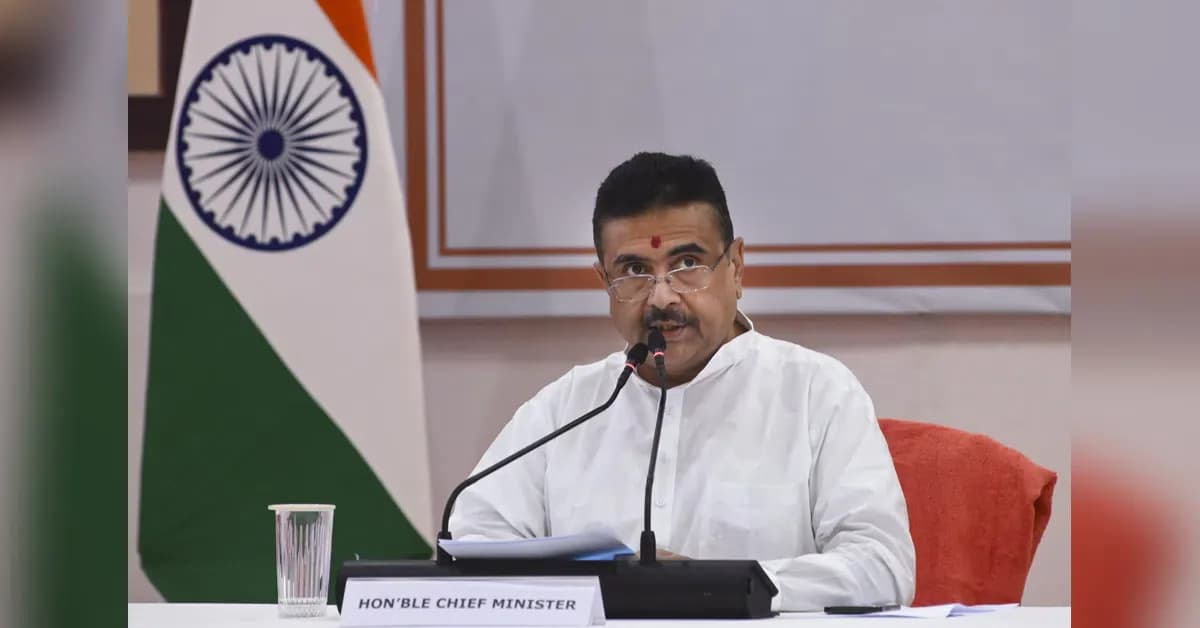
The budget allocates ₹900 crore for the Chingrighata-New Town elevated corridor and ₹1,200 crore for a new bridge over the Bhagirathi river. Additional funding includes ₹1,200 crore allocated to the Ghatal Master Plan, a flood management project for the Medinipur region, ₹100 crore for communication infrastructure in the Sunderbans, and ₹50 crore for riverbank protection and rehabilitation work in Jangipur. The government also announced a dedicated Bengal AI Mission to promote technology, innovation and digital growth. For governance improvements, the budget proposes the creation of five new districts in West Bengal, along with a dedicated Tea Workers Development Board and a new toll-free grievance redressal platform called 'Apnar Sarkar Apnar Pashe' with helpline number 82820.