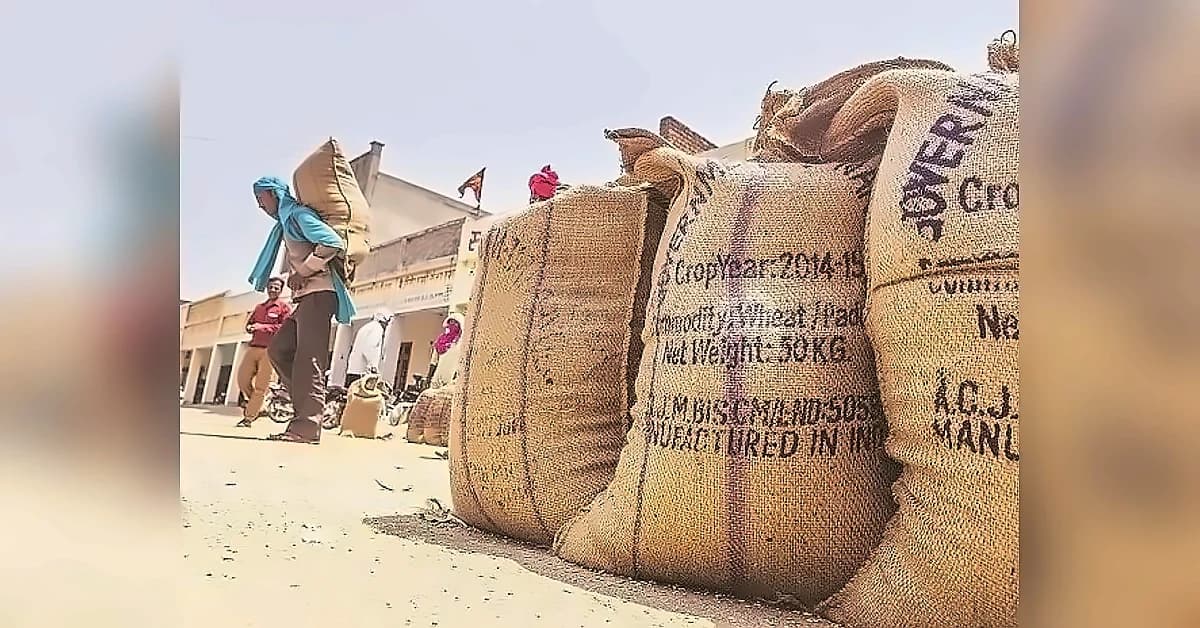
The rice industry in West Bengal, India's largest rice-producing state, has sought better infrastructure, faster approvals and stronger export promotion from the new BJP government to boost growth and investments in the sector. According to reports from PTI, Ricevilla Foods CEO Suraj Agarwal highlighted the need for improvement in infrastructure for rice mills and warehouses, particularly in rural areas where poor roads, drainage systems and delayed electricity connections continue to affect operations. "In many rural districts, electricity connections for new rice mills take months, causing delays, higher project costs and harassment. The industry expects faster services and proper infrastructure support from the government," Agarwal said. He emphasized that modern storage and logistics infrastructure has become increasingly important as India's annual rice production crossed 1,500 lakh tonnes and government rice stocks exceeded 590 lakh tonnes.

The industry has made specific demands for structural reforms to streamline operations. As per PTI reports, the sector is pushing for a single-window clearance mechanism for licenses and approvals to reduce delays and paperwork. Additionally, Ricevilla Foods CEO Suraj Agarwal said the industry was seeking the formation of a dedicated Rice Industry Development Board to facilitate coordination among farmers, mill owners, exporters and government agencies for the overall development of the industry. This board would help coordinate the various stakeholders and ensure better coordination in policy implementation.
The industry has gained momentum after India's rice exports rose nearly 19 per cent in 2025 to around 215 lakh tonnes following the easing of export restrictions, as reported by PTI. India is currently the world's largest rice exporter, accounting for nearly 40 per cent of global rice trade. Of the estimated 550 lakh tonnes of global rice trade annually, India exports over 200 lakh tonnes. West Bengal's premium rice varieties, such as Gobindo Bhog and Tulai Panji, both of which enjoy GI-tag recognition, have been witnessing rising demand in domestic and international markets. "Government support for branding and promotion of Bengal's premium rice varieties in national and international markets can significantly increase exports and strengthen the global identity of Bengal rice," Agarwal said.
West Bengal Rice Mills Owners Association chairman Sushil K Choudhury revealed that the condition of rice mills in the state was "not in good shape" due to large-scale free rice distribution under both central and state government schemes. According to PTI, about 3.5 crore beneficiaries receive rice under the state pool in addition to 6.5 crore beneficiaries under the central pool. Choudhury stated that this 3.5 crore state pool beneficiaries are above BPL category and do not deserve free rice, noting that if this is stopped, it will directly have a positive impact on rice mill owners in terms of viability. He emphasized that a large number of rice mills are already closed due to losses, highlighting the severe impact of the current distribution system on the industry's viability.
There are around 1,500 rice mills in West Bengal, of which nearly 550 are engaged in government procurement, while the remaining units are involved in private marketing and exports, as reported by PTI. Industry estimates suggest that despite West Bengal contributing nearly 150 lakh tonnes to India's total rice production, only a limited portion currently reaches export markets directly. Stakeholders believe focused branding and export promotion can help the state secure a larger share in India's over ₹90,000 crore rice export industry. The industry has also stressed the need for better rail and port connectivity to improve exports from eastern India, which would significantly enhance the state's export capabilities and market reach.